There’s a strategic reason groceries keep certain staples off the sale rack: retailers maintain price anchors to set expectations, promote other goods as loss leaders that benefit your basket, and protect items bound by supplier contracts and razor‑thin margins that would be dangerous to discount; as a shopper you see discounts where retailers can drive traffic while your everyday vitals remain fixed despite inflation or competition.
Key Takeaways:
- Loss leaders: Retailers heavily discount a few items to drive traffic and increase basket size, then avoid promoting other staples so those losses can be recovered on higher‑margin goods.
- Price anchoring: Certain staples are kept at steady prices to serve as reference points, making promotions on adjacent products or private‑label alternatives look like better deals.
- Fixed‑price staples resist sale because thin margins, supplier contracts (MAP or negotiated pricing), perishability/shrink risk and forecasting/operational costs make promotions uneconomic, so prices stay stable despite inflation or competition.
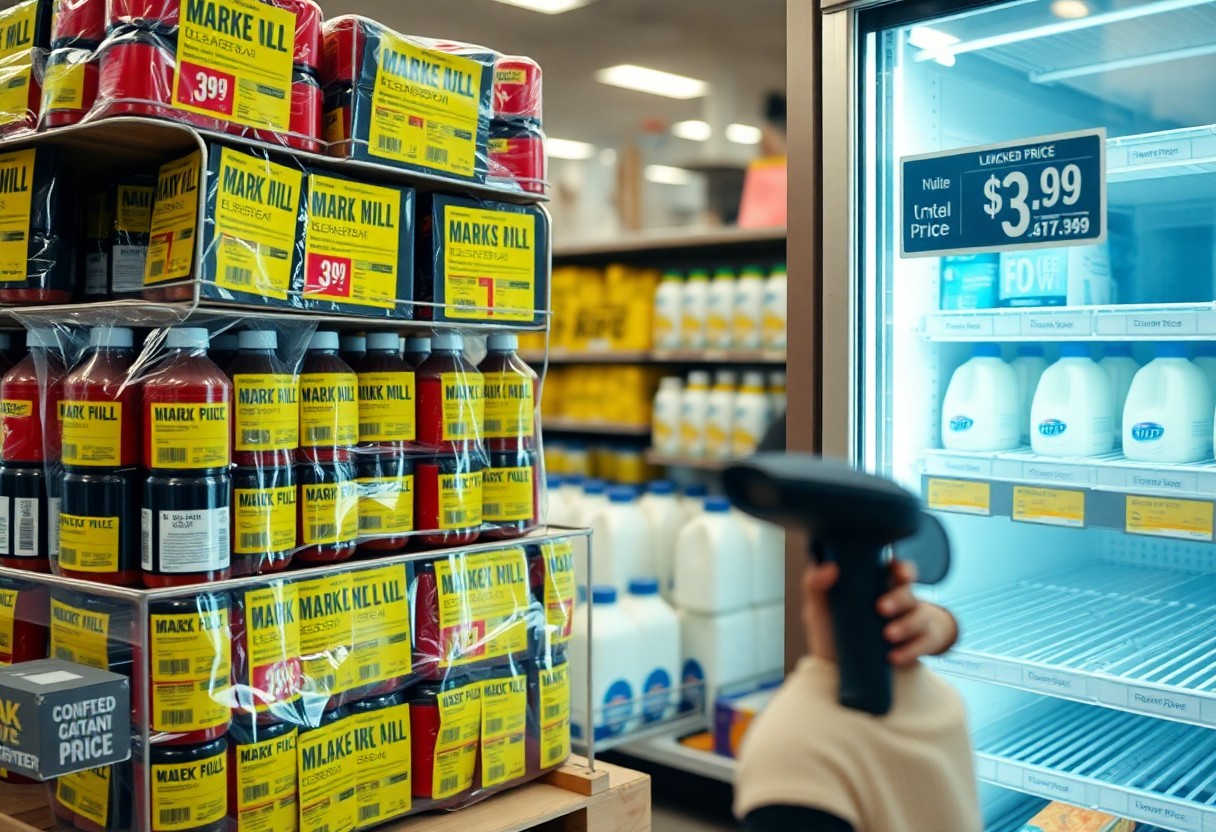
Loss leaders: retailer strategy
Retailers use loss leaders to pull you in and shift your shopping behavior: by pricing staples like milk, eggs, bread below cost-often 5-15% under wholesale-they sacrifice margin on those items to boost store traffic, increase average basket size, and anchor perceived value so you buy higher‑margin goods or private‑label substitutes during the same trip.
Why stores price some items below cost
You see below‑cost items because they drive foot traffic and data capture: chains accept short‑term losses to trigger repeat visits, increase cross‑sell rates (you typically add 2-4 extra items), and use loyalty apps to recover margins later through targeted promotions and private‑label conversions.
Typical loss‑leader categories and selection criteria
Perishables and high‑frequency staples dominate loss leaders-milk, bread, eggs, rotisserie chicken, sometimes diapers or fuel-chosen for heavy purchase cadence, low price elasticity, and strong cross‑sell potential; retailers also pick items with supplier promotional support or easy display placement.
For example, many chains price rotisserie chicken around $4.99 to drive deli traffic while expecting sales of sides and beverages to rise; you’ll also see bread or milk priced to anchor your perception of value, then nudged toward higher‑margin cereals, snacks, or store brands once you’re in the aisle.
Price anchoring and psychological pricing
You notice anchors when a shelf tag reads “Was $5.99 – Now $3.49“: retailers set those references to steer your choices, and you can see this play out in practice – Products go on sale at the grocery store all the time, but … – where loss leaders like milk or eggs create a baseline so other items look like better deals. Stores often accept negative margins on traffic drivers to boost overall basket value.
How anchors shape perceived value
You react to anchors instinctively: showing a $12 gourmet olive oil next to a $6 private label can make the latter feel like a steal, and studies suggest anchors can shift willingness to pay by roughly 20-30%. When you compare unit prices or see a premium SKU prominently displayed, your reference point resets, so you judge all nearby prices against that higher number and often spend more than planned.
Anchoring tactics retailers use (promotions, signposting)
You encounter several deliberate prompts: endcap displays with premium SKUs, bold “was/now” tags, “compare at” signs that show higher competitor prices, and multi-buy offers that present a per-unit anchor. These cues are engineered so your brain accepts the anchor as a fair baseline, making store brands and add-ons feel like smart choices even when margins are stacked against you.
You can spot tactics in detail: stores place high-priced anchor items at aisle entrances, use large-font former prices to emphasize savings, and show unit pricing to justify higher pack sizes. Club stores anchor bulk per-unit costs to make large packs seem economical, while staples stay stable due to supplier contracts and slotting deals so anchors remain reliable. Paying attention to unit price, “was/now” framing, and traffic drivers like $4.99 rotisserie chickens helps you see how anchors shape your decisions.
Cost structure and pricing rigidity
You operate in an industry where net margins hover around 1-3% and gross margins near 20-30%, so even small promotions bite into profits. You see retailers use loss leaders (rotisserie chicken at about $4.99, milk or eggs near cost) to drive trips, while other staples stay fixed because supply contracts, shrink, and logistics leave no room for discounts. That combination of traffic-driving tactics and razor-thin economics explains why some items never really go on sale.
Supplier contracts, commodity cycles, and hedging
Your suppliers sign fixed-price windows, volume commitments, and sometimes MAP rules, so you can’t freely cut prices. Commodities like corn, soy, and dairy swing with cycles and futures; suppliers commonly hedge 3-12 months out to lock input costs. When feed or diesel jumps 10-30%, that pressure passes through via contract re-pricing or chargebacks, making short-term promotional pricing untenable for many staples.
SKU economics: perishability, logistics, and minimum margins
You face perishability and shrink (often 1-3% overall, 5-10% in fresh produce), plus pallet minimums and freight that push per-unit cost up. Items that need rapid turnover or special handling often require a minimum gross margin (commonly 5-10%) just to cover handling and waste, so you can’t discount them like shelf-stable goods without taking a loss.
For example, bananas and salad mix rot faster than boxed cereal, so you must price to cover 5-10% spoilage, smaller order economics, and hourly labor for replenishment; private-label shelf-stable SKUs can absorb promotions because their unit costs and margins are higher, while national-brand milk or bakery items usually lack the same promo leeway, forcing you to keep prices stable to protect overall store profitability.
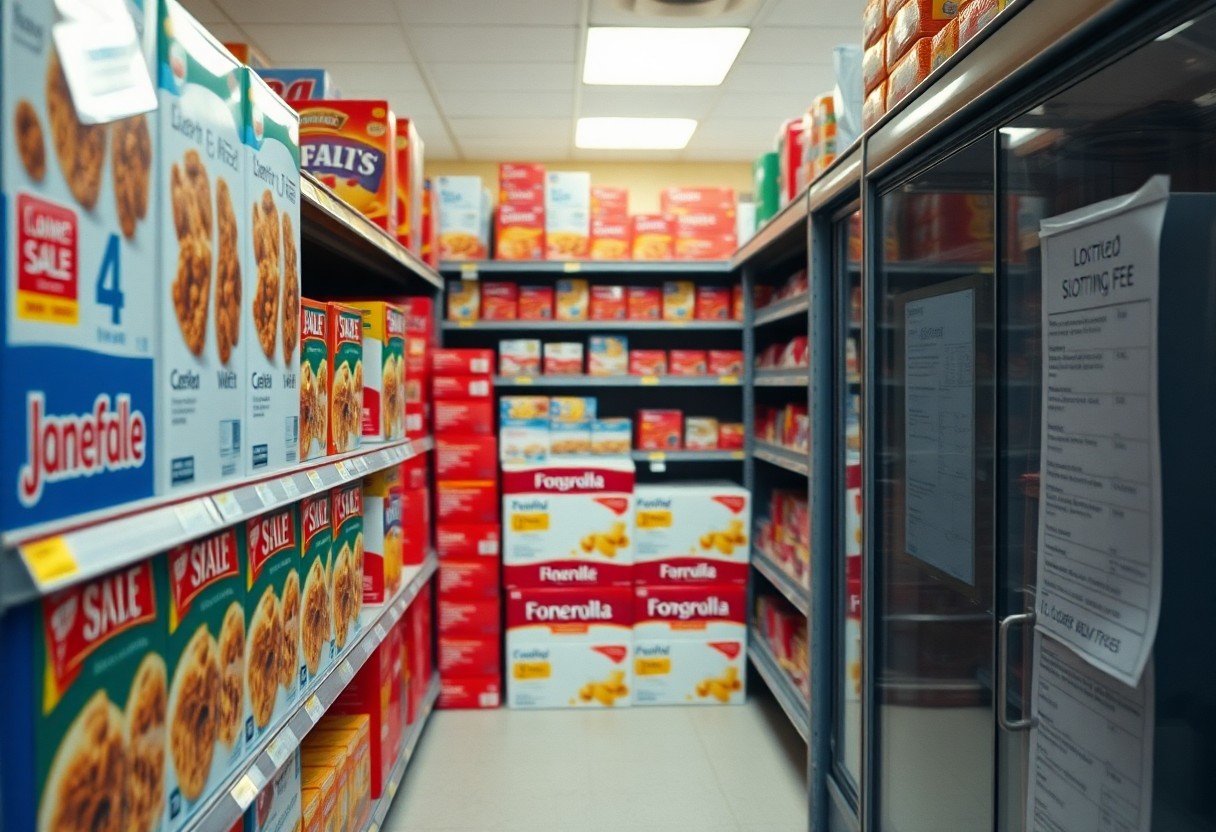
Retail economics: slotting, private label, and category management
Category managers thread supplier deals, loss leaders, and price anchors so your basket stays profitable: staples like milk or bread are often held at steady prices because they act as price anchors, while items such as bananas or a $4.99 rotisserie chicken are used as loss leaders to drive trips and deli or prepared‑food attach rates.
Slotting fees, negotiated prices, and supplier incentives
You face prices shaped by upfront slotting fees (commonly in the range of $10,000-$100,000+ for national launches), plus negotiated off‑invoice allowances, co‑op ad dollars and scan‑back rebates. Suppliers will fund promotions or accept price floors to keep staples off promo; in practice a manufacturer’s promotional contribution of a few percent of sales can determine whether your preferred SKU appears in the weekly ad or stays full price.
Private‑label flexibility and cross‑subsidization
You see private labels used to protect margins and maneuver pricing: with private‑label share often around 15-20% in many U.S. categories-and far higher at chains like Aldi and Trader Joe’s-retailers can reprice those SKUs quickly, capture extra margin, and cross‑subsidize national‑brand discounts so your basket average remains profitable.
Digging deeper, private‑label agility means you can spot rapid pack‑size cuts, temporary price reductions, or premium store brands rolled out in weeks rather than months; retailers typically lift category margin by several percentage points this way. That flexibility lets them keep everyday staples stable as anchors while channeling supplier funding into selective promos that drive store traffic without eroding your overall spend.
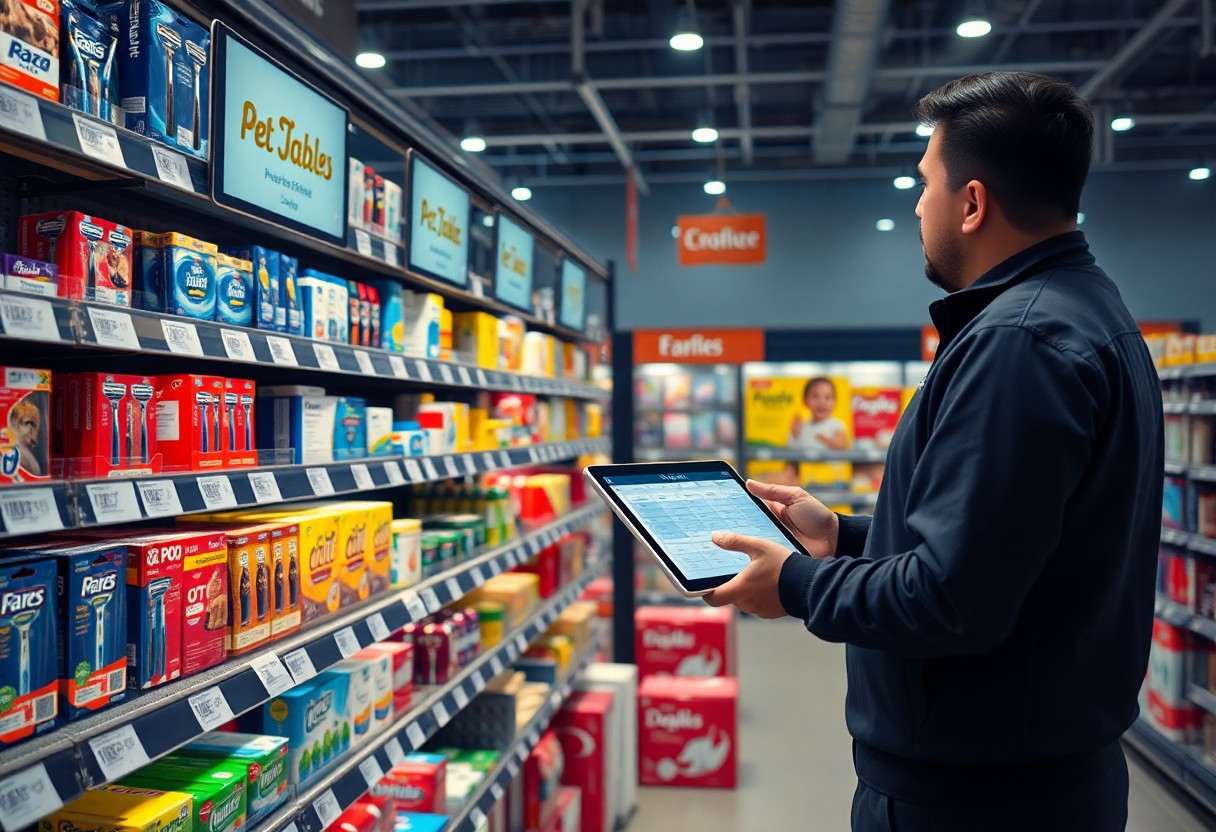
Promotional mechanics and data-driven targeting
Algorithms and margin math decide which items you’ll see on sale: retailers use loss leaders discounted typically 10-30% to drive trips while keeping other staples at fixed prices to protect margins and price anchoring. You’ll notice flash sellouts when targeting models throttle promotions to protect inventory – see this discussion: Why do companies run out of stock on special deals?
Loyalty programs, targeted discounts, and inventory algorithms
When you use a loyalty app, retailers segment you into cohorts and send targeted digital coupons that lift basket size without broad price cuts; often only 10-30% of SKUs get personalized promo tags. Inventory algorithms then suppress promotions on perishable staples to avoid waste, so your favorite brand may never drop in price the same way a promotional SKU does.
Timing of ads, promo windows, and legal/contractual limits
Weekly ad cycles, manufacturer co-op schedules, and slotting agreements shape when you see deals: many chains plan promos on 1-2 week windows to coordinate supply, advertising, and manufacturer reimbursements. You’ll encounter short doorbusters (48-72 hours) but not deep discounts on anchor staples because contracts often limit discount depth and frequency.
Digging deeper, you should know national chains typically build promo calendars 8-12 weeks ahead to secure ad space and co-op funding; manufacturers then approve cadence and depth to protect brand equity. This coordination means you’ll get heavy discounts on planned loss leaders but consistent prices on key staples, since changing those requires renegotiating contracts and disrupting the anchor prices that shape customer expectations.
What shoppers can do
You should focus on spotting loss leaders-rotisserie chickens, milk, diapers-used to draw you in, and on how retailers deploy price‑anchoring with premium SKUs to make private labels seem like bargains. Compare unit prices, plan bulk buys when discounts exceed spoilage risk, and switch to store brands for staples often held at fixed margins. Using these habits, plus targeted loyalty offers, typically cuts your grocery spending by 5-15% annually without changing your diet.
Reading unit prices and identifying true deals
You can evaluate deals by dividing price by ounces, pounds, or count: $4.29/20 oz = $0.215/oz versus $3.99/18 oz = $0.222/oz, so the larger box is cheaper. Watch for multi‑pack and “2‑for” displays that create illusory savings, and use unit price tags to bypass marketing. Also compare the advertised brand next to a private label-retailers use the higher price as an anchor to make the house brand look like a win.
Practical tactics: switching, stock‑up rules, and loyalty use
You should switch to private labels when they’re 10-40% cheaper and rotate brands when sales hit. Apply a stock‑up rule: bulk purchase only when the discount exceeds your carrying cost and spoilage risk->20-25% for shelf‑stable items, >15% for frozen. Use store loyalty apps to stack digital coupons and targeted deals; combined tactics can yield 20-30% annual savings on frequently bought categories.
Track retailer cycles: loss leaders like rotisserie chicken often appear midweek and promotional premium SKUs are used to anchor prices, while staples such as milk and eggs frequently stay at fixed margins despite inflation. Combine manufacturer coupons with store promos for diapers or formula, but follow stacking rules to avoid denied discounts. When items are out of stock, request a rain check or price‑match to lock in advertised prices.
Final Words
Summing up, you should understand that retailers employ loss leaders and price-anchoring products to attract your traffic and shape perceived value, so core staples often carry fixed prices: keeping them steady protects margins, reduces pricing complexity, signals consistency, and prevents destructive price wars even when inflation or competition pressure costs.
FAQ
Q: Why are some grocery items never on sale?
A: Some items act as price anchors-stable reference prices that make promoted items look like better deals-so retailers keep them steady. Others have razor-thin margins, high handling costs, or strict manufacturer rules (MAP or promotional allowances) that limit discounting. Perishability and logistics matter too: items with short shelf life or complex cold‑chain costs can’t be repeatedly discounted without waste. Finally, long‑term supply contracts or slotting agreements with suppliers can legally or economically prevent frequent sales.
Q: What role do loss leaders play, and why aren’t all staples used as loss leaders?
A: Loss leaders are selected strategically to drive store traffic and boost overall basket size-typically inexpensive, high‑turn items that bring shoppers in. Not all staples work as loss leaders because some already have tiny margins, unpredictable cross‑buy behavior, or supplier restrictions that make sustained or frequent losses unprofitable. Retailers balance which items to discount by analyzing whether a lower price will reliably generate additional profitable purchases versus simply cutting into margin or increasing spoilage.
Q: How can staple prices stay relatively fixed despite inflation or intense competition?
A: Several mechanisms keep staple prices stable: multi‑period supplier contracts and negotiated rebates smooth out input cost changes; manufacturers may enforce minimum advertised prices; retailers manage prices to avoid damaging price wars and to preserve perceived value. Operational frictions-pricing system complexity, frequent re‑tagging costs, and supply‑chain timing-also slow price changes. When costs rise, retailers often use alternatives to overtly raising shelf prices, such as smaller package sizes (shrinkflation), changing brands, or pushing private‑label options rather than moving the listed price of a familiar staple.