With an eye on safety, quality and inventory, stores use microbiology, manufacturer stability testing and local laws to assign sell-by, best-before and use-by dates so you can shop safely and efficiently. Use-by dates are the most dangerous: they signal potential food-safety risk and should be followed, while best-before dates usually reflect quality, not safety, so many items remain usable. Because labels and regulations vary, misinterpretation drives massive food waste-a business decision that affects your wallet and the environment.
Key Takeaways:
- Shelf‑life is set by science: manufacturers run microbial, chemical and sensory tests plus consider packaging and storage temperature to estimate when quality or safety declines-“sell‑by” guides retailers, “best‑before” signals peak quality, and “use‑by” marks when safety risks rise for perishable items.
- Regulations and label meanings vary by country and product; many dates are manufacturer‑determined while some items legally require a safety‑based use‑by date, and retailers set stock rotation, markdown and disposal rules that reflect liability, quality standards and supply‑chain logistics.
- Label confusion and conservative retailer practices drive large waste: globally about one‑third of food produced is lost or wasted, with a substantial share occurring at retail and consumer stages-harmonized labeling, clearer messaging, dynamic pricing and donation/redistribution can meaningfully reduce that waste.
What the date labels mean
Dates are usually manufacturer guidance, not federal safety cutoffs-except for infant formula-so you often toss edible food. The USDA estimates households discard about 30-40% of the food supply, much due to label confusion. Manufacturers set dates from lab shelf‑life tests and safety margins; retailers then use them to rotate stock. For clear consumer guidance on interpreting labels and spotting true spoilage, see Understanding Expiration Dates: How Do I Know When My ….
Sell‑by, best‑before, use‑by: definitions and legal meanings
Sell‑by directs the retailer when to rotate inventory-you’ll see it on perishables like milk and deli that often have a sell‑by window of 5-10 days; best‑before signals peak quality and not safety, used for crackers, cereal, canned goods. Use‑by is the manufacturer’s last recommended date for quality or safety on truly perishable items; in some countries it’s treated as a safety label. You should know most U.S. date labels are voluntary except specific regulated items.
Distinguishing safety labels from quality labels
Safety labels-often labeled “use‑by” or “expires on”-relate to pathogen risk, so you must heed them for high‑risk foods like baby formula, smoked fish, and ready‑to‑eat deli meats; quality labels-“best‑before” or “best if used by”-refer to texture or flavor and you can often consume the product if storage was proper. Watch for bulging cans, off‑odors, slime, or temperature abuse; those are real safety signals, not label wording.
Manufacturers determine labels using microbial growth models, challenge tests and sensory panels, then add a safety margin before assigning a date; you’ll see that translated into retail policy-stores might remove deli items at sell‑by + 1-3 days, while milk can remain good 5-7 days after sell‑by if kept continuously at or below 40°F (4°C). Keep perishables out of the 2‑hour room‑temperature danger zone and freeze at 0°F (−18°C) to halt spoilage; those practices matter more than the printed date for many products.
The science behind shelf life
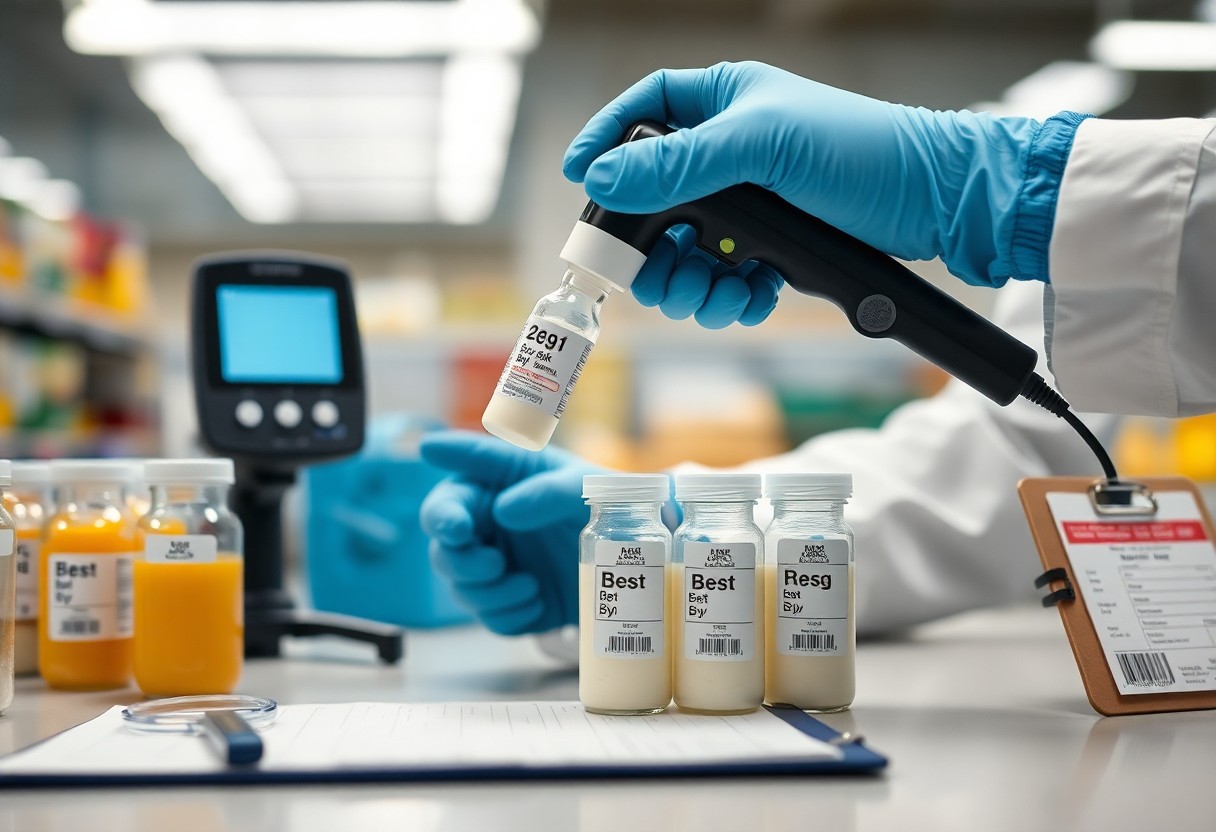
You’ll find shelf life set by microbial growth, chemical reactions, and sensory decline, overlaid with regulation and retailer risk tolerance. Retailers often add conservative buffers; confusing labels drive waste-FAO estimates ~1.3 billion tonnes of food lost annually and WRAP found about 20% of UK household food waste linked to date‑label misunderstanding. Manufacturers balance safety (use‑by limits), cost, and brand trust when selecting label intervals and the testing needed to justify them.
Microbial growth, chemistry, and sensory deterioration
You’ll notice spoilage follows measurable thresholds: spoilage bacteria like Pseudomonas cause off‑odors near ~10^7 CFU/g, while pathogens such as Listeria are regulated to ≤100 CFU/g in many markets for ready‑to‑eat foods. Proteolysis, lipid oxidation, and Maillard products change texture and flavor as temperature and time increase, so your shelf life must reflect both safety limits and the point at which consumers reject the product.
Shelf‑life testing: challenge tests, accelerated aging, predictive models
You’ll combine methods: challenge tests deliberately inoculate products to show safety over the label period, accelerated aging raises storage temperature (commonly +10°C using a Q10≈2 assumption) to speed chemical and microbial changes, and predictive tools like ComBase or the USDA Pathogen Modeling Program simulate growth under specific conditions so you can set evidence‑based dates rather than conservative guesses.
You should run challenge studies across 3-5 production batches with triplicate samples and multiple time points (weekly or biweekly), pair microbial counts with sensory panels, and validate accelerated results against real storage. Accelerated trials can compress a 60‑day real‑time trial into 10-20 days, but regulators expect at least some real‑time or validated data; combining challenge tests and predictive models often lets you safely shorten labels and cut unnecessary waste.
Packaging, temperature and supply‑chain factors
Packaging & Supply‑Chain Effects
| Factor | Impact / How it changes date decisions |
|---|---|
| Barrier films & scavengers | Reduce O2 and moisture ingress, often extending shelf life by 2-7 days for chilled products; used to justify longer best‑before dates. |
| MAP / vacuum | Different gas mixes (e.g., low O2 for produce, high O2 for red meat) alter spoilage pathways and microbial risk profiles retailers use to set use‑by windows. |
| Cold chain integrity | Temperature excursions accelerate microbial growth (Q10≈2); a 3°C rise can cut shelf life by 30-50%, prompting stricter sell‑by margins. |
| Logistics & handling | Transit delays, returns, and shelf rotation shorten practical display life; you’ll see retailers shorten dates to protect safety and minimize waste. |
- packaging
- temperature
- supply chain
Barrier materials, MAP, MAP, and packaging innovations
You’ll find high‑barrier layers like EVOH or PVdC and oxygen scavengers in many chilled products; they can cut OTR to ~0.1 cc/m²/day and extend shelf life by days. MAP mixes vary-low O2 (1-3%) with CO2 (2-7%) for fresh‑cut produce, high O2 (70-80%) for red meat-so you can expect different date rules on seemingly similar items.
Cold chain, handling, and logistics effects on longevity
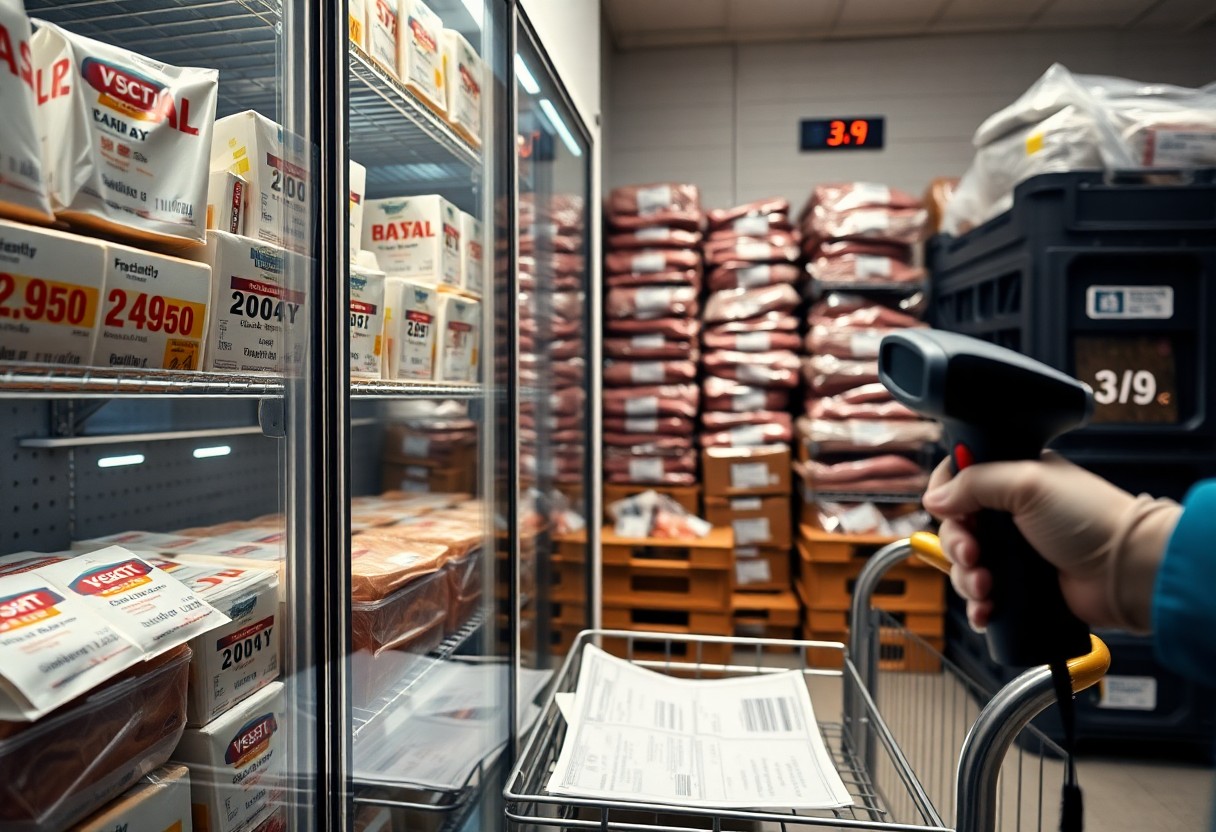
Your product’s assigned sell‑by or use‑by assumes storage at 0-4°C; because microbial growth roughly doubles with each 10°C rise (Q10≈2), even small temperature abuses matter. For example, chilled poultry shelf life can fall from ~10-14 days at 0-2°C to 4-7 days at 5°C, forcing tighter dating and faster turnover.
Industry audits commonly report that about 10-20% of refrigerated shipments experience excursions >3°C, and those events typically shave off several display days. You’ll see retailers using temperature loggers, time‑temperature indicators and IoT traceability to justify dynamic dating-shifting sell‑by forward or back based on verified history. Combining verified cold‑chain data with MAP and barrier performance lets you push safe shelf life longer while reducing unnecessary waste. This makes you and your retailer adjust sell‑by dates and drives an estimated 30-40% of food waste across the supply chain.
Regulations and industry standards
You’ll encounter a patchwork of rules: only infant formula is federally date‑regulated in the U.S., while most other dates are decided by manufacturers and retailers, who often set conservative windows to avoid liability; see consumer debate on How does expired food get sold? Use‑by flags safety risks and best‑before marks quality, but retail practice often blurs the line, increasing waste.
Government rules, voluntary standards, and liability issues
Regulators sometimes define terms-for example the EU separates ‘use‑by’ (safety) from ‘best‑before’ (quality)-yet many markets rely on voluntary standards and manufacturer testing; insurers and product‑liability concerns push retailers toward shorter, conservative dates, so legal risk often drives decisions more than spoilage science.
International differences and retailer compliance practices
If you shop internationally you’ll notice divergence: the EU is more prescriptive, France’s 2016 law obliges supermarkets to donate unsold food, and the U.S. leaves labels largely to industry choice. Some chains extend shelf life through repackaging, markdowns, or donation programs, but those approaches demand robust traceability and clear internal standards.
Supply‑chain realities explain much of the variation: cold‑chain reliability, local pathogen prevalence, and consumer expectations shape how long retailers claim products are safe. In colder countries you often see longer shelf windows; where donation incentives exist, more unsold stock is diverted. Estimates suggest up to 40% of food produced is wasted globally, so aligning definitions, incentivizing markdowns or donations, and improving traceability are practical levers you can watch for when assessing a retailer’s compliance practices.
Retailer decision‑making and business choices
You balance regulatory dates, customer trust, and profit when deciding what stays on shelves. Retailers factor in FDA/USDA guidance but frequently tighten thresholds to limit liability and complaints; as a result, about 30-40% of the food supply is wasted across the chain, with retailers contributing a substantial share through conservative disposal and markdown practices that prioritize safety and brand image over maximizing sell‑through.
Inventory management, pricing, and markdown strategies
You use FIFO, demand forecasts, and temperature‑control data to prioritize items with shortest remaining shelf life. Stores commonly apply staged markdowns-typically 20-50% off as items near shelf‑life end-and employ dynamic pricing or targeted promotions to hit sell‑through targets (many chains aim for >80-90% sell‑through on perishables). Perishables like leafy greens often get marked down within 24 hours of best‑before to accelerate sales.
Risk tolerance, brand protection, and supplier contracts
You often set internal cutoffs that are stricter than legal dates to avoid illness reports and protect your brand; for example, ready‑to‑eat sushi and deli salads are frequently removed at day’s end regardless of printed dates. Contracts then shift financial burden: suppliers face chargebacks, returns, and shrink allowances if product fails to meet your standards, incentivizing shorter-lived SKUs and tighter QC upstream.
You should quantify these risks because they hit the bottom line: many retailers report tens of millions in annual perishables write‑offs, and suppliers absorb a portion via promotional funding or credits. In practice, you’ll negotiate terms-minimum shelf life on delivery, return windows, and liability clauses-and use audit data to enforce them; stricter clauses reduce customer complaints but often increase upstream waste and cost, creating a cycle that favors conservative disposal over nuanced reuse or donation programs.
Food waste, recovery and consumer guidance
Retailers juggle safety, quality and profit while you face confusing dates at home: globally about one-third of food is lost or wasted and in the U.S. roughly 30-40% of the food supply goes unused. Chains use markdowns, donations, anaerobic digestion and repackaging to recover value, and you benefit when stores clearly separate use-by (safety) from quality dates and offer discounted near‑date items.
Labeling’s role in waste: scale, causes, and data
Manufacturers set dates from shelf‑life testing (temperature, microbial growth) while regulators allow variable label terms, so you often get quality-not safety-signals. Some estimates (NRDC) attribute about 20% of consumer‑level waste to label confusion. Treat use-by as a safety threshold for highly perishable items, and rely on smell, texture and storage history for others.
Donation, diversion, repackaging, and clear advice for shoppers
Donation and diversion cut retailer waste and feed communities, and you see this in discounted “reduced to clear” aisles. The Bill Emerson Good Samaritan Food Donation Act limits donor liability and federal tax incentives encourage food‑inventory donations, so many stores prefer to donate or redirect near‑date products rather than landfill them; donations often save edible food that would otherwise be thrown away.
Retailers also deploy composting, anaerobic digestion, animal feed and repackaging into bargain packs or meal kits; you benefit from “imperfect” produce lines and frozen markdowns. When you salvage near‑date perishables, prioritize cold storage and safe reheating-heat leftovers to 165°F (74°C)-and use sensory checks over the printed date to reduce both waste and foodborne risk.

Summing up
With this in mind you should understand that date labels reflect a mix of microbiology, food‑safety regulation, and retailers’ business choices: scientists estimate spoilage timelines, regulators standardize certain “use‑by” dates for safety, and stores add conservative sell‑by or best‑before marks to manage liability and inventory. Those overlapping, inconsistent systems make you discard large amounts of still‑safe food, driving substantial waste-so interpreting labels alongside your storage and sensory checks can reduce unnecessary disposal.
FAQ
Q: What is the difference between sell‑by, best‑before (best‑by), and use‑by dates, and how do grocery stores treat each when deciding whether to remove a product?
A: Sell‑by dates are primarily a retail tool telling staff how long a product should remain on store shelves for optimal rotation and ordering; they are not safety thresholds. Best‑before or best‑by dates indicate the period during which the manufacturer guarantees peak quality (flavor, texture, appearance); many products remain safe to eat after that date though quality may decline. Use‑by dates are used for highly perishable items (e.g., ready‑to‑eat deli meat, some prepared foods) and are set where safety and spoilage risk rise sharply; retailers usually treat use‑by as a safety cutoff and remove products on or shortly after that date. Stores combine these labels with internal policies, local laws, and supplier guidance: items with sell‑by approaching are often discounted or moved to promotion to sell through, best‑before items may be discounted but kept until quality is unacceptable, and use‑by items are typically pulled to avoid safety and liability risks.
Q: How do manufacturers and grocers determine the dates printed on packages – what science and testing underpin those decisions?
A: Dating is driven by shelf‑life science and validation testing. Manufacturers use real‑time shelf‑life trials (storing product under expected retail conditions and sampling over time) and accelerated stability tests (elevated temperature/humidity to model aging) to track microbial growth, chemical changes (oxidation, enzymatic reactions), and sensory decline. For high‑risk products they perform microbial challenge tests to measure pathogen growth under worst‑case conditions. Packaging, preservatives, moisture/activity, pH, and supply‑chain temperature control all factor into the final recommended date. Retailers often add safety buffers based on their own cold‑chain data, store temperature logs, and expected time on shelf. In many countries manufacturers set dates, but retailers may impose shorter internal cutoffs, require documentation in supplier contracts, or run their own testing and spot checks to align dates with their inventory turnover and food‑safety protocols.
Q: Why do grocery stores discard so much food around date labels, and what operational or policy changes can reduce waste without raising safety risk?
A: Large volumes of waste come from conservative removal policies, consumer confusion about date meanings, unpredictable demand, cosmetic standards, and supply‑chain variability (temperature excursions shorten actual shelf life). Liability concerns and inconsistent regulations push stores to err on the side of disposal. Strategies that many grocers use to reduce waste while managing safety risk include: clearer segmentation of label types (promoting “best‑before = quality” vs “use‑by = safety”), dynamic pricing and automated markdowns for near‑date items, donating safe near‑date food to charities (supported by Good Samaritan laws and tax incentives in some jurisdictions), creating secondary processing channels (prepared meals from surplus produce), negotiating shelf‑life and packing/temperature requirements with suppliers, deploying time‑and‑temperature sensors or time‑temperature indicators in cold chains, improving demand forecasting with data analytics, and running consumer education campaigns. Regulatory reforms that standardize label meanings and permit safe donation or resale of near‑date food can also cut waste. Together, these measures allow stores to balance food safety, legal exposure, and commercial incentives so fewer edible products are thrown away purely because of a printed date.