Over the years you’ve seen favorites vanish because retailers make delisting decisions driven by space and profit, suppliers face failures and safety risks that halt production, and thinning margins shrink your options; when nostalgic brands fold, it’s rare you’ll see them return, though that gap can create opportunities for new or improved products that benefit consumers.
Key Takeaways:
- Retail delisting is driven by shelf-space optimization and sales velocity-low-turn or low-margin items are removed to make room for faster sellers, creating high barriers for a comeback.
- Supplier failures, plant closures, ingredient shortages, or brand buyouts can permanently sever the production chain; when manufacturing capacity or proprietary formulations are lost, restarting is costly or impossible.
- Rising input costs, tighter margins, regulatory changes and fragmented consumer demand make nostalgic relaunches economically unviable for many companies, so sentimental products rarely return at scale.
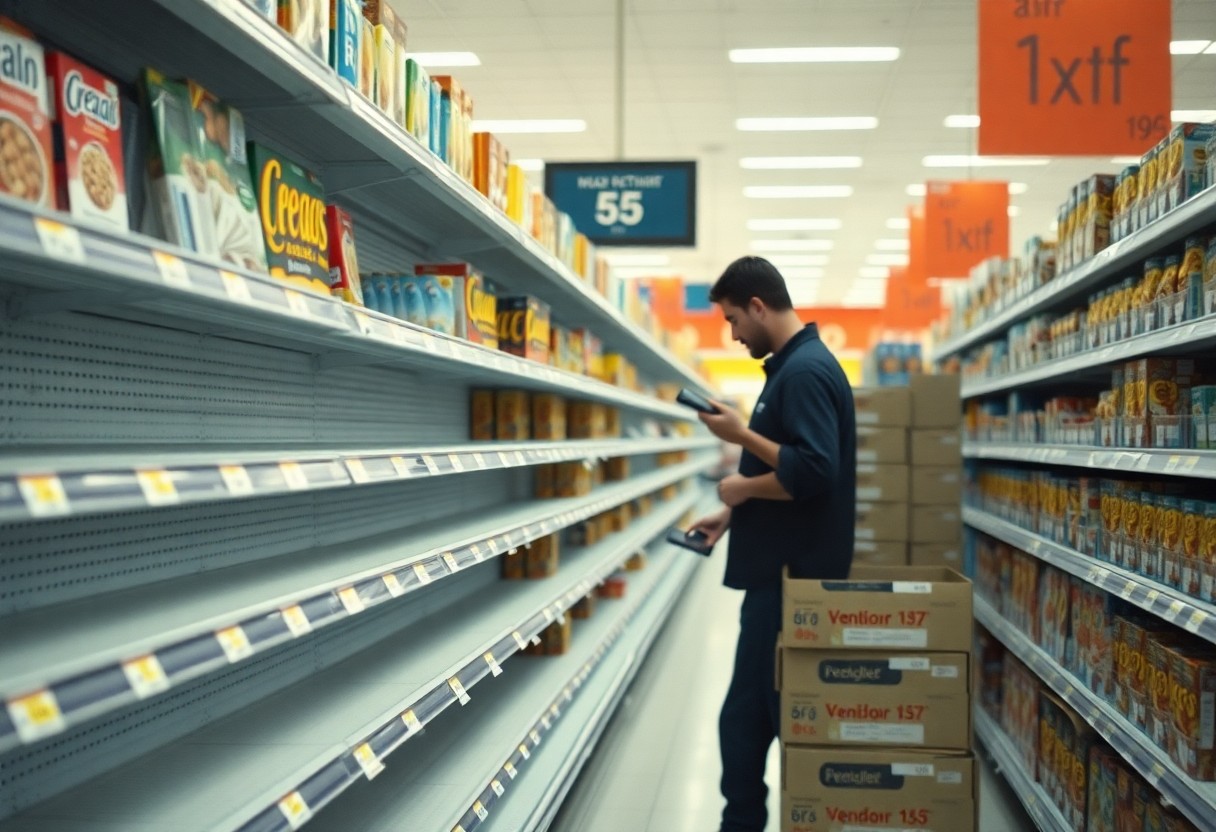
Changing consumer demand and product relevance
Shifting tastes, demographics and long-term declines
As you track shelf changes, you’ll see retailers delist items when volumes slide-often after double-digit declines in weekly turns or rising spoilage costs make margins untenable. Supplier failures accelerate that: the Hostess bankruptcy in 2012 abruptly removed iconic SKUs regardless of nostalgia. Demographic shifts matter too; aging or shrinking buyer cohorts can turn a once-reliable product into a low-turn SKU that your category manager will drop to free up space for faster-moving goods.
Fads, nostalgia and seasonal or limited‑time appeal
You notice fads like limited-run reissues and seasonal items (think McRib or occasional Crystal Pepsi re-releases) create short-term traffic and social buzz, but they rarely sustain weekly velocity. Retailers often treat these as promotional wins, not permanent assortments, and you’ll see them delisted once baseline demand falls below the thresholds needed to justify permanent shelf space.
More detail: bringing back a nostalgic product forces you to weigh manufacturing and supply costs-retooling lines, minimum order quantities and licensing can erode margins, so even strong initial sales may not persuade suppliers to reinstate continuous production. In practice, that means nostalgic items often return only as limited runs; you’ll get spikes, not a long-term SKU revival.
Supply, manufacturing and ingredient constraints
Supplier exits, plant closures and capacity limitations
When a supplier exits or a plant shuts you face immediate scarcity and distribution headaches: bankruptcies, asset sales or capacity reallocation force manufacturers to prioritize big customers and leave low-velocity SKUs stranded. You watch margins compress as production shifts to higher-margin lines, and retailers routinely delist items that can’t meet minimum case-fill or turnover targets. The 2012 Hostess collapse briefly erased Twinkies nationwide, showing how a single supplier event can make products vanish from shelves.
Ingredient shortages, specialty formulations and complexity
Ingredients like vanilla, cocoa and specialty enzymes can tighten quickly, and you feel it through reformulation costs and price spikes; ingredient shortages often force brands to drop niche SKUs or raise prices beyond what shoppers will accept. Single-origin sourcing and certification requirements mean substitutes aren’t simple, so weather, geopolitics or a supplier exit can render a nostalgic formulation economically unsustainable-prices can surge by hundreds of percent in extreme cases.
Manufacturers contend with long lead times-often 6-12 months-and certification hurdles (RSPO, organic) that impose minimum orders and audit delays, so switching suppliers is neither fast nor cheap. You see companies retire complex SKUs when reformulation risks alienating loyal buyers or when raw-cost shocks force allocation; as a result, many nostalgic items are quietly retired because restoring the original formulation would erode margins or violate sourcing constraints.
Economics: costs, pricing and SKU profitability
When delisting hits, it’s rarely sentimental-it’s math: you watch margins erode as input, packaging and freight costs climb and slow-moving SKUs stop justifying space; for concrete examples see 11 Foods Disappearing From Grocery Store Shelves. Retailers pull items when profit per unit no longer covers overhead, and suppliers that can’t scale after a failure rarely get the capital or retailer patience to return your favorite line.
Rising input costs, freight and thin-margin SKUs
When ingredient, packaging and freight costs rose double digits-commonly 10-30% since 2020-you find limited pricing power because competitors and price-sensitive shoppers push back. If your SKU was low-velocity, a 15% cost spike can flip it into a loss-making item, prompting delist; small suppliers without cash or co-packer flexibility are the most likely victims, which is why nostalgic items often vanish permanently.
Promotions, shrink and the calculus of profit per square foot
You see retailers optimize space by measuring profit per square foot: a promotion might lift sales 30-50% but cut margin in half, and combined with shrink-often several percentage points for perishables-the net return can be negative. Chains will drop SKUs that fail to hit target turns or margin thresholds, so items that need frequent markdowns or heavy promo support won’t survive long on your shelf space.
In practice you confront slotting fees, required coop dollars and category resets-grocers run regular 8-12 week tests and expect minimum turns per bay. If your product needs constant promotion or suffers >5% shrink, the retailer asks the supplier to fund reintroduction costs; that promotional erosion plus shrink is why bringing back nostalgic products becomes a high-risk, capital-intensive bet.
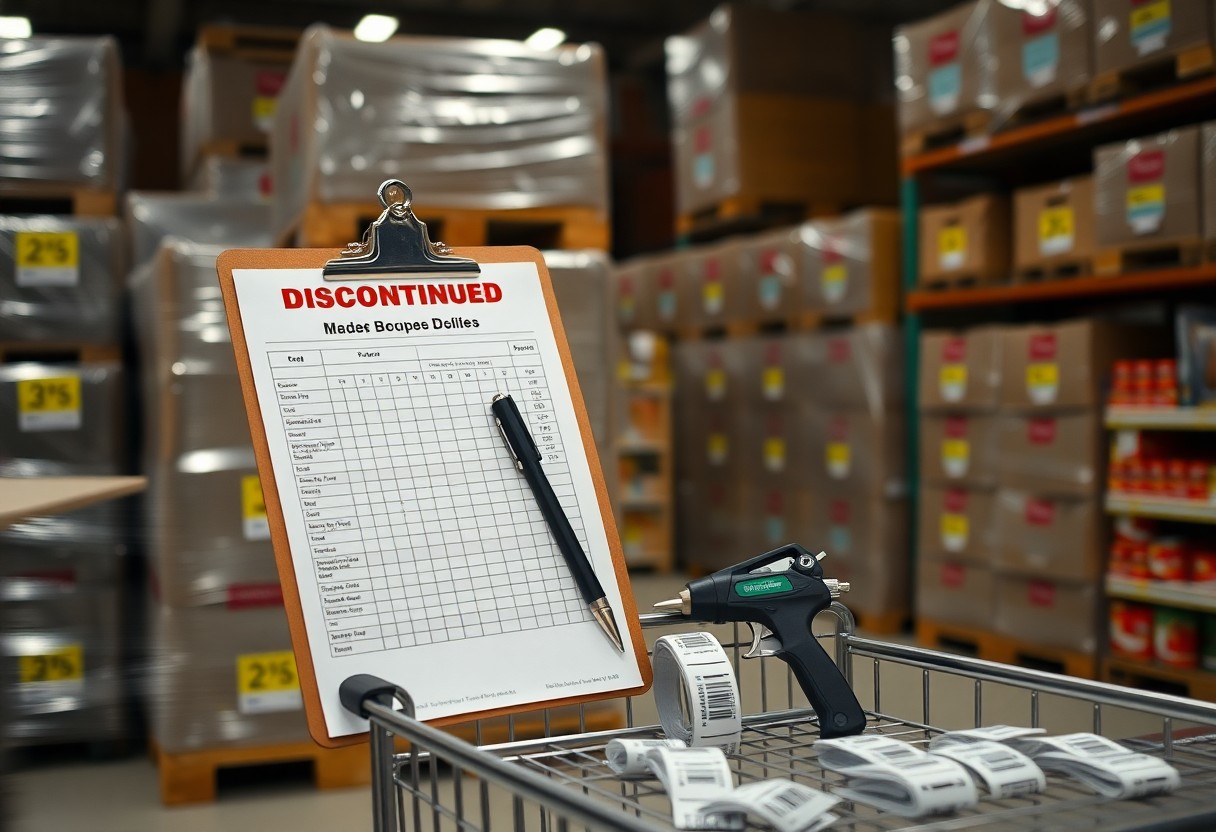
Retail assortment and delisting decisions
When you walk past an empty shelf it’s often the result of hard math: items that turn less than 4 times a year, generate weak margins, or trigger repeated supplier failures get removed to protect category profitability. Retailers also weigh recall history and logistic misses – a few late shipments or quality incidents can cost a SKU its slot. For a recent wave of abrupt removals see These 13 Foods Have Suddenly Vanished from New …, and how nostalgia rarely overrules economics.
Category management, velocity thresholds and data-driven cuts
Category managers use POS and inventory data to prune SKUs: often the top 20% of items generate ~80% of sales, so you’re vulnerable if your SKU falls into the long tail. Chains set velocity thresholds (commonly 2-4 turns/year) and minimum dollar share, then run weekly assortment reviews. When your item fails promotional lift or cannibalizes a higher-margin private label, algorithms and buyers combine to recommend delisting fast.
Private label competition, vendor terms and contractual triggers
Retailers push private label because it can deliver ; private label penetration in many categories now sits in the mid-teens percent, and you face pressure to match price, fund promotions, or accept chargebacks. Your contracts often include service-level targets and out-of-stock triggers – miss them and automatic penalties or delisting clauses kick in.
More often than not you’ll lose out if you can’t meet promotional funding (typically a few percent of sales), absorb slotting or pay-to-play demands, or resolve supply chain breaks quickly. Vendors who fail to hit agreed fill rates (for example sustained OOS above low single digits) see shortened terms, reduced shelf facings, and ultimately replacement by private labels or larger suppliers.
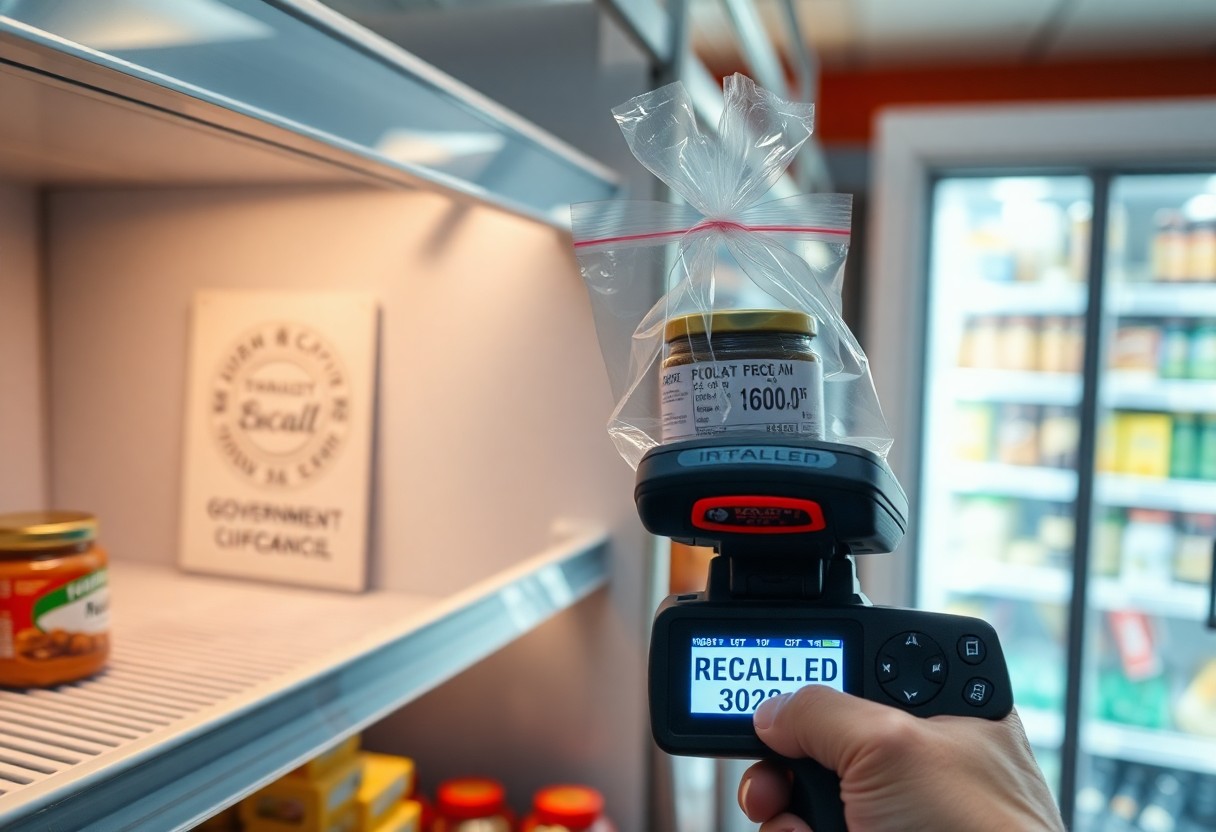
Regulation, safety and brand strategy
Recalls, compliance costs and regulatory shifts
After high-profile failures-Blue Bell’s 2015 listeria crisis that cost an estimated $200 million and the Peanut Corporation bankruptcy-you see retailers pull products fast. You face FSMA-driven audits and preventive controls that often demand six-figure plant upgrades for small suppliers. With supermarket net margins near 1-3%, a single recall costing tens to hundreds of millions can erase the business case for keeping your SKU on shelves.
Reformulation risks, brand positioning and strategic retirements
When you change a recipe to meet rules or trends, taste shifts can cut sales-think New Coke in 1985 or backlash after trans-fat switches. Companies will retire lines to defend flagship margins or prevent cannibalization, and retailers delist low-turn, low-margin SKUs. Nostalgic reissues like Crystal Pepsi’s limited runs in 2016 and 2018 prove demand can be real but often temporary, not enough to sustain permanent shelf space.
Reformulation usually forces new suppliers or equipment, and if your single-source partner fails you risk instant delisting; small makers are vulnerable after missed shipments or failed audits. Buyers execute SKU rationalizations-sometimes trimming thousands of items during resets-so you need steady turns and healthy margins. If your margin slips below about 2% or volumes drop, even beloved nostalgic products rarely return as permanent offerings.
Conclusion
Taking this into account, you see why retailers delist items, how supplier failures and shrinking margins force choices, and why nostalgic products rarely return; your buying patterns and supply economics drive permanent loss of shelf space in Grocery stores.
FAQ
Q: Why do retailers delist certain foods even if some customers love them?
A: Retailers delist items when data show they underperform on metrics that matter to store economics: sales velocity, profit per square foot, and category contribution. Shelf space is finite, so buyers favor SKUs that drive traffic or margin; slow sellers get replaced during planogram resets or seasonal cuts. Rising input, transportation, or labor costs squeeze margins, so products that once paid off in promotions or loyalty programs can become unprofitable. Retailers also weigh supplier support (promotional funding, cooperative advertising, slotting fees) and inventory risk for perishable items-if a product requires frequent markdowns to sell, it’s a candidate for delisting despite nostalgic demand.
Q: How do supplier problems make a product disappear forever?
A: Supplier failures end products permanently in several ways: manufacturer bankruptcy or plant closure halts production; ingredient shortages, regulatory actions, or safety recalls force reformulation or shutdowns; and consolidation or acquisitions can lead new owners to discontinue low-margin SKUs. Smaller brands often depend on a single co-packer or factory; when that partner exits, restarting production requires capital, new contracts, and regulatory approvals that many companies can’t justify. Even if a product could be revived, lost retailer relationships and reallocated shelf space make re-entry expensive and uncertain.
Q: If people miss nostalgic foods, why don’t manufacturers bring them back?
A: Nostalgia alone rarely sustains a product. Manufacturers consider minimum order quantities, sourcing for legacy ingredients, updated food-safety and labeling regulations, and profitability over time. Reformulating for modern diets or compliance can change flavor, alienating fans; producing small, nostalgia-driven runs often costs more per unit than mass lines. Retailers may refuse limited SKUs because they add complexity without reliable sales forecasts. Some brands pursue short-term re-releases or regional test runs to capitalize on nostalgia, but full-scale relaunches require consistent demand, supply-chain capacity, and retailer commitment-conditions that are uncommon.