Many shoppers like you are discovering micro‑regional grocery items as grocers pursue hyper‑local sourcing to build regional exclusivity and revive communities; this delivers distinct flavors and farmer income but increases supply fragility and product variability. You can read how urban markets adapt in A downtown grocery store & more: How urban markets are … and decide how your purchases shape local food systems.
Key Takeaways:
- Hyper-local sourcing ties stores directly to nearby farms and artisans, cutting transit time, improving freshness, and enabling clear provenance for shoppers.
- Regional exclusivity creates distinct merchandise assortments and storytelling that drive loyalty, justify premium pricing, and boost in-store traffic.
- Retailers deploy limited runs, co-branded products, localized marketing, and data-driven assortment decisions to scale micro-regional lines while supporting local economies.
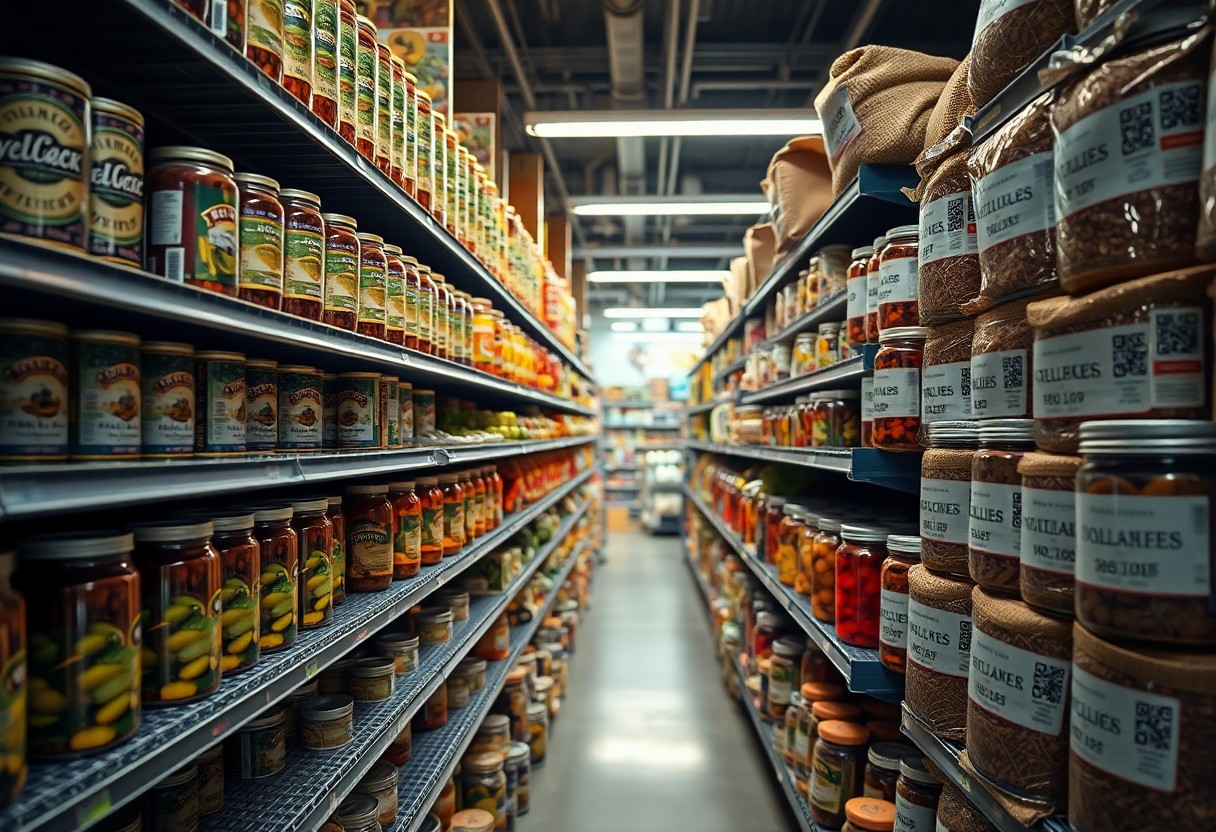
Defining Micro‑Regional Grocery Products
When you encounter items made by a single village co‑op or a private‑label run limited to a state, you’re seeing micro‑regional products: hyper‑local SKUs sourced often within a 100‑mile radius and rotated seasonally to create scarcity and storytelling. Retailers are leaning into this strategy for higher margins and loyalty; see how Multicultural grocery demand is rising. Here’s what grocers … aligns with that expansion.
Criteria, scale and distinguishing features
You should judge these products by provenance, production scale and distribution: think single‑producer lots, limited runs of 50-200 units per store, and direct farm or artisan contracts. Packaging emphasizes origin, ingredients and seasonality, while logistics use short replenishment cycles and store‑level allocation. Be aware that the model brings supply fragility-one bad harvest can halt SKU availability-but it delivers distinct regional identity and pricing power.
Typical product categories and notable examples
You’ll most often find condiments, fermented goods, cheeses, cured meats, baked specialties and shelf‑stable preserves in micro‑regional assortments: single‑estate olive oils, village kimchi sold through ethnic markets, Appalachian pepper jellies, and island fruit marmalades. Stores merchandise these to signal authenticity and to drive discovery, positioning them alongside mainstream SKUs to lift basket value and social‑shareability.
Digging deeper, your sourcing strategies will include direct contracts with small farms, rotating seasonal launches, and co‑op aggregators that consolidate small batch output for regional distribution. Logistics are typically routed weekly, shelf life runs 3-10 days for perishables, and retailers accept tighter margins on volume for a premium on exclusivity-a tradeoff that boosts store trips and brand differentiation but raises quality‑control demands.
Supply Chains and Hyper‑Local Sourcing Strategies
You see grocers lean into regional exclusivity because it drives foot traffic and differentiation: experiments show local assortments can lift category sales and margins, with some chains reporting 10-25% price premiums on hyper‑local SKUs. Retailers pair short lead times and visible provenance to convert shoppers into repeat buyers, and you benefit when stores reduce transit days to preserve flavor and extend shelf life for highly perishable micro‑region products.
Direct farm relationships, co‑ops and artisanal networks
You tap direct farmer relationships and co‑ops-like Organic Valley’s cooperative model of roughly 1,800 family farms-to secure exclusive batches and traceability. Contracts range from forward purchase agreements to seasonal exclusives, and artisanal networks supply limited runs (cheeses, ferments) that give your shelves unique stories. Those partnerships lower sourcing volatility and create marketing hooks you can use to justify higher price points and stronger regional identity.
Aggregation, distribution partnerships and logistics solutions
You rely on aggregators and regional DCs to make many small producers sellable at scale: platforms such as Full Harvest and Imperfect Foods consolidate dozens of growers, provide QA and route pallets into grocery distribution. Shared cold storage, branded co‑packing and EDI/portal integrations convert irregular farm output into store‑ready cases, and shortening lead times to 24-48 hours preserves quality for micro‑regional perishables.
You should expect aggregation partners to handle vendor onboarding, grading, barcoding and small‑batch co‑packing so you avoid direct farm complexity; they often consolidate dozens of farms into single pallets, cut handling events and improve unit economics enough to make regional exclusives profitable. Investment is required in cold‑chain and tech, and a single distribution hiccup can be costly, so prioritize partners with proven refrigerated lanes, traceability systems and retailer EDI experience.
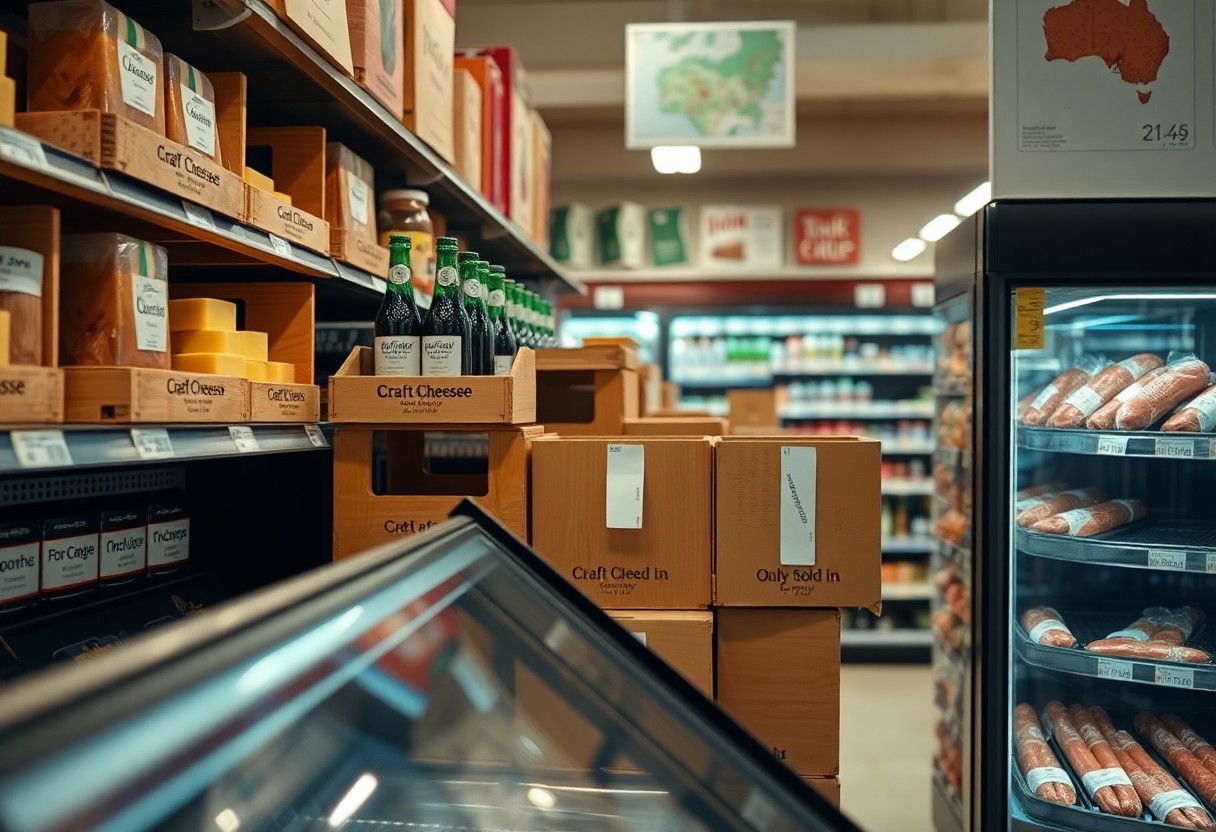
Retailer Motivations: Why Grocery Stores Bet on Regional Exclusivity
You’re seeing grocers lean into regional exclusives because hyper-local sourcing-procurement from farms and co‑packers within roughly 50-100 miles-shortens lead times, lowers spoilage and creates distinct assortments. Chains use micro-distribution centers and weekly drops to promote freshness and provenance; examples like Aldi’s seasonal Finds and Trader Joe’s region-specific SKUs show how exclusives let you command premiums, boost basket depth and drive repeat visits while accepting higher sourcing complexity and inventory risk.
Differentiation, higher margins and customer loyalty
You create a destination by stocking items customers can’t get elsewhere, turning curiosity into loyalty. Local and private-label regionals typically deliver 10-20 percentage points higher margins versus national brands, and tailored assortments increase visit frequency and time in store. Retailers such as Wegmans and Trader Joe’s harness this to anchor their brand positioning, making your store the place shoppers plan trips around rather than a default stop.
Private‑label tactics, limited drops and storytelling marketing
You use small-batch private labels, timed limited drops and narrative-rich packaging to engineer urgency and provenance. Aldi’s “Aldi Finds” and Trader Joe’s use of the Fearless Flyer illustrate how scarcity plus storytelling drives full-price sell-through; Target’s Good & Gather and Kroger’s private ranges show scale potential. That approach creates FOMO-driven demand, but it can harm trust if drops repeatedly stock out or quality varies.
You operationalize this by contracting local co‑packers for small-batch runs (often in the low thousands), deploying micro‑DCs for weekly drops, and labeling products with harvest dates plus QR-linked producer stories for traceability. You tie POS demand-sensing to replenishment and use loyalty-targeted promos to convert trials into repeat purchases. Watch supplier variability and short runs closely-operational fragility is the main trade-off when you prioritize provenance over scale.
Consumer Demand and Cultural Drivers
Retailers are turning to regional exclusivity because you seek stories and scarcity as much as flavor; limited-run items sourced within a 100-mile radius or tied to a single cooperative command higher engagement and often a 10-25% price premium. Chains test micro-regions with pop-up shelves and seasonal drops, and you respond: social shares and in-store visits spike when a product is tied to a specific valley, island or ethnic tradition, driving both discovery and loyalty.
Provenance, authenticity and culinary discovery
When you scan a QR code on a micro‑regional olive oil or a mountain cheese, you expect details: farm GPS, harvest date, batch number and producer story. Retailers partner with small processors to offer batch-limited runs-often under 500 units-to maintain rarity and traceability. In practice, stores that label origin clearly see faster sell-through and repeat buys from culinary explorers who prize provenance over generic branding.
Demographic niches, ethnic markets and trend adoption
Grocery buyers segment neighborhoods so you find tortillas from local tortillerías in Latinx districts or single-origin rice varieties in Asian markets; targeted assortments boost relevance and conversion. Merchants use loyalty and POS folds to pilot SKUs in 10-30 stores, and successful pilots scale regionally, turning niche ethnic items into mainstream trends while preserving the product’s local cachet.
Digging deeper, you notice grocers use customer analytics and footfall data to map which micro‑products resonate by age, heritage and frequency: sampling events in immigrant hubs, bilingual packaging, and weekend drops timed with cultural festivals. That data-driven approach increases basket size by double digits for targeted shoppers but creates single-source risk if a small supplier fails, so retailers balance exclusivity with backup suppliers and short-term contracts.
Risks, Compliance and Quality Control
When you scale hyper‑local sourcing for regional exclusivity, regulatory oversight and QC shift into daily operations: suppliers require documented food‑safety plans, batch testing and electronic traceability, and your store must be ready for rapid recalls and label audits. National chains that piloted QR batch tracking cut recall response times dramatically, so your playbook should include vendor audits, sample testing protocols and a crisis‑communication line linking shelf SKU to the specific farm or lot.
Food safety, traceability and consistency challenges
You encounter uneven food‑safety practices across small producers-raw‑milk cheeses and fermented goods have historically caused recalls-so you need batch‑level traceability, third‑party audits and on‑site sampling. Many retailers now require QR codes with harvest date, lot and grower contact, plus weekly pathogen screening for high‑risk items; without that, you risk supplier variability that affects both safety and the consistent flavor profile your customers expect.
Pricing, shelf life and supply volatility
You’ll often pay procurement premiums (commonly 10-30%) for regional exclusives, while shorter shelf life and seasonal yields drive higher shrink and price swings-stores report inventory waste rising when turnover lags and weather cuts yields. Managing margins means accounting for supply volatility, rapid markdowns for perishable runs and tighter reorder intervals to avoid both stockouts and spoilage.
You mitigate these risks by using contract farming or minimum‑volume guarantees, crop‑insurance clauses and dynamic pricing, plus investing in cold‑chain and micro‑fulfillment to extend shelf life by several days. Integrating local weather forecasts into demand models and running small, frequent orders with buffer lots lets you honor exclusivity while containing waste and protecting margins.
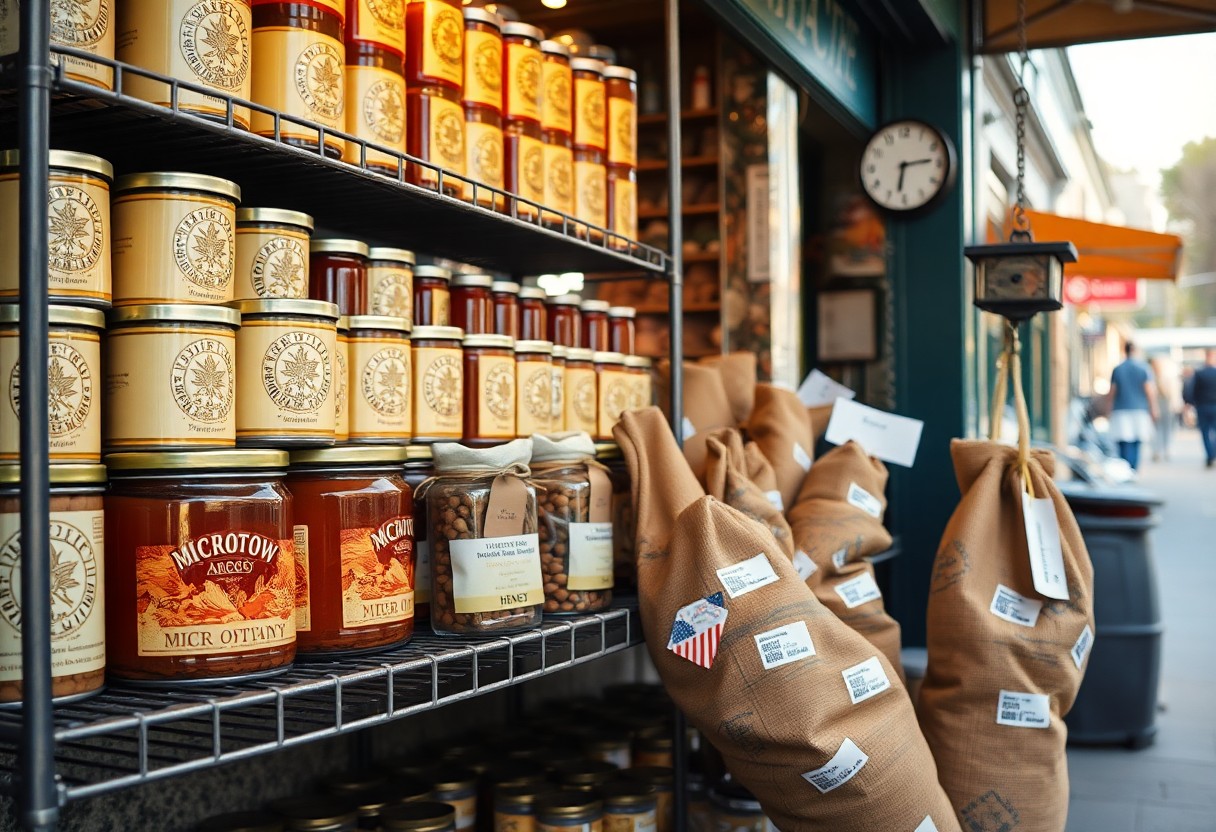
Future Outlook and Strategic Recommendations
You should prioritize hyper-local sourcing to convert regional exclusivity into customer loyalty and, in many cases, command up to a 30% price premium; pilots show faster inventory turnover and lower waste when farm-to-shelf time is kept under 72 hours. Balance supplier development, short-run production planning, and curated assortments to avoid SKU bloat. For concrete regional product inspiration, review 21 Surprising Regional Foods You’ve Never Heard Of.
Technology enablers: traceability, forecasting and e‑commerce
You can deploy lot-level traceability (blockchain/RFID), AI demand sensing and integrated e-commerce to reduce stockouts and spoilage; retailers using these tools report quicker recall resolution and 48-72 hour visibility into origin-to-shelf flows. Combine hyper-local filters on your e-commerce storefront with dynamic assortments so regional exclusives surface to nearby customers, and use short-run production forecasts to keep freshness high while limiting excess inventory.
Scalable partnership models that preserve local identity
You should design tiered partnerships-core-anchor SKUs, seasonal spot buys, and co-branded limited runs-backed by revenue-sharing and joint marketing so producers capture margin while you secure exclusivity. Structure agreements with clear sell-through KPIs and storytelling requirements to preserve provenance on shelf and online; pilot splits (for example, ~60/40 producer-retailer) can make small farms financially viable without sacrificing local identity.
You can operationalize this by offering short minimum orders (4-8 week production windows), advance purchase commitments, and micro-loan or co-op marketing funds (commonly 1-3% of gross) to help producers scale. Programs like Whole Foods’ Local Producer initiatives illustrate how financial support plus guaranteed shelf placement accelerates capacity building. Keep labeling strict, limit private‑labeling of regional lines, and use phased rollouts-start with a dozen SKUs, track sell-through and net promoter scores, then expand-so your exclusives stay authentic and high-margin.
Conclusion
Following this, you understand why grocery retailers invest in hyper-local sourcing: by forging direct partnerships with nearby farms and artisans, shortening supply chains, and emphasizing seasonality and traceability, they offer products unavailable elsewhere, heighten freshness, command premium margins, and deepen community ties. These regional exclusives let your store differentiate, build loyal shoppers, and absorb local stories into merchandising, turning obscure micro-regional items into strategic assets that strengthen resilience and brand identity.
FAQ
Q: What are “micro‑regional” grocery products and why are they appearing now?
A: Micro‑regional products are small‑batch, place‑specific foods and beverages tied to a narrow geographic area-think a single valley’s heirloom tomatoes, a coastal village’s smoked fish, or a town‑specific spice blend. They’re proliferating because shoppers want provenance, distinctiveness and traceability; e‑commerce and social media make niche stories discoverable; and retailers seeking differentiation can source directly from micro‑producers exposed by pandemic‑era supply‑chain shifts. The result: more SKUs that foreground origin, seasonality and craft techniques rather than nationwide uniformity.
Q: How do grocery stores implement hyper‑local sourcing strategies in practice?
A: Retailers build local networks: direct partnerships with farmers, co‑ops, and artisan processors; shared distribution hubs that aggregate tiny volumes; seasonal buying calendars; and consignment or short‑run purchasing to reduce inventory risk. Merchandising teams use POS data and regional test stores to curate rotating assortments, while logistics teams handle smaller, faster cold‑chain deliveries or pooled last‑mile shipments. Stores also provide marketing support-story labels, in‑store sampling, and online storytelling-to amplify the product’s local origin and justify premium pricing.
Q: Why are grocers betting on regional exclusivity, and what tradeoffs should they expect?
A: Regional exclusivity drives differentiation, deeper customer loyalty, higher margins on limited items, and social buzz that attracts new shoppers. It helps retailers position themselves as community partners and sustainability‑minded curators rather than commodity sellers. Tradeoffs include forecasting complexity, higher per‑unit procurement and logistics costs, seasonal availability, and compliance checks for small producers. Smart retailers mitigate those risks with rotating launch programs, volume pooling across stores, and data‑driven assortment testing that lets successful micro‑regional items scale selectively.