It’s common to assume unsold groceries are simply tossed, but you should know the process: stores use markdowns and redirect edible items to donations or secondary markets for resale, while inedible or unsafe goods may become animal feed or, alarmingly, end up in landfills where they generate dangerous methane emissions.
Key Takeaways:
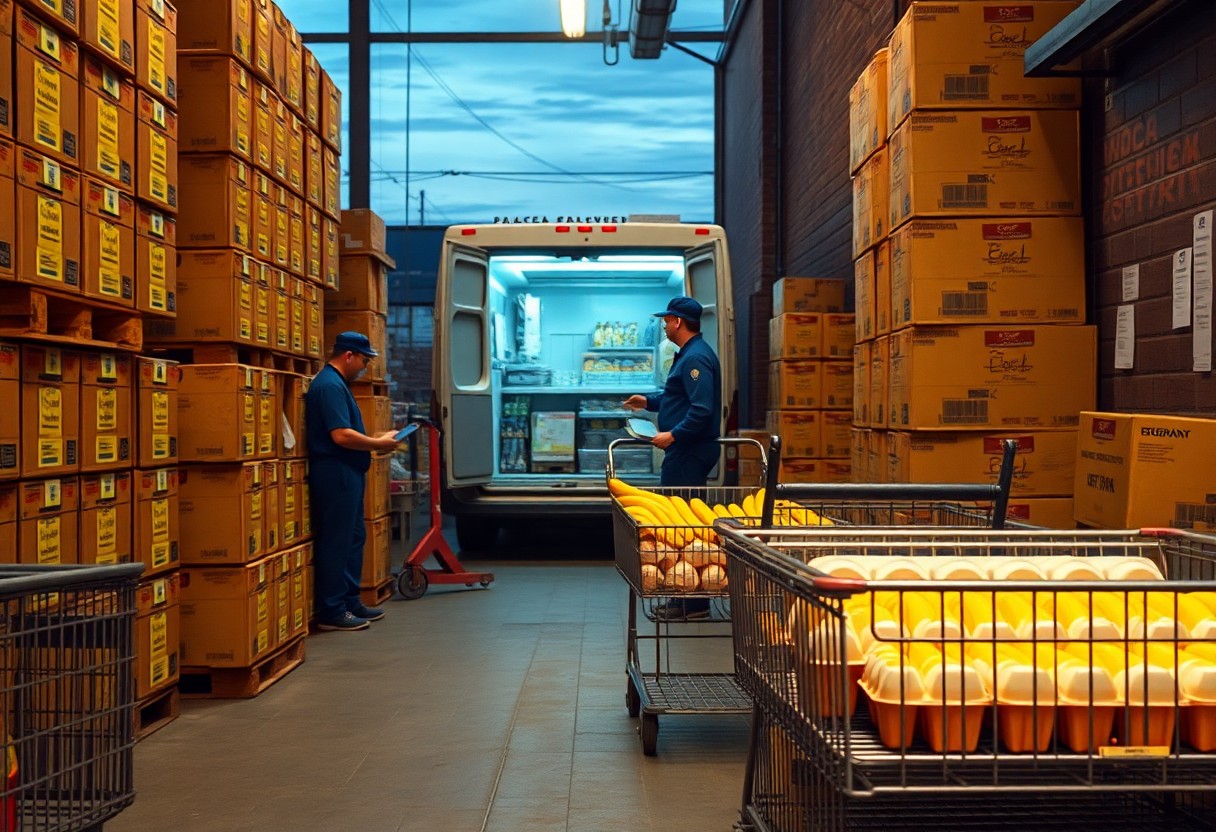
- Stores mark down close-to-expire or cosmetically imperfect items and sell through discount channels or secondary markets (discount retailers, repackagers), but these strategies cannot absorb all surplus.
- Edible unsold food is commonly donated to food banks and rescue programs under liability protections and tax incentives, though perishability, safety rules, and logistics limit volumes diverted from waste.
- Non-sellable items are routed to animal feed, composting, or anaerobic digestion for energy when possible; otherwise they often end up in landfills, where decomposing food generates methane unless captured.
Retail markdowns and secondary sales
You’ll see grocers use staged markdowns, donate safe surplus, sell to secondary markets, or divert to animal feed and compost to avoid expensive landfill disposal. Perishables are commonly cut by 30-50% within days of expiry, while unsellable items may move through pallet brokers, food banks, or anaerobic digesters. Your local store’s inventory data and contracts with processors often determine whether food is redirected, resold, or disposed of.
Clearance pricing, dynamic discounts, and shrink management
You encounter clearance racks and app-based deals because retailers use dynamic pricing to convert dying inventory into sales; discounts often escalate as shelf life wanes. Retail pilots show digital markdowns can cut waste and shrink by up to 20-30%. Inventory-side actions-better forecasting, night crew markdowns, and POS triggers-help you see fewer thrown-away items and lower overall loss.
Outlet stores, bulk buyers, and short‑date resale channels
You’ll find outlet chains and pallet brokers buying overstock and short‑date goods at deep discounts, then reselling them to value shoppers or businesses. Chains like Grocery Outlet and salvage brokers commonly resell items at 40-80% off original retail; institutional buyers purchase pallets for cafeterias, while food banks accept safe donations before expiry.
More specifically, pallet lots often sell for roughly 10-40% of retail value, and you’ll see short‑date items relabeled or bundled for quick turnover. Liability and food‑safety rules force strict segregation: items past labeled “use‑by” rarely reenter resale and may be diverted to animal feed, compost, or anaerobic digestion instead of landfill. Your store’s contracts and local regulations largely dictate which channel is used.
Donations and food‑rescue networks
You’ll see surplus routed through markdowns, direct donations, or food‑rescue networks that divert edible product from the dumpster to people, animals, or secondary markets. Retailers often give soon‑to‑expire bread, dairy, or prepared foods to shelters or animal feed programs; unsold produce is frequently redirected within 24-48 hours. For firsthand community discussion and an example of local rescue questions, see Can someone explain what happens to the food that does …
Food banks, charities, and legal protections for donors
When you donate, national networks like Feeding America (about 200 food banks and roughly 60,000 partner agencies) and local charities take excess inventory and redistribute it. Federal law – the Good Samaritan Food Donation Act – limits donor liability for food donated in good faith, and tax rules allow deductions based on the fair‑market value of inventory, which encourages stores to donate rather than discard.
Logistics constraints: refrigeration, pickup windows, and coordination
Perishables force you to work within tight windows: many refrigerated items require 40°F or lower and pickup within 24-48 hours. Coordinating donor schedules, volunteer drivers, and receiving agency capacity limits how much surplus can be saved, so you’ll often see time‑sensitive items prioritized for rescue while lower‑risk goods follow different routes.
In practice, the cold chain and timing drive feasibility: refrigerated trucks, storage space, and trained handlers are expensive, and the last‑mile pickup can cost more than the donated goods’ market value. You will notice programs that centralize pickups into daily routes or use commercial haulers to cut per‑pound costs; others rely on volunteers and fixed pickup windows (often early morning) to keep produce and dairy from spoiling. When logistics fail, edible food can still end up as animal feed or, regrettably, in landfill, which is why operational design matters as much as goodwill.
Safety, labeling, and regulatory limits
Federal and state rules steer whether unsold food is marked down, donated, resold, fed to animals, or landfilled: the Bill Emerson Good Samaritan Act (1996) limits donor liability except for gross negligence, while the FDA Food Code sets temperature rules like 41°F for cold holding and 135°F for hot holding. Grocers commonly apply 20-50% markdowns to move short‑dated stock; when donation or secondary markets aren’t viable the result is often animal feed, rendering, or landfill, where food waste generates methane and makes up about 20% of municipal solid waste.
Sell‑by, best‑before, and use‑by dates – what they mean
“Sell‑by” guides your store’s inventory actions, “best‑before” signals peak quality, and “use‑by” is the manufacturer’s safety cutoff for perishable items like deli meat, soft cheeses, and ready‑to‑eat seafood; infant formula is one of the few categories legally required to carry an expiration. You’ll see retailers apply 20-50% markdowns as a date approaches, and food banks will accept many items up to the labeled date, but you should not consume perishables past a clear use‑by date.
Food safety rules that dictate donation, resale, or disposal
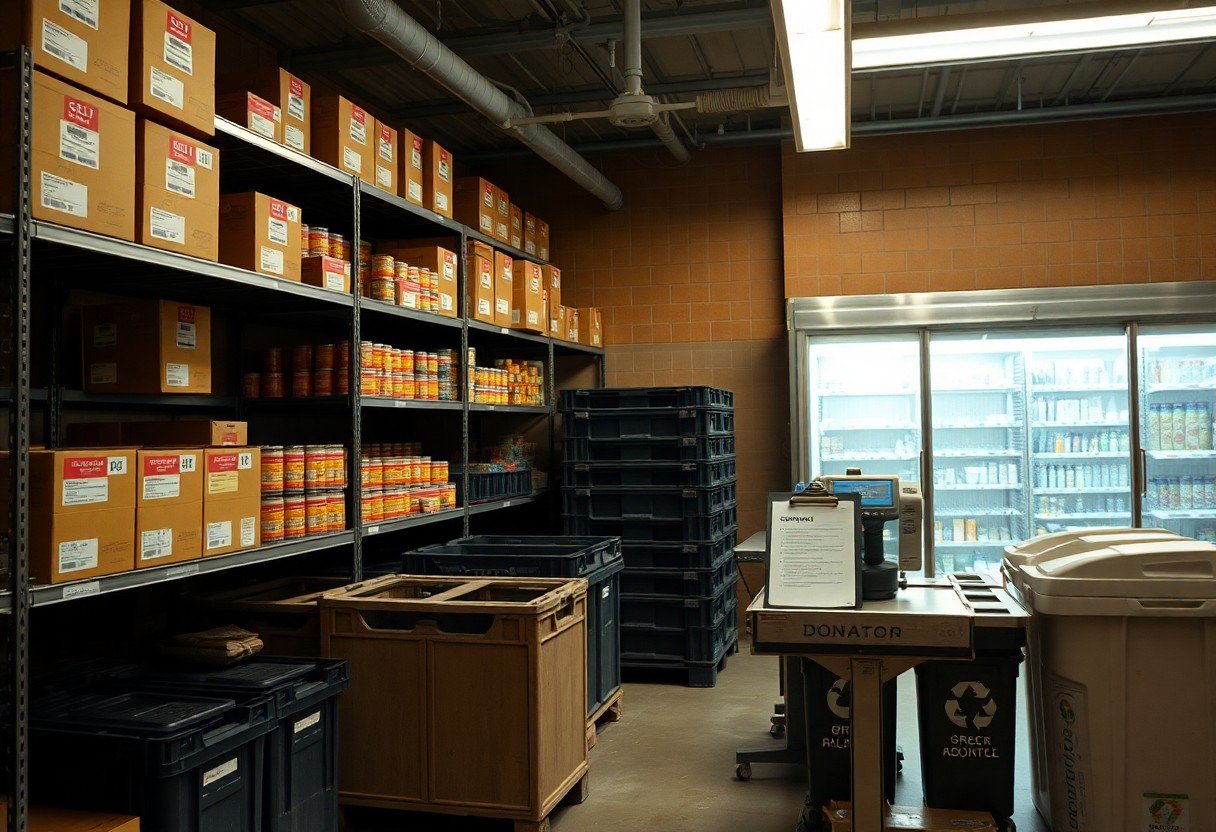
You can donate or resell only items that maintain the cold chain and labeling; unopened, clearly labeled products within date are acceptable to most food banks, while opened ready‑to‑eat items usually are not. The Food Code’s 4‑hour/time‑temperature limits mean any TCS (time/temperature‑controlled) food held between 41°F and 135°F beyond allowable periods must be discarded. Animal feed and rendering pathways exist, but many states restrict raw meat or dairy from direct animal feed without processing.
Operationally, supermarkets route short‑dated perishables to different sinks: markdowns and secondary discount channels (outlet stores, online surplus platforms) move many items; donation requires documented temperature logs and intact labels; rendering or anaerobic digestion handles products unfit for feed; and direct landfill disposal is the last resort. Chains report that strict temperature logs, liability policies, and partner food‑bank acceptance criteria determine whether an item is donated, sold at a discount, diverted to feed/processing, or thrown away.
Alternative uses and industrial diversion
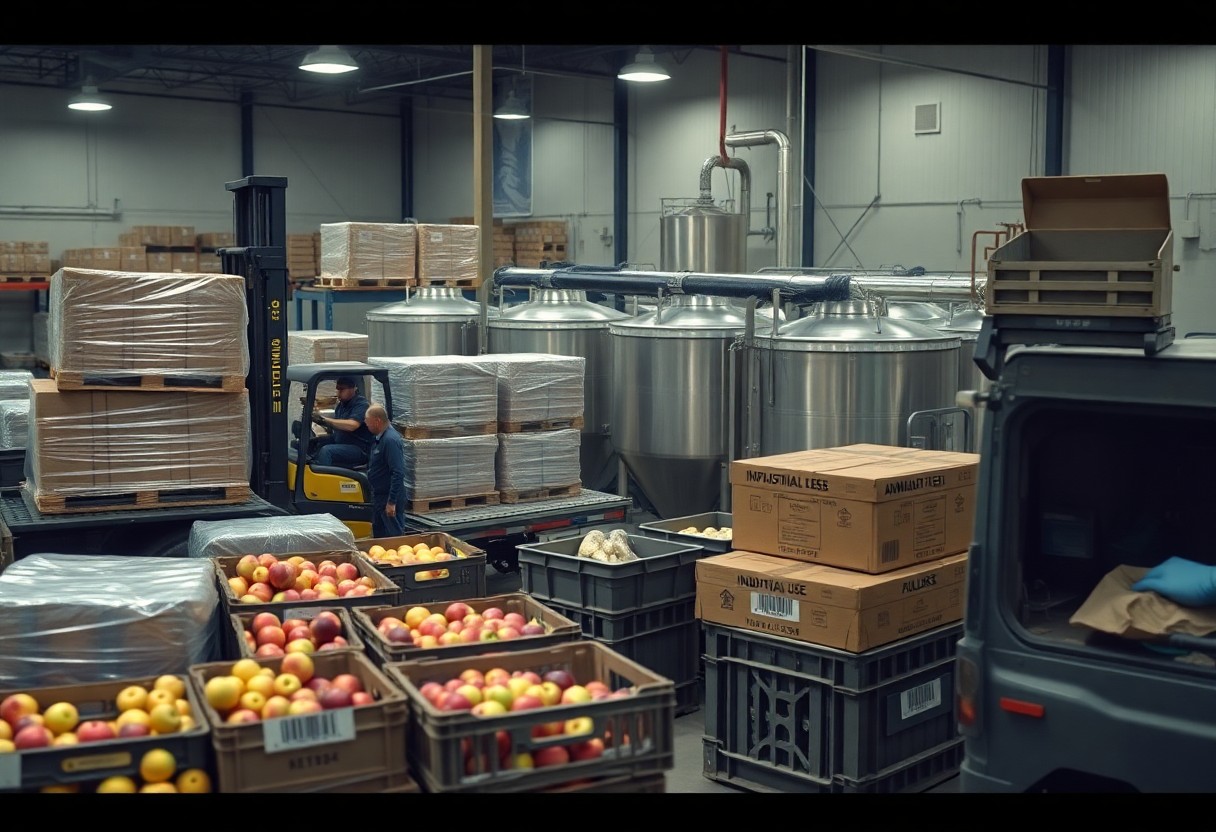
You’ll find unsold groceries routed to several paths beyond the shelf: deep markdowns and secondary markets, donations to food banks, diversion into animal feed or rendering, and industrial channels like anaerobic digestion or fermentation. USDA estimates 30-40% of the U.S. food supply is wasted, so these pathways determine whether that surplus becomes a positive reuse or ends up emitting methane in landfills.
Animal feed, rendering, and ingredient repurposing
You can often sell bruised produce or day‑old bakery items at steep markdowns (commonly 30-50% off) or divert them to farms as animal feed; animal by‑products and inedible cuts go to rendering plants that produce tallow and protein meals for pet food and industrial uses. Large retailers contract with local renderers and feed brokers to keep these streams lawful and profitable while avoiding landfill disposal.
Industrial uses: bioenergy, fermentation, and commodity inputs
You’ll see food waste sent to anaerobic digesters to make biogas, to fermentation facilities to produce ethanol or organic acids, or processed into commodity inputs for cosmetics and cleaning products. Anaerobic digestion captures carbon and energy instead of releasing methane, and upgrading biogas to renewable natural gas lets you replace fossil fuels in fleets or facility heating.
Digestion and industrial fermentation scale differently: you can route liquids and high‑sugar streams to fermentation plants for citric acid or solvent production, while mixed organics suit digesters that generate electricity or RNG. Many municipalities pair organics collection with local AD facilities to reduce landfill volume and cut potent methane emissions (methane is about 28× more potent than CO₂ over 100 years), making industrial diversion a measurable climate and operational play for your store.
Composting and anaerobic digestion
When markdowns, donations, or secondary-market moves don’t clear perishables, stores often divert unsold produce and bakery items to composting or anaerobic digestion rather than landfills, because sending organics to landfill generates uncontrolled methane. You’ll see retailers partner with haulers, feed processors, or local AD plants to keep waste out of the dump; some higher-value items still go to donations or animal feed when safe and legally allowed, but logistics and shelf-life frequently push material into organics programs.
Municipal and commercial composting systems
Many municipal curbside programs accept pre- and post-consumer scraps, but meat and dairy are often restricted unless processed in commercial in-vessel systems that reach 55-65°C to eliminate pathogens; that lets you divert material that would otherwise be wasted. In-vessel and windrow facilities can cut processing to 2-8 weeks, create valuable soil amendment, and helped cities like San Francisco drive organic diversion rates above 80% by combining collection, retail partnerships, and outreach.
Anaerobic digestion for biogas and nutrient recovery
Anaerobic digestion (AD) turns high-moisture retail waste into biogas and digestate: roughly 100-200 m³ of biogas per ton of food waste is typical, with methane around 50-65%, usable for heat or on-site electricity. You’ll find retailers contracting with AD facilities to handle unsold prepared foods and trimmings that composting won’t accept, recovering energy and nutrients while avoiding landfill emissions-but you must remove packaging and contaminants first.
Operationally, AD performs best when you co-digest store waste with biosolids or crop residues, which can boost gas yields by about 10-30% and stabilize digestion; nonetheless, contamination from plastics, bones, or cleaning chemicals can foul equipment and reduce value of the digestate, so you’ll need quality-control sorting, proper documentation for donations versus AD routing, and agreements that specify acceptable feedstocks and contamination thresholds.
Landfill disposal and environmental impacts
When markdowns, donations, secondary markets, and animal feed can’t absorb surplus, stores often send it to landfills where anaerobic decomposition produces methane. If you follow retail operations, you see unsold produce, bakery items, and prepared foods frequently bypass diversion. Research on Supermarket & grocery store food waste shows logistics, liability, and timing push many retailers toward disposal, increasing your store’s environmental footprint and local landfill burdens.
Methane emissions, carbon footprint, and landfill realities
Because food waste is wet and rich in organics, it decomposes anaerobically in landfills and emits methane, a greenhouse gas roughly 28 times more potent than CO2 over 100 years. In the U.S., landfills are among the top human-related methane sources, so when your unsold food is buried you amplify climate forcing and local air-quality problems more than if it were diverted or processed for energy recovery.
Economic costs, reporting, and incentives to reduce waste
Unsold food directly affects your finances: hauling, tipping fees, and lost inventory value add up. Municipal tipping fees commonly range from $20-$100 per ton, and tracking waste generates administrative costs. Incentives like tax benefits for donations, Good Samaritan liability protections, and contracts for animal feed or secondary markets can help you recover value and cut landfill expenses.
Targeted tactics pay off: markdowns and secondary channels let you recoup revenue by selling short‑dated goods to discount partners or donating them. If your store diverts 50 tons annually at a $50/ton tipping fee, you’d save about $2,500 in disposal alone, plus reduced hauling and admin; combining diversion with reporting can also qualify you for municipal rebates or grants where organic-waste mandates exist.
Conclusion
Conclusively, when food doesn’t sell in grocery stores, you will see markdowns to clear shelves, donations to food banks, transfer to secondary markets or discounted outlets, diversion for animal feed, or disposal in landfills where it generates methane; you can influence outcomes by choosing retailers that prioritize redistribution, supporting policies for diversion instead of disposal, and buying imperfect produce so your purchases help reduce waste.
FAQ
Q: What happens to food that doesn’t sell in grocery stores?
A: Unsold food follows several common paths. Stores often apply markdowns or set aside “manager’s special” sections to sell items before spoilage. Edible surplus that can’t be sold at retail may be donated to food banks or rescue organizations under liability-protection laws and through established pickup/logistics partnerships. Non‑marketable but still usable items can enter secondary markets (salvage distributors, discount outlets, ingredient processors) or be processed into products like soups, purees, canned goods, pet food, or rendered animal feed. Items past safe use or contamination thresholds go to organic recycling (composting, anaerobic digestion) when available, and only when none of these options are feasible are they sent to landfill, where they produce methane as they decompose anaerobically.
Q: How do markdowns, donations, and secondary markets actually work in practice?
A: Markdown programs reduce prices to accelerate sales for near‑date or cosmetically imperfect items; inventory systems flag goods for discounting to minimize spoilage. Donations require coordination with local food recovery groups, adherence to food‑safety rules and date‑label guidance, and often involve tax incentives and Good Samaritan-style liability protections for donors. Secondary markets include salvage brokers who buy bulk surplus, discount chains and online platforms that resell imperfect or short‑dated goods, and processors that convert ingredients into shelf‑stable or ingredient products. Technology (inventory forecasting, apps that connect stores to charities or discount buyers) and store policies determine which channel each unsold item follows.
Q: What are the environmental and regulatory realities when unsold food ends up in landfills versus other uses?
A: Landfilling organic waste leads to anaerobic decomposition and methane emissions, a potent greenhouse gas; many jurisdictions are introducing organics bans or diversion requirements to cut emissions. Alternatives like composting and anaerobic digestion capture nutrients and, in the case of digestion, produce biogas for energy-these reduce greenhouse gas intensity compared with landfill disposal. Using unsold food for animal feed or industrial processes (rendering, bioenergy) can further displace fossil‑fuel or feedstock demand. Regulatory drivers, disposal costs, available infrastructure, and liability/food‑safety rules shape how much food is diverted from landfills versus recycled, repurposed, or discarded.