It’s easy to overlook the path your banana takes; when you trace a single fruit from plantation through ports, shipping, ripening rooms and shelf, you confront relentless timing pressure, often high loss rates, and the counterbalancing role of sophisticated ripening rooms and tight logistics that keep fruit edible. You learn how harvest windows, transit delays, temperature control and contractual timing shape what reaches your cart – for a deeper look, read A Journey Down The Banana Supply Chain.
With every banana you buy, you enter a rapid chain where timing pressure drives shipping, ripening rooms use ethylene to force perfect yellow while loss rates from spoilage and transit shock can be alarmingly high; you see coordinated cold-chain logistics, stacked pallet movements and the human cost behind speed, and when systems work the result is consistent fresh fruit-learn how growers, handlers and ripeners sync schedules and tools like Going bananas to keep perishable goods on the move.
Key Takeaways:
- From farm to shelf, bananas are harvested green, packed and sent through a tightly scheduled cold‑chain-sea freight to ports, inland trucking and cross‑dock hubs-so transit timing and documentation largely determine the fruit’s condition on arrival.
- Ripening rooms use controlled ethylene, temperature and humidity to shift green fruit into a narrow sell‑by window; operators stage batches to match store deliveries, and any mistiming forces accelerated ripening or waste.
- Timing pressure and handling cause double‑digit shrink-bruising, overripening and rejections commonly produce 10-30% loss rates-so a single delayed truck or mis‑timed ripening cycle can turn potential sales into waste and financial loss across the chain.
Key Takeaways:
- Picked green and cooled within hours, a banana travels in refrigerated containers and through customs on a tight schedule; any delay or temperature break shrinks an already narrow ripening window and forces costly re-routing or fast decisions.
- Ripening rooms use precise ethylene dosing, humidity and temperature control to turn green fruit yellow on demand; the saleable window is typically only 3-7 days, so timing errors lead to rapid downgrades or heavy markdowns.
- Damage, cold injury, pests and mistimed ripening produce substantial losses-often in the low double digits to around 30% across the chain-creating hidden costs from extra packing, expedited transport and unsold waste borne by growers, shippers and retailers.
From Plantation to Packing
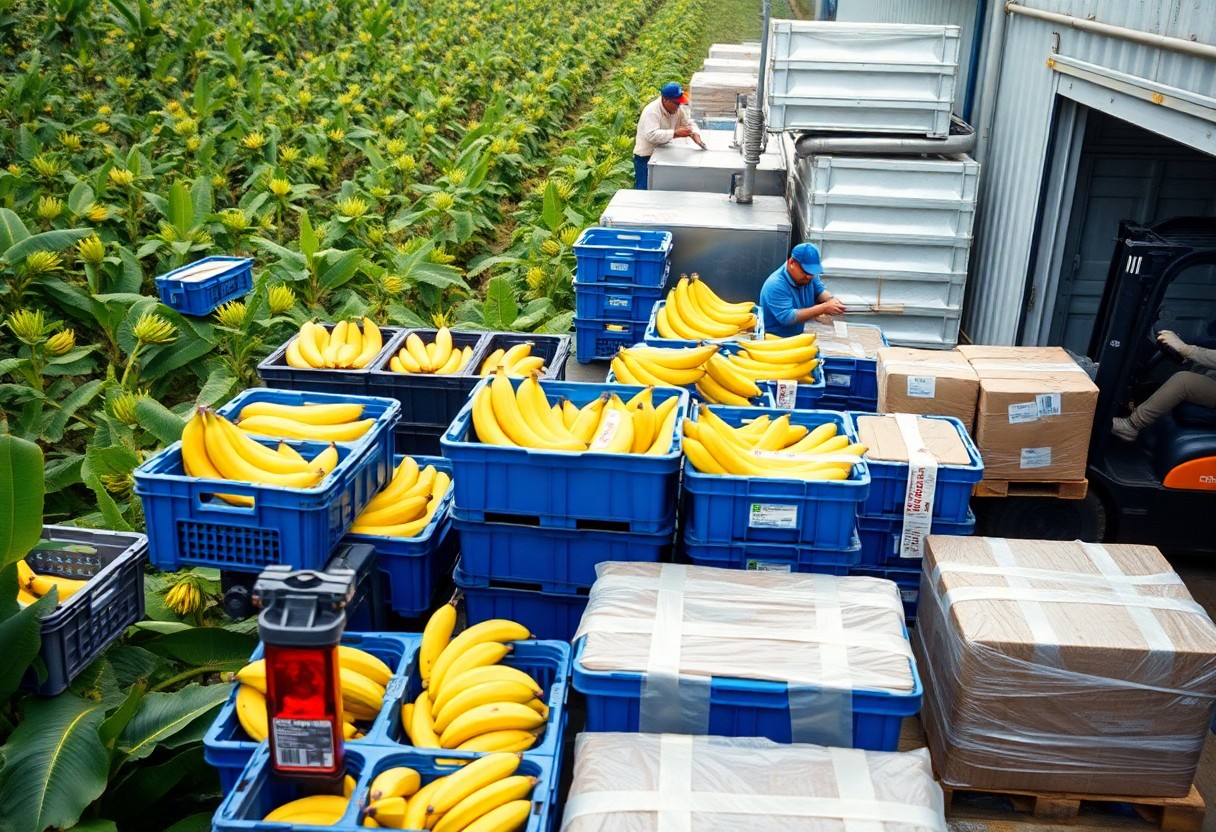
You watch boxes leave the field after harvest at green stage 1-2, then see them washed, graded and chilled for shipment; sea transit is typically 10-14 days and ripening rooms dose ethylene on a strict timetable so stores get yellow fruit on schedule. High handling and timing pressure means loss rates of 10-20% are common, so your importer staggers containers and ripening slots to avoid rejected pallets and wasted fruit. Ever wonder how your banana gets from the field to …
Cultivation, seasonality, and varietal choices
You see Cavendish dominate export packing-accounting for the vast majority of traded fruit-because it ships well; typical yields are around ~30 tonnes/ha and growers harvest every 7-14 days to match ripening schedules. Seasonal rainfall spikes alter harvest cadence, and threats like TR4 push some estates into trialing FHIA or Goldfinger hybrids, but switching varieties also forces you to recalibrate logistics and ripening-room timing to avoid spoilage.
Labor, regulation, and certification realities
You face audits from buyers and certifiers (GlobalG.A.P., Rainforest Alliance, Fairtrade) that check payroll, working hours and safety; failures can interrupt contracts. On plantations, piece‑rate pay and tight packing deadlines amplify pressure, raising risks like pesticide exposure and rushed handling that drive up waste and complaints.
You should know audits typically recur every 6-12 months and require documented corrective action within 30-90 days; decertification can cost an exporter entire retail contracts. Large buyers demand traceability down to lot numbers and proof of legal hiring, but subcontracted crews and informal seasonal labor complicate compliance. In practice, certification reduces some risks but doesn’t eliminate them: you still see seasonal spikes in overtime, high turnover that can exceed a quarter of staff on some estates, and supply-chain penalties when a single failed ripening batch forces late deliveries or returns.
Origins and Farming Practices
Farms you source from are often tied into integrated export systems where timing, not season, dictates harvest schedules. Harvest windows and shipping slots are planned so fruit leaves the field at a specific maturity to survive sea freight and ripening rooms; if delays occur you can expect higher rejection rates at the ripener. Large exporters coordinate trucks and cold-storage to keep losses under control, but pressure to hit sailings is constant.
Major growing regions, varieties, and seasonality
Major growers include Ecuador, Costa Rica, Colombia, the Philippines and parts of West Africa, and you’ll see most supermarket bananas come from Latin America. Cavendish varieties account for over 90% of export trade, which simplifies ripening logistics but concentrates disease risk. Ecuador exports about 6 million tonnes annually, feeding year-round demand; nevertheless you’ll notice seasonal freight surges during wet seasons that force faster harvests and raise field-to-port transit times.
Field harvesting, pre-sorting, and labor realities
When crews hand-cut bunches you’re seeing labor-intensive work: teams cut, weigh and transport to on-farm packing sheds where pre-sorting removes damaged hands and grades by size. Harvest is done green, timed so fruit withstands 10-21 day sea voyages and ripening-room scheduling; delays increase field/packing losses (commonly 10-20%). Pay is often piece-rate, and you should note high exposure to agrochemicals and heat-related injuries are persistent labor realities.
On many plantations you’ll see yields around 20-40 tonnes per hectare annually, with harvest crews returning to the same matures every 7-10 days; medium estates often run 20-50 workers per block to keep pace. After pre-sorting fruit passes through washing, fungicide dips and sizing lines before chilled containers (usually ~13°C) depart; sea transit plus ripening-room scheduling creates a timing gauntlet where ripener losses can add another 5-10% if shipments miss windows.
Harvesting, Sorting & Packing
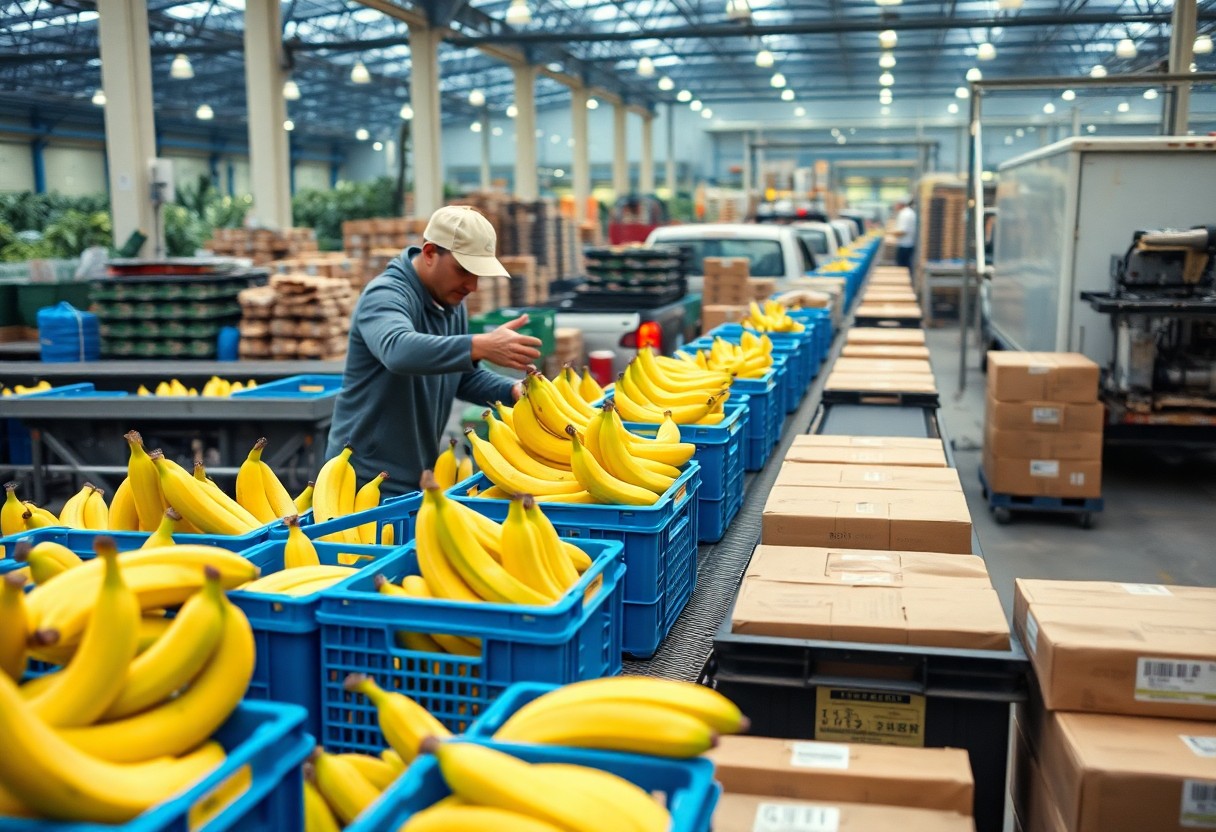
You harvest bananas at roughly 75-80% maturity, cutting green bunches by hand and racing a tight clock: fruit must reach the packhouse and cold chain within 24-72 hours to avoid overripening. Sorting removes damaged hands and sets carton targets (~18 kg boxes); logistic bottlenecks-truck availability, inspection queues, and port schedules-drive the common loss rates of 15-25% from field to ship.
Field harvesting, grading, and quality standards
Teams cut bunches with knives, leaving the stem stub to limit latex, then grade by size, blemish, and ripeness; you aim for Class I/A fruit while diverting rejects or processing lots. Farms target uniform box weights (~18-20 kg) and typically discard up to 20% at harvest for insect damage, bruises, or fungal spots-decisions that set downstream ripening and shelf-life expectations.
Post‑harvest handling: washing, fungicide, fumigation
After grading, you run fruit through chlorinated wash lines (typically 50-200 ppm free chlorine) to remove latex and soil, then apply post‑harvest fungicide dips-commonly to control crown rot. Many export consignments still require phytosanitary fumigation; methyl bromide use is restricted, so alternatives like hot‑water, controlled‑atmosphere, or phosphine treatments are increasingly used to meet importing country rules.
Wash water is recirculated and monitored to prevent cross‑contamination, so you must keep temperature close to fruit temperature to avoid chilling injury and maintain free chlorine within range; otherwise disease spread or chemical residues trigger rejections. Hot‑water dips and fungicide timing-often within 6-12 hours of harvest-determine shelf life, and failed or delayed treatments can force rerouting, costly delays, or entire shipment losses.
Packinghouses and Cold Chain Initiation
Washing, grading, packing standards, and documentation
When you step into a packinghouse you’ll see bananas washed in chlorinated or ozone-treated water to cut fungal loads, then graded by diameter, curvature and visible defects; exporters typically pack into 40 lb (≈18 kg) boxes with liners and venting patterns to control airflow. Traceability tags, phytosanitary certificates and batch manifests travel with each pallet, and you should expect packinghouse rejection rates under 5% in well-run operations while poor sorting drives higher losses downstream.
Early refrigeration, ethylene control, and timing pressure
You’re under pressure to cool fruit immediately-packinghouses aim to pre-cool and load reefers to about 13°C (56°F) within hours because temperatures below ~13°C risk chilling injury while any stray ethylene can trigger premature ripening; sea voyages vary from 10-30 days depending on route, so a single scheduling slip can force ripeners to accelerate treatment or accept higher waste.
Operationally, you’ll see forced‑air pre‑cooling bring pulp temperature down fast, then reefers hold ~13°C and 90-95% RH to limit water loss; many exporters install ethylene scrubbers or use potassium‑permanganate sachets to keep levels near zero during transit. Retail windows often give you only 3-5 days of ideal sellable ripeness, so missed cooling or an ethylene leak can translate to 20-30% increased spoilage on a tight schedule.
Cold Chain & Ocean Transit
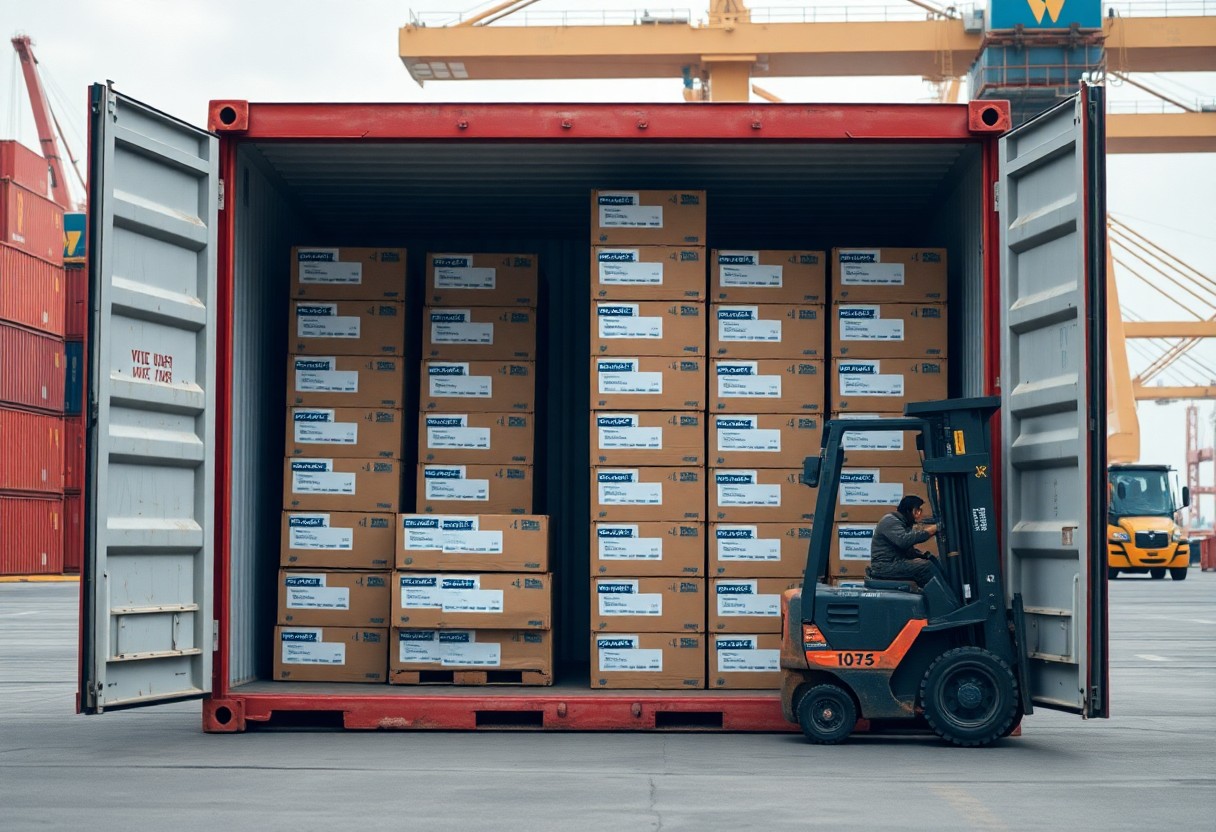
When your bananas leave the plantation they spend 10-14 days at sea in temperature‑controlled reefers set to ~13°C to delay ripening and avoid chilling injury; you depend on strict humidity control and remote telemetry to keep ethylene out until pallets reach the ripening room. For an inside view of urban banana logistics see The Secret Life of the City Banana.
Refrigerated containers, temperature setpoints, and monitoring
In reefers you hold setpoints at about 13°C (55-56°F) with 90-95% RH; swings beyond ±1-2°C trigger automated alarms and intervention. You use ethylene scrubbers, controlled‑atmosphere options and GPS‑linked data loggers that transmit temperature, humidity and shock events so ripening is scheduled only when pallets meet the required thermal history.
Reefer parameters at a glance
| Parameter | Typical value / impact |
|---|---|
| Temperature setpoint | ~13°C – prevents chilling and delays ripening |
| Relative humidity | 90-95% – limits weight loss and shriveling |
| Ethylene control | <0.1 ppm or scrubbers – prevents premature ripening |
| Monitoring | Telemetry + data logger every 1-6 hrs; ±1-2°C alarms |
| Typical sea transit | 10-14 days from Central America to North America/Europe |
| Expected transit loss | ~5-12% depending on handling and delays |
Transit risks, delays, and contingency planning
Port congestion, storms, or container power failures can add days and push spoilage into the 5-12% loss range; you mitigate by contracting backup berthing options, preapproved airfreight for high‑value loads, and terminal‑side generators. You prioritize pallets by thermal history and have rapid ripening capacity ready to convert borderline shipments to shelf‑ready fruit.
Past incidents show that a 3-4 day delay often increases rejects by roughly 50% due to ethylene exposure and fungal pressure; you therefore maintain buffer inventory at ripening sites, run immediate quality checks on arrival, and use triage (salvage ripening, discounted lots, or diversion) to minimize overall waste and cost.
Ocean Freight and Import Handling
Container logistics, transit times, and temperature monitoring
You depend on refrigerated (“reefer”) containers set to 13-14°C with 90-95% RH to keep green bananas dormant; GPS and data‑loggers give you real‑time visibility. Transit runs about 5-8 days from Central America to the US East Coast and 16-22 days from Ecuador to Europe. Ethylene scrubbers and controlled ventilation help, yet a single 1-2°C heat spike or ethylene exposure can shave several days off shelf life.
Key container metrics
| Metric | Typical values & impact |
|---|---|
| Temperature setpoint | 13-14°C for green fruit; below 12°C risks chilling injury |
| Transit time | 5-8 days (Central America→US), 16-22 days (Ecuador→Europe); longer = higher loss |
| Humidity | 90-95% RH to prevent dehydration and weight loss |
| Monitoring & controls | GPS, data loggers, ethylene scrubbers; deviations trigger corrective action |
Port inspections, customs delays, and typical loss rates
When your container hits the port, inspections and customs frequently add 24-72 hours, sometimes up to a week for phytosanitary checks or paperwork errors. That hold exposes fruit to handling damage and temperature fluctuations. Typical additional loss during import handling is about 2-5%, but delays, rejections, or fumigation events can push losses to 10-15%.
A typical 40‑ft reefer carries ~19 tonnes-roughly 1,000-1,200 18.1‑kg boxes-so a 5% loss costs you about 50-60 boxes and 10% is 100-120 boxes per container. Sampling, X‑rays, fumigation, or re‑export requests often force you to rebook ripening rooms or fast‑track fruit, turning timing pressure into measurable spoilage and added cost.
Ripening Rooms & Ethylene Management
You’ll see green bananas enter climate-controlled chambers where technicians raise temperature and inject ethylene to trigger uniform yellowing. Commercial rooms maintain ethylene levels around 100-150 ppm, temperatures typically in the 18-22°C band and 90-95% humidity to avoid desiccation. Automated ventilation, CO₂ control and timed injection cycles cut variability; a single misread sensor can force an entire pallet into the waste stream, so monitoring is relentless.
Controlled ripening protocols and equipment
You’ll rely on PLC-controlled protocols: preconditioning at cooler temps, then staged ethylene pulses with 24-72 hour cycles to hit target color and starch conversion. Forced-air circulation and floor ducts ensure even ripening; some ripeners use catalytic ethylene generators while others inject compressed gas. Data loggers record temperature, RH and gas ppm for traceability and to defend shipments when retailers dispute quality.
Throughput limits, scheduling, and capacity pressure
You face tight throughput: most medium ripening facilities run 2-3 batches per room per week, constrained by a 24-72 hour ripening window and cooling time. When shipments stack up, you either speed cycles (raising temperature, increasing losses) or hold green fruit longer in cold storage, creating inventory bottlenecks that magnify a small delay into a 5-10% spoilage spike.
You coordinate ripening slots to match truck arrivals and store windows; a single 24-hour truck delay can shift scheduling across a room network, forcing you to reroute boxes or advance ethylene and expose fruit to overripe conditions. In practice, inventory turns within 5-7 days post-ripen; facilities report typical loss rates of 3-7% under normal flow, rising past 10% under sustained delays.
Ripening Rooms and Post‑Import Processing
You move green bananas from cold storage into ripening rooms where temperature, humidity and gas are dialed to meet supermarket timing; typical staging windows run from 24-72 hours and in‑room losses commonly range 2-8% but can spike higher during disease or mismanagement, so your ripener is juggling pallets, color targets, and delivery slots around the clock to hit promotions and avoid mass overripe.
Controlled ripening protocols, ethylene dosing, and staging
You dose ethylene to trigger uniform ripening-most operations use about 100-150 ppm for 24-48 hours at roughly 17-20°C, then reduce gas and hold at cooler temps; staging follows a 1-7 color scale, with retailers asking for stage 3-5 depending on shelf life, so you time shipments and ripening cycles to align arrival, display time, and planned markdowns.
Quality checks, culling, and causes of in‑room waste
You inspect boxes on arrival and during ripening, culling fruit for bruises, blackening, fungal spots (anthracnose), uneven ripening or chilling injury; typical cull rates are 2-8%, but a missed infection or a temperature spike can push losses into the teens and force emergency disposal or processing.
You perform box‑by‑box sampling and visual grading, using color charts and firmness palpation while scanners and weight checks flag outliers; in practice a 40‑pallet ripening load might lose 1-3 pallets to culling (about 2-7%), which distributors often redirect to puree or plant‑food channels to recoup value, because discarding fresh fruit directly hits margins and creates logistic headaches; operational errors-overdosing ethylene, a 24‑hour HVAC failure, or unnoticed anthracnose-can turn a planned 48‑hour run into a loss event where hundreds of cartons overripe within a day, forcing expedited markdowns or bulk processing.
Loss Rates, Shrinkage & Quality Control
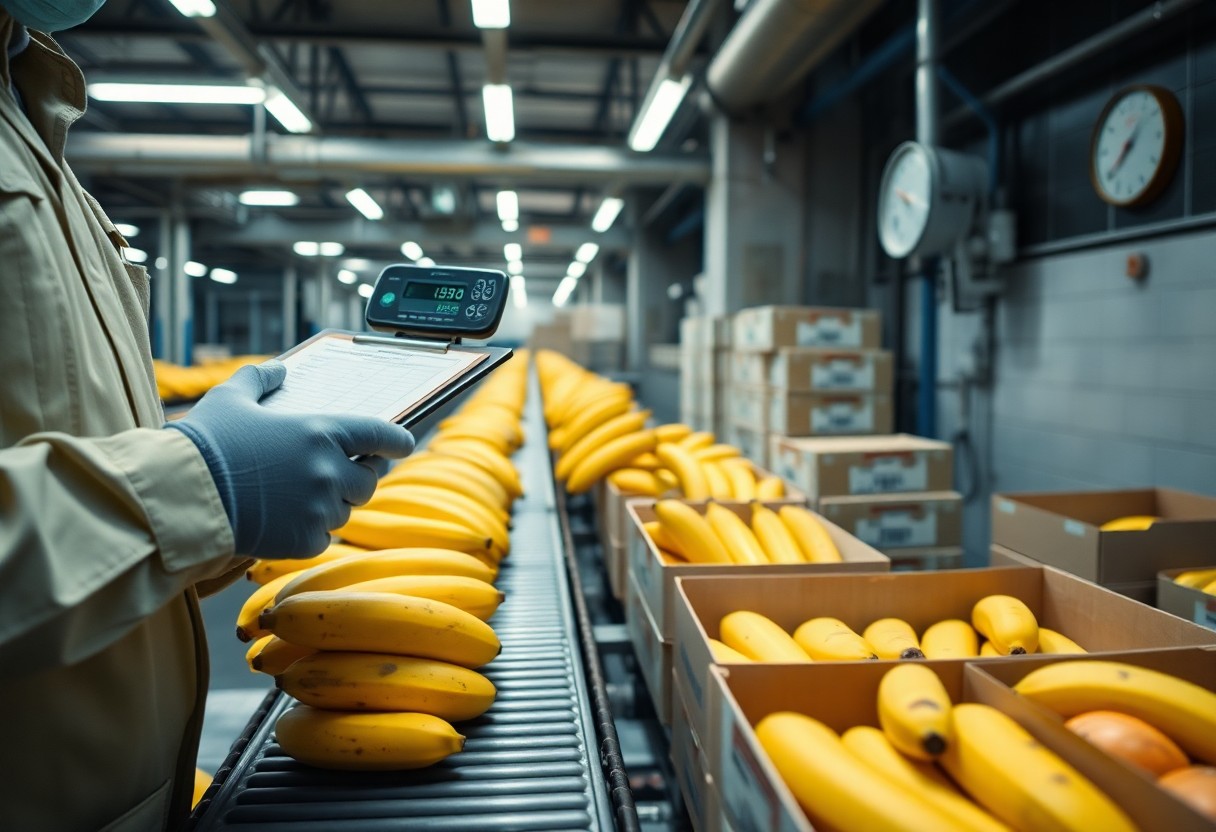
You see losses stack quickly: harvest damage, weeks at sea, and a mis-timed ripening cycle can turn a profitable shipment into waste. Transit from Ecuador to the U.S. often takes 10-14 days, ripening rooms add 2-5 days, and combined chain losses commonly run 10-20% before retail; your scheduling and packout decisions either protect margin or accelerate spoilage. Tight timing pressure means a single delay can shift hundreds of cartons from sellable to shrink in 48-72 hours.
Typical loss points and root causes across the chain
You encounter major loss points at harvest (mechanical damage and insect pressure), packing (overhandling, poor grading), ocean freight (cold-chain breaks, rough seas causing bruises), ripening rooms (ethylene overdoses, uneven humidity leading to mold), and shelf (overripe fruit and misrotation). For example, a single cold shock during loading can increase rot rates by 5-10%, while improper tray stacking at packing can create localized bruising that spreads in the ripener.
Inspection, rejection, and accounting for shrink
You rely on visual checks, firmness sampling, and stage-color grading at packing and on receipt; common rules reject a pallet if defective fruit exceeds 5% on a statistically valid sample. After rejection, you either return, rework, or claim allowance; retailers typically track shrink as a percentage of receipts in ERP systems, with produce shrink targets often set at 3-5% for large chains and higher for smaller stores.
You implement inspection protocols using ASNs, pallet-level barcodes, and a standard sample size (often 32-48 hands per pallet) to decide accept/reject within minutes of arrival. If you reject more than 5%, carriers or suppliers may be charged or issue credits, but operationally that rejection can force a 24-72 hour repalletization and ripening delay that shortens the remaining shelf life; proactive data-temperature logs and photo evidence-wins disputes and reduces net shrink.
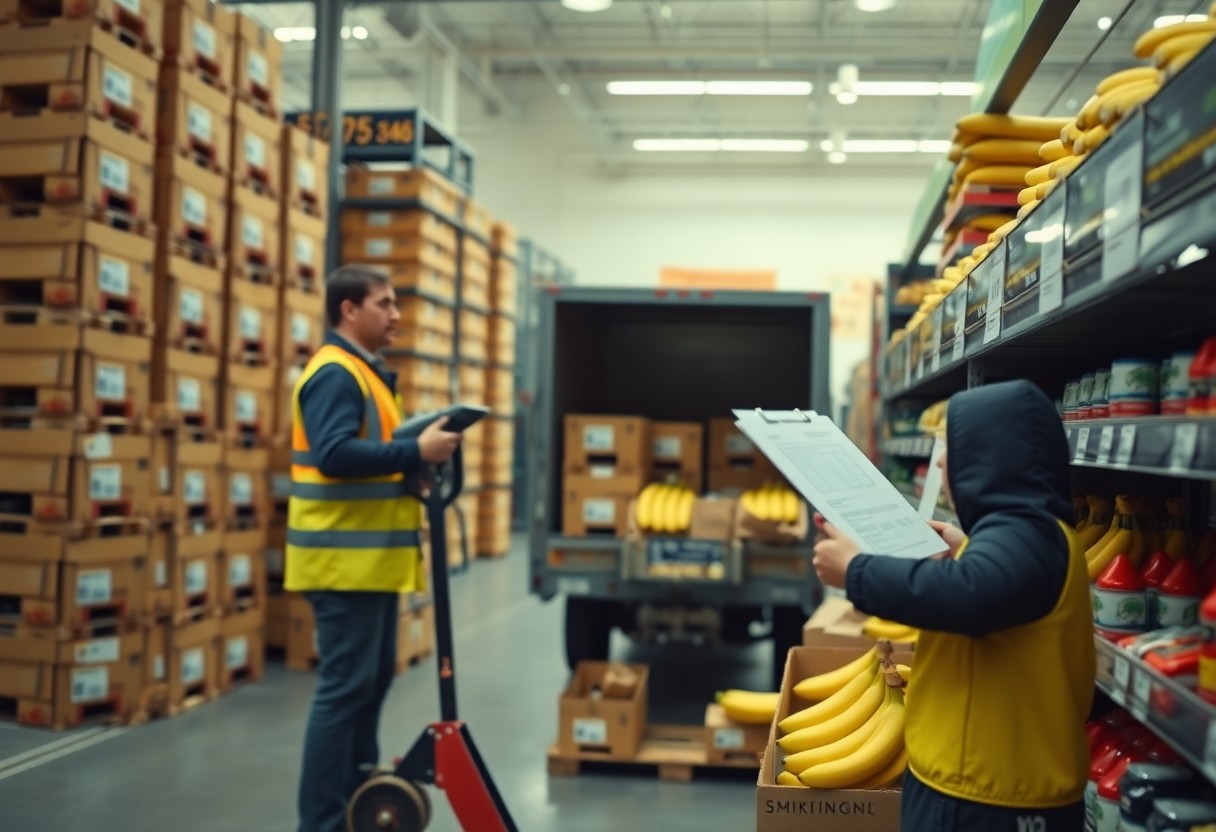
Retail Distribution and Shelf Management
You handle the final squeeze between ripening rooms and customers: pallets arrive green, ripeners schedule ethylene exposure, and you race against loss rates of 5-12% as fruit moves to front‑of‑store. You rely on fast turnarounds and data from the packer; for deeper context see What bananas can tell us about supply chains, which shows how timing pressure and logistics decisions shape on‑shelf availability.
Receiving, stock rotation, display decisions, and timing constraints
When you receive a shipment you check ripeness, assign batches by expected peak sell‑by, and apply FEFO so the most perishable moves first; typical ripening windows run 24-72 hours. You decide case sizes, display density, and whether to hold stock in a ripening room or push to floor-each choice alters shelf life, shrink, and the hourly sales curve during peak shopping periods.
Shrinkage, spoilage patterns, markdowns, and consumer expectations
You see spoilage start at stems and bruise points, with blackening accelerating after peak ripeness; retailers counter with small markdowns to clear fruit within 24-48 hours. Consumers expect uniform yellow fruit, so inconsistent batches force you into faster discounts or lost sales, driving that visible 5-12% shrink that eats margin and inventory accuracy.
Operationally, you can quantify impact: a store selling 10,000 lb of bananas weekly with an 8% shrink loses 800 lb-at roughly $0.60/lb that’s ~$480 lost per week. You reduce this by tighter ripener schedules, smaller case displays, and dynamic markdowns tied to ripeness sensors; but beware of chilling injury if you overcool bananas to extend shelf life, which converts short‑term gains into higher spoilage and customer complaints.
Retail Timing Pressure & Shelf Operations
When you compress sea transit (~10-14 days) with ripening room cycles (2-5 days), you end up with roughly 3-7 days on shelf to sell a banana before quality declines. That tight window forces you to synchronize inbound schedules, ethylene dosing, and store-level rotation; a 48‑hour inbound delay can push your ripeness curve and make shrink leap from ~8% to over 20%. You constantly balance case cuts, display cadence, and daily pulls to avoid mass ripe-outs.
Receiving, backroom storage, and display turnover
When you receive fruit you check pallet temperature (green bananas ship near ~56°F) and stage cases by FIFO; anything above ~62°F often gets flagged. Backroom staging typically lasts 24-48 hours before display, and high-volume stores aim for >6 case turns/week while low-volume stores may only hit 1-2, driving more waste. Gentle handling and multiple daily replenishments keep bruising down and first-shelf freshness up.
Promotions, pricing strategy, and markdown mechanics
Promotions accelerate your sell-through but magnify timing errors: a BOGO or 30% off event can clear inventory fast yet create mass ripe-outs if ripeners and store timing aren’t aligned. You usually plan promotions 7-21 days ahead and set automated markdown triggers tied to ripeness stage or days-in-store. Modest markdowns (10-20%) commonly boost velocity by 30-60%, but without staggered deliveries and tighter replenishment you’ll trade volume for higher shrink.
You mitigate promotional risk by splitting volumes across deliveries-sending 3 smaller shipments over 3 days instead of one 200‑case drop keeps fruit fresher on shelf. Algorithms now use simple triggers like “case age >4 days” or “24‑hour sell‑through <40%” to push markdowns automatically. If you pair a ~15% price reduction with improved facing and daily pulls, you often increase throughput while keeping shrink under 12%, preserving margin through volume rather than deep clearance.
Economics, Contracts, and Risk Management
Margins on a banana are razor-thin: you’re often selling a product that retails for about $0.50-$0.70 per pound after transport, ripening, and shrink. Contracts range from fixed-price forwards to consignment arrangements, and you can see how timing pressure from ripening rooms – which hold thousands of boxes staged for 3-7 days – turns logistics decisions into financial risk. For an investigative view of city distribution and retail pressure, read The Secret Life of the City Banana.
Pricing, contracts, slotting fees, and who bears losses
You negotiate prices that reflect farm gate, freight, ripening, and shrink: farms might get $4-8 per 40‑lb box, freight adds $2-10 per box depending on mode, and retailers add slotting fees that can range from $0 to $50,000+ per SKU in major chains. Contracts often pass spoilage risk to suppliers through chargebacks and short‑date returns, so you as a supplier may absorb 10-25% loss rates unless the deal specifies consignment or shared markdown allowances.
Insurance, forecasting, and strategies to minimize spoilage
You buy perishable cargo insurance and sell‑side policies that cover temperature loss and transit damage, but deductibles and exclusions for improper cold chain control mean claims can be denied. Forecasting error of 10-20% creates most markdowns; you mitigate with smaller, more frequent loads, ripening schedules aligned to store sell‑through, and dynamic pricing to move fruit before peak ripeness.
More operationally, you control spoilage by syncing arrival windows with ripening room capacity: shipping at ~13-14°C (55-57°F) preserves green life, then applying ethylene in ripening rooms at controlled doses (typically brief bursts, around 100 ppm for 24-48 hours) to trigger color change when stores are ready. Cold injury below ~12°C can cause irreversible browning, so temperature deviations are the most dangerous single failure point; insurers will flag lapses and retailers will invoice you for rejects, which is why you layer forecasting, GPS‑tracked reefers, and contractual holdbacks to transfer or share that risk.
Final Words
As a reminder, you now see how a banana’s journey relies on relentless logistics, calibrated ripening rooms and tight timing pressure that balances green harvesting with shelf-ready fruit; you confront loss rates at every transfer, from harvest bruising to transit spoilage, and your purchasing choices ripple back through the chain, altering scheduling, waste and the thin margin that keeps fruit arriving fresh.
Conclusion
Taking this into account, you see how a banana’s journey – from harvest and refrigerated shipping through ripening rooms to store shelves – hinges on tight logistics, precise ethylene control, and intense timing pressure; high loss rates during transport and ripening mean your supply chain decisions directly shape availability, price, and the environmental cost of what ends up in your cart.
FAQ
Q: How does a single banana get from the farm to the grocery shelf?
A: Harvesters cut bananas while green and firm, grade and trim them at a packing station, then pack hands into ventilated boxes with cushioning to minimize bruising. Boxes go into refrigerated containers or reefers for ocean or truck transit, held at temperatures high enough to avoid chilling injury (commonly in the low-mid teens Celsius) and ventilated to prevent ethylene buildup during shipping. At port a distribution center or ripening facility receives the shipment, inspects for damage, and stages boxes for ripening. Controlled ripening turns green fruit to market color over 1-5 days (varies by destination and demand), after which cartons are palletized and trucked to stores. From harvest to shelf the chain typically takes about 10-28 days depending on distance and scheduling; every transfer and handling step is a point where bruising, temperature abuse, or delay can shorten the banana’s usable life.
Q: What exactly happens inside ripening rooms and why is timing so tightly managed?
A: Ripening rooms are sealed, temperature- and humidity-controlled chambers where ethylene gas is introduced to trigger starch-to-sugar conversion and skin color change. Managers dose ethylene for a specified period and monitor temperature (often mid-teens to low-twenties Celsius depending on protocol) and humidity (kept high to limit weight loss). After the ethylene pulse, rooms are ventilated and lowered in temperature to slow further ripening until distribution. Color charts and firmness checks decide when batches are released; ripeners stage throughput to match store delivery windows so fruit arrives at a target market stage rather than too green or overripe. Small timing errors or a cold-chain break can force whole pallets to be discarded or heavily discounted, so schedules are tight and often coordinated to within hours across growers, carriers, ripeners, and retailers.
Q: How much loss occurs along that journey and what causes most of it?
A: Losses vary by region and handling quality but commonly total 10-30% from farm to consumer. On-farm loss stems from field damage, disease or poor grading; transport and handling add bruising, chilling injury, or delays that accelerate ripening; ripening-room loss comes from uneven ripening, overripening, or fungal spoilage; retail shrink results from unsold overripe fruit and trimming for appearance. The biggest drivers are mechanical damage and temperature abuse, plus tight scheduling that leaves little margin for delays. To cope, supply chains use conservative staging, frequent small deliveries, and markdowns to move product quickly, but those strategies also increase operational complexity and still leave a notable fraction of fruit as waste.