Over the past decade, you’ve seen how misshapen fruits and vegetables force grocers to rethink sourcing and pricing: reduced food waste and new price tiers shift your purchasing power, while supply-chain vulnerabilities expose risks to freshness and margins; your choices now drive marketing and sustainability messaging as retailers balance profit and purpose. Learn how these shifts connect to broader ethical markets via The cost of apathy: coffee and the Global South.
Key Takeaways:
- Ugly produce programs change sourcing: retailers relax cosmetic specs and work with more growers to rescue imperfect harvests, reducing supply-chain waste and improving supplier economics.
- Pricing and merchandising evolve: discounted or private-label ugly lines, curated bundles, and targeted promotions convert lower-grade inventory into value-driven offerings that increase transaction size without undercutting premium items.
- Sustainability messaging reshapes consumer behavior: transparent labeling, storytelling, and in-store education reframe aesthetics as environmental impact, boosting acceptance of misshapen produce and strengthening brand loyalty.
Supply‑chain and sourcing dynamics
Across procurement, merchandising and shrink management, ugly produce forces you to redesign forecasts and contracts: you must plan for variable pack‑out, new SKUs and elastic pricing. Globally, up to 40% of produce is wasted, so pushing misshapen lots into retail channels shifts inventory math and margins. Retailers report using dynamic markdowns and dedicated racks to move volumes that would otherwise be discarded, turning a waste stream into a measurable revenue line while tightening cold‑chain and ordering cadence.
Farmer partnerships, contracts, and procurement models
You negotiate new deals that share risk: forward contracts, price‑floor guarantees and quality‑tolerance clauses let farmers sell misshapen lots they once plowed under. Pack‑out losses of 20-30% on some crops become salvageable revenue when you offer volume commitments, on‑farm sorting, or co‑packing. Examples like direct‑to‑consumer ugly‑box brands and retailer-led co‑ops show you can stabilize grower cash flow while keeping shelf prices competitive.
Gleaning, secondary markets, and food‑rescue integration
You integrate gleaning programs and secondary B2B channels-food banks, processors and discount chains-to capture value and reduce landfill costs. Policy moves such as France’s 2016 supermarket food‑waste rules and nonprofit partnerships have scaled rescues; as a result, many grocers divert millions of tons annually from disposal while monetizing or donating surplus. Efficient routing and sorting turn potential loss into community benefit and incremental revenue.
You must also manage the operational realities: cold‑chain costs, sorting labor and food‑safety compliance materially affect margins and donation feasibility. Leveraging the Good Samaritan liability protections and tax incentives in your market lowers legal exposure, but you still need traceability, rapid pickups and dedicated logistics to move gleaned or secondary‑market lots profitably-otherwise handling costs can erase the upside.
Pricing strategies and retail economics
Your pricing playbook treats misshapen produce as both waste prevention and a margin lever. Retailers and subscription players (Imperfect Foods, Misfits Market) routinely price these items at 20-40% discounts
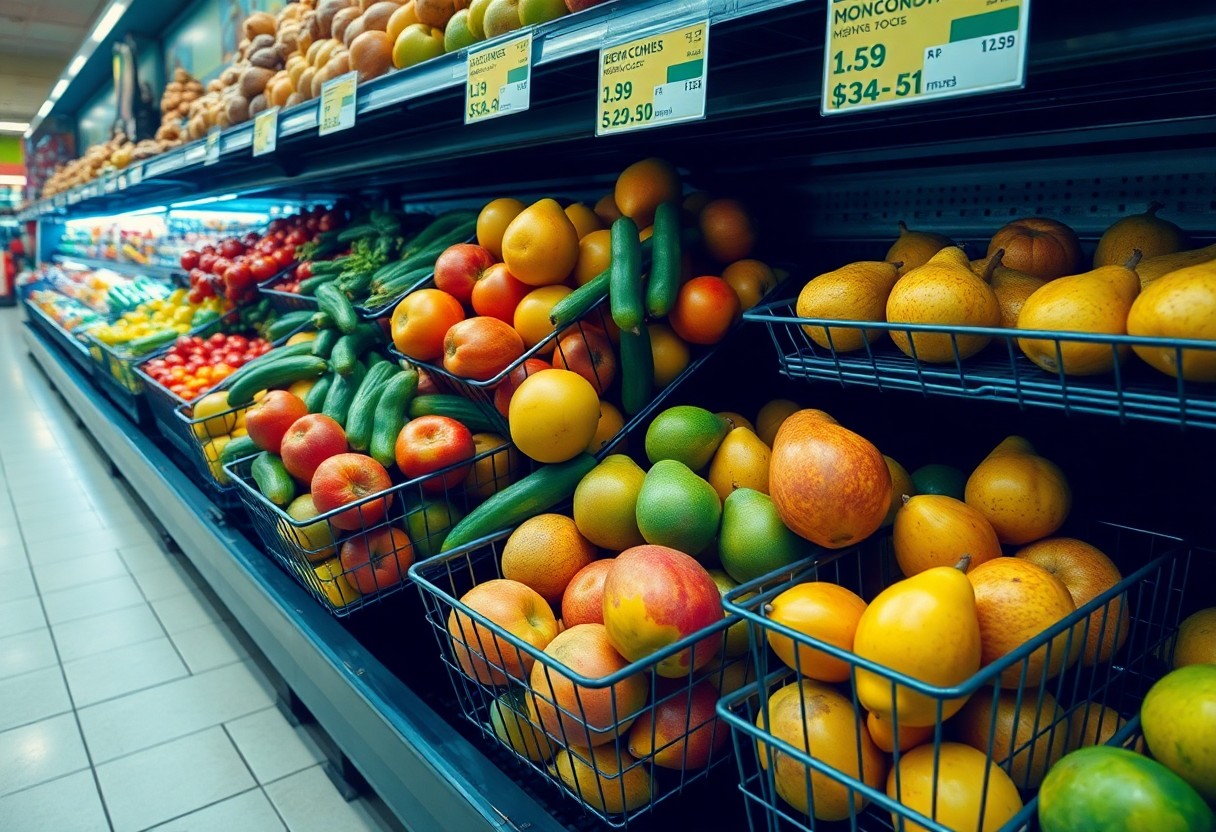
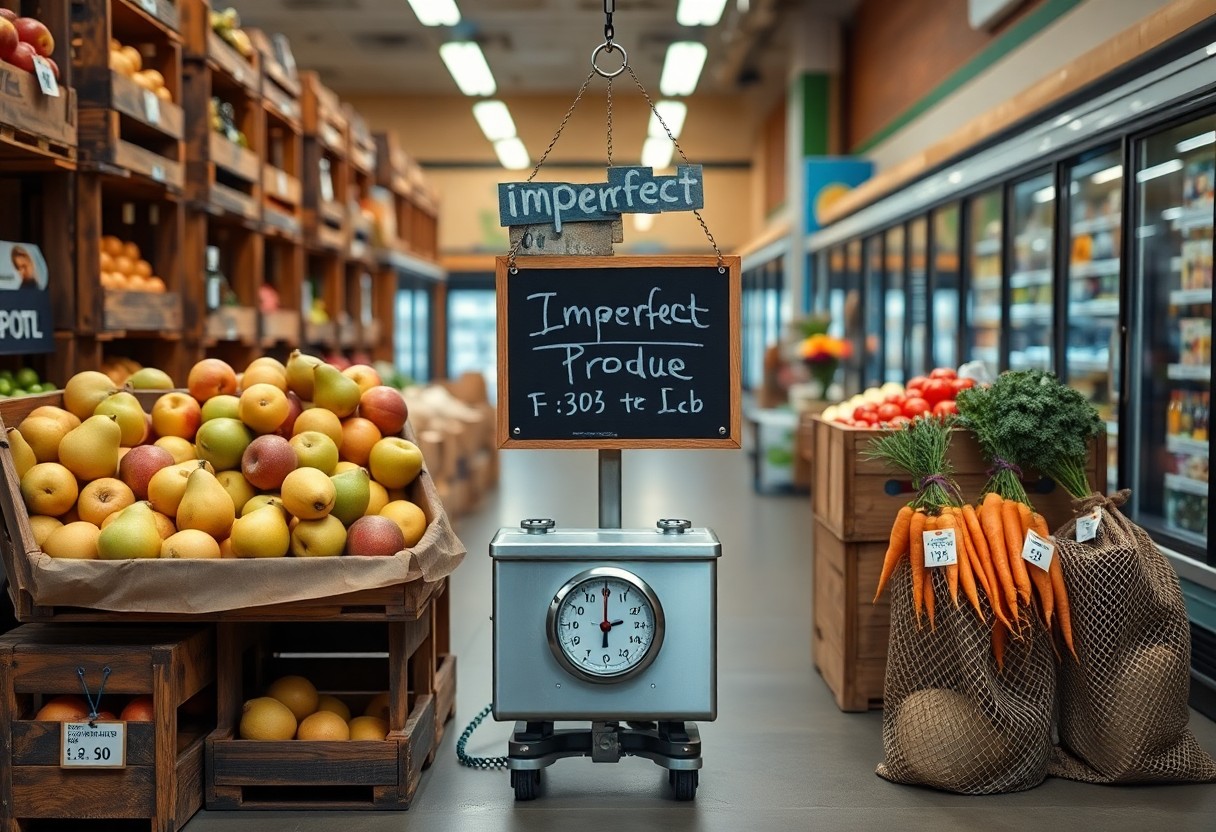
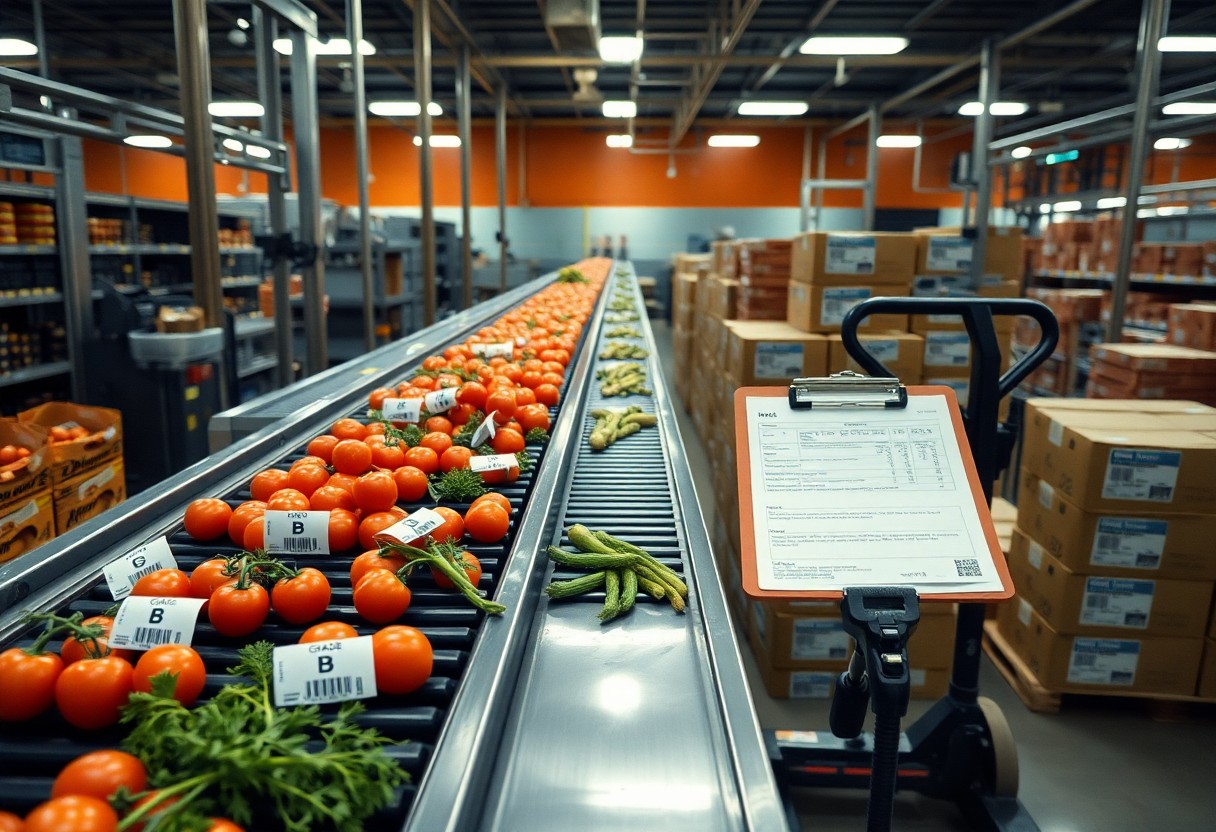
You deploy tiered markdowns, flash discounts and real‑time price tags to clear ugly inventory fast-typical strategies lift sell‑through without eroding full‑price SKUs when executed locally. Many chains pair dynamic pricing with SKU rationalization, dropping low‑velocity items and reallocating shelf space to consolidated wonky SKUs; pilots that removed roughly 10-15% of slow SKUs reported faster category turns and simpler replenishment. You can package misshapen produce under private labels to reclaim margin and control messaging, positioning sustainability as a value proposition rather than a discount story. By creating branded 2-4 lb bags or recipe bundles, retailers capture retailer margin and data on repeat buyers; private‑label programs often push gross margins into the double digits compared with commodity placement and reduce reliance on volatile branded suppliers. Deeper value capture comes from upstream sourcing contracts and SKU design: you negotiate fixed‑price lots with growers for seconds, standardize pack sizes (e.g., 3×1 lb bags) to simplify pricing, and use private‑label marketing to avoid cannibalizing premium SKUs. Additionally, you can extract supplier rebates for steady volumes and bundle ugly produce into meal‑kits or subscription offers, which increases lifetime value and gives you a predictable margin stream. You’ve seen retailers use misshapen produce to recast procurement as a sustainability win: partnerships with growers reduce culls, allow you to offer lower-price SKUs, and create CSR narratives that differentiate your brand. Intermarché’s 2014 “Inglorious Fruits & Vegetables” and U.S. startups like Imperfect Foods proved you can turn aesthetic rejects into revenue while promoting reduced food waste and new sourcing models that appeal to value- and mission-driven shoppers. You should demand lifecycle accounting to justify sustainability claims: about one-third of food produced is lost or wasted, so retailers that publish LCAs and Scope 3 estimates can quantify benefits. Some pilots report 10-25% reductions in produce waste when ugly lines are scaled, and tools like QR codes, third-party verification (e.g., Carbon Trust) and on-pack carbon labels make those savings traceable for shoppers. You risk eroding trust if sustainability language outpaces evidence; vague tags like “eco” or “sustainable” invite scrutiny under evolving rules such as the FTC Green Guides and EU green-claims reforms. Misleading phrasing on ugly-produce pricing or impact can provoke backlash, so prioritize verifiable metrics and transparent sourcing stories to protect your brand from greenwashing accusations. Digging deeper, you should publish clear, comparable metrics-waste diverted (kg), avoided emissions (CO2e), and percentage of imperfect produce in total assortment-to withstand audits and media analysis. Case studies show that when retailers tie ugly SKUs to documented farmer payments and reduction figures, consumer acceptance rises; without that data, you face regulatory risk and potential loss of loyalty from shoppers who increasingly check labels and digital traceability before buying. You’ll see retailers create dedicated bays and tiered pricing so odd-shaped fruit gets its own identity and price point – Intermarché’s 30% off “Inglorious” campaign is a classic case – and your sourcing teams shift lots to shorter contracts and local farms. You can consult the Food Systems for an Urbanizing World for urban demand data that informs these in-store strategies. You should design displays that celebrate imperfection: curated crates, storytelling cards, and lighting that masks cosmetic flaws while highlighting freshness. Sampling and recipe demos often drive trial-many stores report double-digit uplifts when pairing sampling with cross-sell recipe cards-and signage that explains savings and environmental benefits makes shoppers more willing to buy irregular produce. You must weigh protective packaging that extends shelf life against added material waste; retailers experiment with recyclable sleeves, molded fiber trays, and minimal PET clamshells. Life-cycle thinking matters because avoiding food waste can offset packaging emissions, so your decisions should measure spoilage reduction alongside packaging recyclability. You can pilot MAP (modified atmosphere packaging) or perforated films that typically extend shelf life by a few days for delicate produce, enabling longer shelf windows and fewer markdowns. Many chains pair minimal packaging with QR codes linking to storage tips and recipes, which increases conversion and reduces returns; track spoilage rates and packaging recovery to ensure the tradeoff favors net waste reduction. You encounter ugly-produce offers differently depending on what you value: savings, sustainability, or novelty. Retail tests show marketing and price combine to shift uptake quickly – Intermarché’s “Inglorious” crates sold with a 30% discount and massive PR reach, while subscription services like Imperfect Foods and Oddbox target environmentally minded shoppers. With the UN FAO estimating about one-third of food is wasted globally, your purchasing choices are now a lever retailers use to reprice and reframe supply chains. You’ll see four core segments emerge: bargain hunters who demand deep discounts, sustainability-minded buyers willing to pay near-full price for impact, curious foodies attracted to novelty, and institutional buyers seeking cost-effective ingredients. Field pilots indicate you often need a 20-30% price gap to convert strictly price-driven shoppers, whereas eco-motivated consumers accept parity when retailers prove waste reduction and provenance. You respond to ugly produce not just at checkout but in the kitchen: packaging with storage tips, QR-linked recipes, and in-store tastings raise adoption and consumption. Behavioral interventions in studies show combined education and pricing can cut household waste by roughly 10-20%, signaling that one-off purchases can evolve into lasting habits when retailers support reuse and preparation skills. More intensive trials reveal how you form durable habits: repeated exposure plus actionable cues (portion guidance, “use-by” reminders, recipe cards) reduces avoidable spoilage. Retailers that pair ugly-produce bundles with clear storage instructions and meal plans report higher repeat rates; one multi-store pilot found subscription retention rose when boxes included recipes and preservation tips. Over time, your kitchen routines shift, producing measurable reductions in household discard and strengthening retailer claims about sustainability impact. You align sourcing of misshapen produce with the FSMA Produce Safety Rule, third‑party GAP/GFSI audits (GlobalG.A.P., PrimusGFS) and state inspections, because cosmetic defects don’t exempt items from safety oversight. You should note that USDA grading reflects appearance, not safety, and that traceability-lot codes and supplier records-must be maintained for rapid recalls. Marketing “imperfect” claims is allowed, but your point‑of‑sale labeling must still meet net‑quantity and origin disclosure expectations to avoid compliance flags. You control temperatures tightly-generally 0-4°C for leafy greens and 7-10°C for citrus-to protect shelf‑life of cosmetically imperfect items, since broken cold chains accelerate spoilage and pathogen growth. You implement refrigerated trucking, real‑time loggers, and ethylene management, and you plan returns: credits, rapid donation, or composting within specified hold windows to limit shrink; industry estimates put retail produce waste at roughly up to 30% without such controls. You deploy specific operational tools: data loggers that sample every 5-15 minutes, RFID or QR lot tags for 100% traceability, and humidity control (90-95% RH for many greens). You often use dynamic pricing or 24-48‑hour markdown windows to move inventory, and set SOPs that route unsold but safe cases to donation within your local regulatory timeframes-these steps cut shrink and protect brand trust when you sell “ugly” produce. Conclusively, as you shop and shape store expectations, “ugly” produce is shifting sourcing strategies, nudging lower prices, and reframing sustainability messaging so you evaluate value beyond appearance; research-backed programs such as Business Solutions That Help Cut Food Waste – Baker Library show how operational changes reduce waste and influence your buying behavior, proving cosmetic standards no longer dictate quality or market success. A: Retailers are reworking sourcing practices to capture yield that used to be rejected at farm gates. Rather than strict visual specifications, many grocers now negotiate contracts that pay for volume or grade rather than perfect appearance, use aggregation centers to sort and reclassify misshapen items, and partner with grower cooperatives to schedule harvests that prioritize total yield. Some chains invest in on‑site or partner packing facilities that separate produce into aesthetic and utility streams, letting imperfect items feed prepared-food lines, private‑label products, or discounted bulk bins. Technology-better forecasting, image-based grading and traceability-helps coordinate these flows so supply matches demand without overflowing backrooms. The net effect is higher farm income per acre, fewer crops plowed under, and a more complex but resilient sourcing network that treats appearance as one of several value drivers rather than the gatekeeper for market access. A: Stores deploy distinct pricing and merchandising strategies to make imperfect produce profitable and attractive. Common tactics include fixed discount racks, bundled “wonky” packs, limited-time markdowns, and integration into value‑line private labels; dynamic pricing through loyalty apps or shelf sensors further eliminates unsold inventory. Merchandising often emphasizes practical attributes-taste, ripeness, and price-per-serving-rather than looks, and pairs ugly produce with recipes, samples, or chef endorsements to reduce perceived risk. Economically, reduced shrink and better yield utilization offset lower unit prices, while increased basket penetration from bargain-seeking shoppers can raise overall sales. When retailers share supply-chain savings with consumers and create clear signage, imperfect items stop being an outlier and become a complementary SKU that attracts price-sensitive and sustainability-minded buyers alike. A: Sustainability narratives have become a central tool for normalizing imperfect produce. Retail campaigns that explain the environmental and social benefits-fewer tons sent to landfill, lower embedded water and fertilizer waste, and support for local growers-raise consumer willingness to buy items that look odd. Research in behavioral science applied on retail floors shows that simple messages, social proof (e.g., “most shoppers prefer lower-waste choices”), and recipe-driven displays increase acceptance, particularly among younger and urban shoppers. The trend also nudges broader behavior: shoppers are more likely to plan meals around produce that’s perfectly edible but visually irregular, and loyalty-program incentives tied to low‑waste purchases reinforce repeat buying. For retailers, ugly-produce programs feed sustainability KPIs and reporting, create new community-donation pathways for surplus, and shift norms so appearance becomes a marketing attribute rather than a default quality filter.Discounting, dynamic pricing, and SKU rationalization
Private‑label opportunities and value-capture mechanisms
Sustainability messaging and corporate positioning
Environmental impact claims, transparency, and lifecycle accounting
Risks of greenwashing and building consumer trust
Merchandising, packaging, and in‑store experience
Visual presentation, sampling, and signage strategies
Packaging innovations and waste tradeoffs
Consumer behavior and demand formation
Segmentation, motivations, and willingness‑to‑pay
Education, habit formation, and long‑term food‑waste outcomes
Regulatory, logistical, and quality‑control considerations
Food‑safety standards, labeling, and compliance implications
Cold‑chain, transportation, and returns management
Final Words
FAQ
Q: How is “ugly” produce changing how grocery stores source fruits and vegetables?
Q: How does the pricing and merchandising of imperfect produce affect store economics and consumer choices?
Q: How are sustainability messaging and consumer behavior shifting because of ugly produce initiatives?