Many times you assume product placement is neutral, but your choices are shaped by contracts, slotting fees and retailer strategies that prioritize brands that pay for eye-level placement and can reduce shelf variety; this pay-to-play system can be harmful to smaller producers and to your access to choice while sometimes delivering lower prices for promoted items. Learn how brands compete, how pricing and availability shift, and why outlets like The war behind grocery store shelves – Marketplace.org matter to your shopping strategy.
Key Takeaways:
- Shelf placement is controlled by category managers using planograms, sales and shopper-data, space-allocation rules, and contractual slotting terms to decide which products and how much space each brand receives.
- Brands compete for eye-level and endcap positions through slotting fees, trade promotions, co-op advertising, and sales-performance guarantees; prominent placement reliably boosts visibility and sales, reinforcing market leaders.
- Placement influences pricing and availability: premium shelf space raises marketing costs that can be passed to shoppers, limits assortment for smaller brands, and increases impulse purchases and retailer margin opportunities.
Shelf placement fundamentals
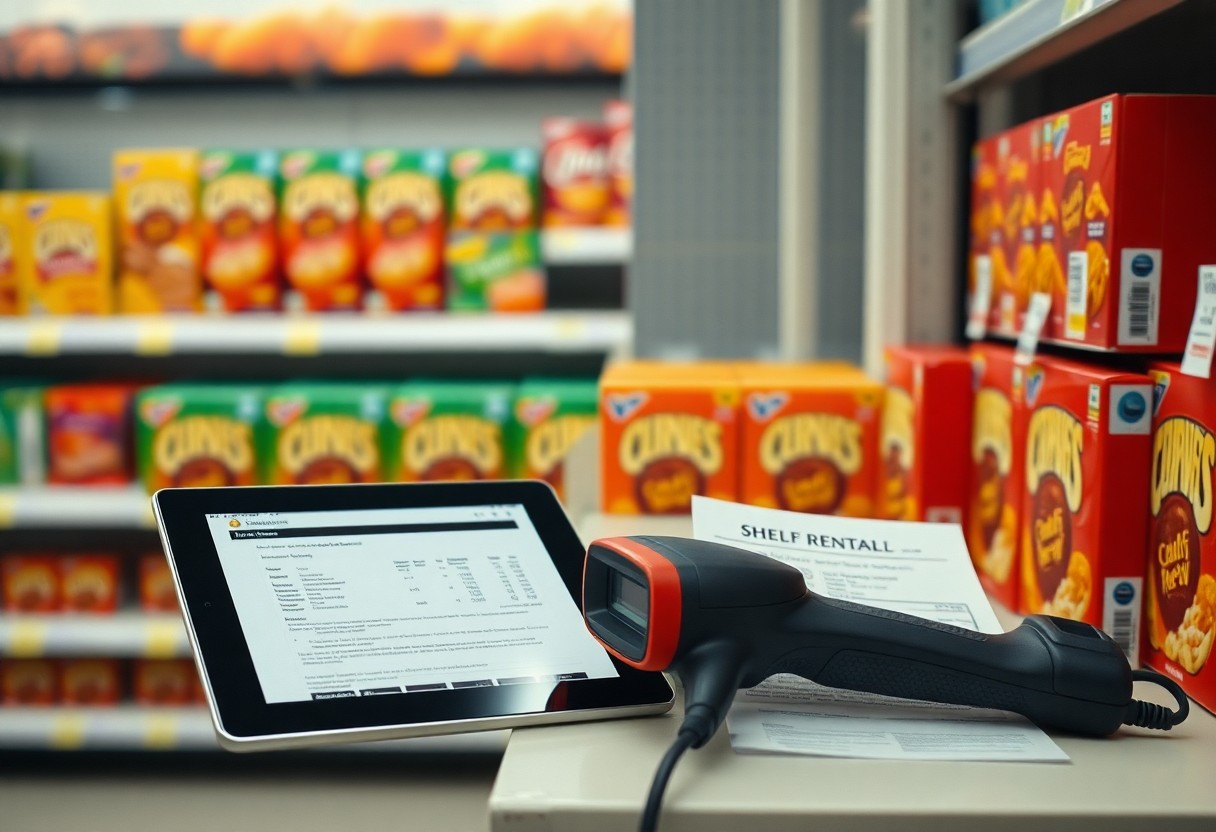
Shelf location-especially the eye-level band (≈42-60 inches)-often delivers the biggest lift, with studies reporting up to a 20-30% sales increase for SKUs placed there. You’ll encounter limited linear feet and competing brands bidding for facings, so retailers use metrics like sales-per-linear-foot and turnover to assign space. Be aware that pay-to-play slotting fees and limited facings can skew assortment toward larger suppliers, driving differences in price, promotion frequency, and on‑shelf availability for shoppers.
Planograms, category roles, and space allocation
Planograms translate strategy into shelf by mapping facings, shelf height, and adjacencies; category roles-destination, routine, traffic-builder, and seasonal-dictate how much linear space each role receives. You’ll see top SKUs often given 3-6 facings while long-tail items get one, and retailers allocate space based on sales-per-foot and margin targets. In practice, this means your favorite national brand may pay for extra facings or promotions, influencing both shelf price dynamics and the likelihood an item is stocked.
Store layout, sightlines, and product adjacency
Sightlines and gondola height determine which products capture attention as shoppers move; stores design flow (often routing you past fresh and high-margin zones) to maximize exposure. Endcaps and front-of-aisle placements create outsized impact-endcaps can boost promotional sales substantially-while adjacency (placing mixers near spirits, chips near salsas) increases cross‑sell rates and basket size. Your path through the store and what you see first directly shape impulse buys and perceived price value.
More detail: retailers now use heat maps and loyalty‑card data to quantify where shoppers pause and which adjacencies drive lift, often finding double‑digit percentage increases when complementary items are colocated. You’ll notice category resets that move high‑margin items into high-traffic sightlines during promotions, and software-driven planogram changes can rotate facings weekly. The result: your choices, prices, and out‑of‑stock experiences are tightly linked to these tactical layout decisions and negotiated space allocations.
How brands compete for space
Companies fight for eye-level because you notice those products first; some retailers report facings at that height can deliver a 20-40% sales lift. National brands buy endcaps, co-op ads, and paid displays while niche vendors pitch local assortment and social-media pull – see How niche brands got into your local supermarket. You end up paying for those negotiated trade-offs in selection and price.
Slotting fees, promotional allowances, and trade terms
You often face the downstream effects of slotting fees that range from $1,000 to $250,000 per SKU depending on chain and category; allowances, co-op ads, and promotional funding commonly add another 5-15% of annual sales. Smaller brands negotiate pay-for-placement, volume rebates, or short-term discounts to secure facings, which retailers then convert into price promotions that influence your choices.
Private labels, category captains, and emerging-brand strategies
When you compare prices, private labels often undercut national brands by 10-30% and occupy prime planogram space; category captains (large suppliers like P&G or Unilever) can shape assortment, shelf facings, and promotional calendars. Emerging brands counter by targeting regional chains, data-driven pilots, or niche endcaps to win a foothold in your store’s limited shelf real estate.
You should know category captains influence planograms and can recommend delisting rivals, so offering a guaranteed incremental sales lift, scanner-data snapshots, and targeted in-store demos helps your brand compete. Partnering with distributors for faster replenishment, funding short-term price cuts, or proving repeat purchase via loyalty-card data are practical tactics that increase your odds of gaining and keeping valuable facings.
Pricing implications of shelf decisions
When you shop, shelf placement directly shapes price signals and availability: products at eye level often deliver a 20-50% sales uplift, so manufacturers fund that visibility through higher marketing spend or slotting payments, which retailers may recover via price or reduced promotional depth. See how empty shelves affect conversions in Why Shoppers Walk Away: The Hidden Cost of Empty Shelves …, and note that those recovery mechanics flow into what you ultimately pay.
Cost pass-through, promotional mechanics, and price tiers
Manufacturers frequently cover shelf access via slotting fees or promotional allowances, and you feel that as either higher everyday prices or fewer temporary markdowns; chains using EDLP like Walmart trade off frequent promotions for steady pricing, while high-low retailers such as Kroger use promotions to compensate brands for prime placement. Promotional mechanics-coupons, buy-one-get-one, co-op funds-mean you may see lower advertised prices but higher baseline prices across tiers.
Premium positioning, price perception, and margin tradeoffs
If you pick a premium SKU, its shelf position reinforces perceived value: eye-level organic or specialty items often carry 5-15 percentage points higher margins than private label, allowing brands to justify price premiums; however, that margin depends on sustained velocity, and you pay for both visibility and the risk of slower turnover.
Retailers balance margin and turnover by testing placement: a premium granola placed at eye level might retail at $6.99 versus a $3.99 store brand on the bottom shelf, delivering a 30% weekly sales lift during a paid endcap campaign but requiring ongoing promotional support to maintain velocity. As you compare prices, note that higher shelf rent or paid displays translate into either higher prices or shorter promotional windows for your favorite items.
Effects on product availability and assortment
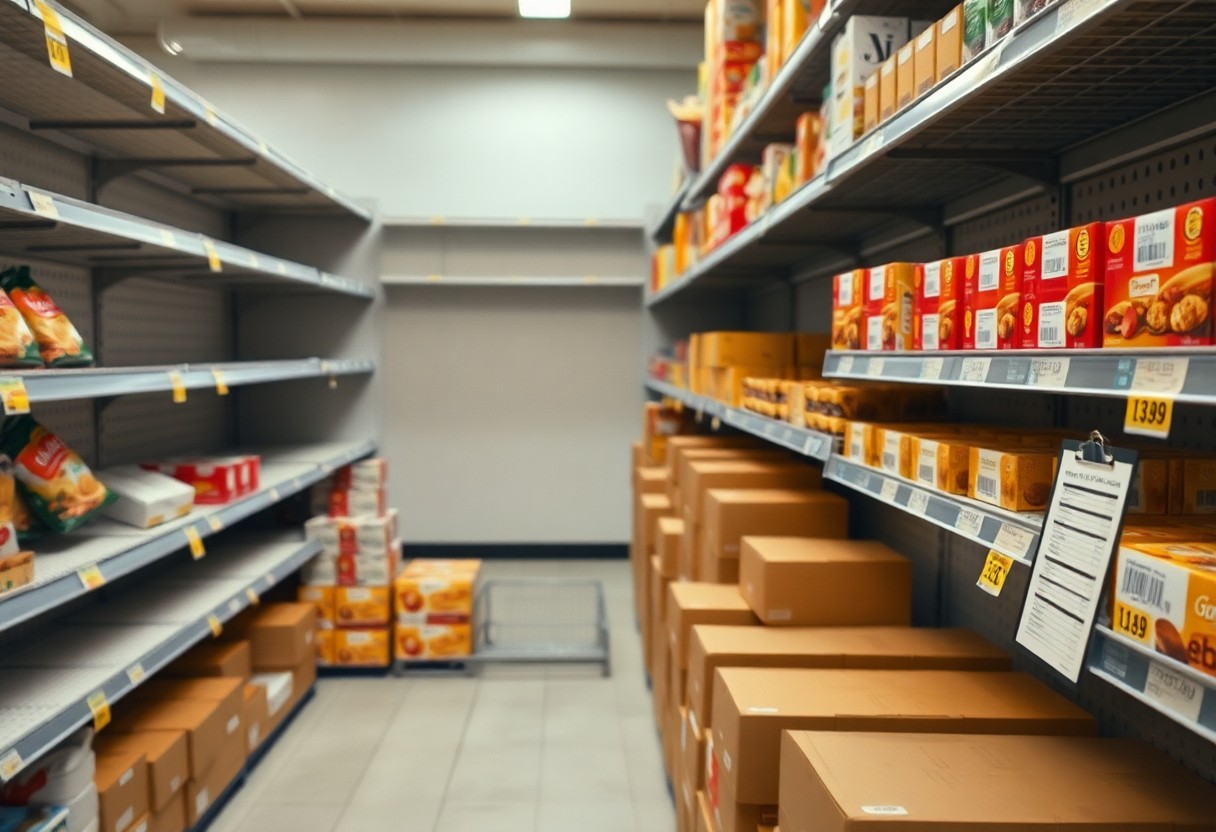
Those shelf-space choices directly shape what you can buy: facings, endcaps, and planogram priority determine visibility, so the top 20% of SKUs often drive roughly 80% of category sales. Suppliers that secure eye-level slots or paid promotions crowd out lower-velocity items, and as a shopper you see narrower selection, more private‑label prominence, and faster turnover that ties availability to shelf economics rather than pure consumer preference.
SKU rationalization, delisting, and replenishment policies
Retailers routinely prune assortments to boost turns, with many chains trimming an estimated 10-25% of slow-moving SKUs annually; you notice delistings when items fail velocity thresholds. Automated replenishment (MIN/MAX, EOQ, shelf-scanning triggers) prioritizes high-turn items, while planogram resets reallocate facings away from niche products, so your favored small‑brand flavor can lose presence even if it retains a loyal base.
Regional assortment, seasonality, and supply-chain constraints
Your local assortment reflects demographic targeting, store format, and logistics: spicy regional flavors, ethnic brands, and limited-run seasonal SKUs get priority in matching demand. Seasonality shifts-pumpkin and baking lines in Q4, grilling SKUs in May-August-reshape facings, and when supply‑chain constraints (port delays, weather, cold‑chain limits) occur, retailers substitute or truncate assortments, making your store’s shelf materially different from the national planogram.
In practice, category teams standardize core ranges while localizing roughly 10-40% of SKUs to fit regional tastes; fresh departments can rotate even more across seasons. You saw this during major disruptions when retailers temporarily removed 10-30% of nonimperative SKUs to protect staple availability. Operational levers-regional buying, shipment prioritization, and expedited replenishment-translate directly into whether you find niche items, seasonal offerings, or only the dominant national brands on your shelf.
Shopper psychology and merchandising tactics
You process shelf displays in seconds, so retailers design layouts to guide those split‑second choices: brands pay for eye‑level positions and planograms allocate space based on velocity and margin, meaning your favorite name‑brand might be placed where it sells fastest, not cheapest. Studies show placement lifts vary by category-often in the 20-50% range-so shelf decisions directly affect what you see, what you pay for, and which products remain stocked.
Eye‑level bias, choice architecture, and impulse triggers
You gravitate to the middle shelves because your visual attention concentrates there; manufacturers exploit that with premium listings and shelf talkers. Because you scan a gondola in roughly 2-3 seconds, items at eye level benefit from a measurable sales lift-commonly 20-40% depending on aisle and category-so promotions and packaging are engineered to trigger immediate choice rather than deliberation.
Endcaps, cross‑merchandising, and checkout placement
You encounter endcaps and cross‑merch displays during path flow, and those placements are sold as high‑impact real estate: endcap promos can boost category sales by 20-60%, cross‑merchandising raises add‑on rates, and checkout queues capture up to 50% impulsive buys. Retailers price these positions accordingly, often charging brands thousands to tens of thousands for short‑term prominent exposure.
You can see this in practice when chips sit beside salsa or razors beside shaving cream: placing complements within a couple meters typically increases add‑on conversions by 12-25%, while themed endcaps for holidays or sports events can double turn rates for featured SKUs. Be aware that checkout zones and small‑item displays intentionally exploit impulse tendencies, and that those high‑margin placements are regularly rotated and auctioned to maximize both manufacturer spend and retailer profit.
Measuring value and optimizing shelf economics
You translate inches into dollars by combining velocity and profitability: convert SKU sales into sales‑per‑linear‑foot and compare with margin‑per‑square‑foot to decide swaps, promotions, or delists. Use a 13‑week rolling window to smooth seasonality, set target bands (top SKUs often exceed $2,000-$5,000 per linear foot annually, long tail may be < $200), and track lift after relocations so your shelf mix balances short‑term revenue with long‑term assortment health.
Sales‑per‑linear‑foot, margin‑per‑square‑foot, and lift analysis
Compute sales‑per‑linear‑foot as SKU dollars divided by allocated shelf feet and layer in gross margin to get margin‑per‑square‑foot; then run lift analysis by moving SKUs between levels and measuring percent change in unit sales-eye‑level moves commonly deliver 10-30% lift in many CPG categories. You must adjust for cannibalization across nearby SKUs and promotion overlap so the apparent lift reflects true incremental profit, not just internal share shifts.
Data sources and experiments: POS, loyalty, heatmaps, and A/B tests
Daily POS gives you SKU‑level truth on price and velocity, loyalty links purchases to household segments and elasticity, in‑store heatmaps quantify frontal contact and dwell time, and controlled A/B tests measure causality and cannibalization; combine these so your shelf moves are driven by actionable, testable evidence rather than intuition.
You should treat POS as the baseline-use daily sales, price, and promo flags with a 13‑week baseline and holiday adjustments. Then segment with loyalty to calculate price elasticity by household (often covering 20-40% of transactions), overlay heatmap attention rates to rank eye‑level value, and run store‑level A/B tests (typical run 6-12 weeks, minimum ~20 stores per cohort). In practice, one regional chain’s 40‑store test showed an ~8% incremental lift with ~3% cannibalization, so you validate net gains before reallocating permanent space; always anonymize loyalty data to protect privacy and avoid sampling bias.
Conclusion
Presently you can see how slotting fees, planograms, and retailer-manufacturer bargaining determine shelf placement and why brands fight for eye-level positions; those decisions shape the prices you pay and the products available to you. Understanding this economic logic lets you evaluate value beyond prominent placement, adjust your shopping choices, and push for clearer pricing and assortment practices.
FAQ
Q: How do grocery stores decide which products go on which shelves?
A: Stores use category management and planograms to allocate shelf space based on sales data, margins, inventory turnover and strategic goals for each category. Category captains (usually the largest suppliers) and retail analysts model space elasticity-how changes in facings affect sales-and set optimal facings for high‑velocity SKUs versus specialty or seasonal items. Decisions also account for store format, shopper demographics, supplier contracts (including slotting fees and promotional funding), planogram software, and supply‑chain constraints. Merchandising teams balance maximizing profit per square foot, reducing out‑of‑stocks, and meeting marketing partnerships when they design shelf layouts and determine how many facings each SKU receives.
Q: Why do brands pay for eye‑level shelf space and how do they compete for it?
A: Eye‑level positions get disproportionate attention and conversion because of natural sight lines and quicker decision times, so brands treat those slots as high‑return marketing. Competition takes the form of negotiated slotting allowances, promotional discounts, co‑op advertising, temporary in‑store display funding, exclusive pack or flavor deals, and performance guarantees. Brands provide category insights, sales lifts from past promotions, and trade funds to secure prime placement; retailers weigh incremental sales and margin against the funds offered. Smaller brands may trade deeper discounts, better logistics, or in‑store demo support to compete, while private labels and top national brands often use a mix of negotiated placement and data‑driven proof of lift to win eye‑level facings.
Q: How does shelf placement affect pricing and product availability for shoppers?
A: Shelf placement influences perceived value, promotional exposure and replenishment priority, which in turn affect price and availability. Prime facings often carry higher shelf prices or premium SKUs because they deliver higher sell‑through and justify promotional investments; conversely, lower or upper shelves may house discounted, slow‑moving or niche items. Limited facings concentrate demand and can produce faster stockouts for popular items, while strategic placement of private labels increases their traction and can pressure national brands to cut prices. Retailers also use assortment optimization to reduce SKUs that underperform in key positions, which can narrow choices but lower prices through higher volume buys. The net effect for shoppers is that visibility drives what sells and what’s replenished most quickly, shaping both the observed price structure on shelf and the range of options available at any given time.