This guide helps you learn what to buy and how to plan so you can shop confidently, save money, and eat well; set a weekly budget, build a simple meal plan, and fill your cart with versatile staples like rice, canned beans, eggs, frozen vegetables, and whole-grain bread. Pay attention to food safety to avoid cross-contamination and check dates on perishables, and use the linked discussion Grocery Shopping For Complete Beginners? for extra tips to simplify shopping and reduce waste while you develop your routine.
Key Takeaways:
- Plan meals and make a categorized shopping list so each trip covers multiple recipes and reduces waste.
- Stock versatile, budget-friendly staples: rice/pasta, canned beans/tuna, eggs, frozen vegetables, basic spices, and long‑life dairy alternatives.
- Shop smart: set a budget, compare unit prices, buy seasonal produce, use apps/coupons, and stick to your list to avoid impulse buys.
How to Plan Your Grocery Shopping
Schedule trips weekly to cut waste and overspending; aim for one big shop and one small top-up per week, or two trips if you live alone. You can lower costs by 20-40% when buying seasonal produce. Limit shopping to 30-45 minutes to stay focused, and avoid shopping hungry to reduce impulse purchases.
Creating a Budget
Set a monthly grocery cap-many students start with $150-$250/month; break it into weekly amounts like $35-$60. You should allocate roughly 30% to proteins, 30% to fresh produce, 20% to staples (rice, pasta), and 20% to dairy/snacks. Track receipts for two months to spot where you overspend, and shift funds rather than cutting crucials.
Making a Shopping List
Start by checking your pantry and fridge-write specific quantities (e.g., 2 lbs chicken, 1 dozen eggs). Organize the list by store layout: produce, dairy, meat, aisles, frozen; that saves time and reduces backtracking. Use a phone app or a simple checklist, and tag items as must-buy vs nice-to-have to prevent impulse buys.
Create a master staples list (rice, pasta, canned tomatoes, olive oil) and add weekly meal ingredients; plan 3-5 meals and note portions per person. You should check unit prices (price per 100g or per ounce) and compare brands; buy in bulk only if you’ll use it before it expires. Example: buy 1 kg rice, 2 lbs chicken, 6 bananas, 1 container yogurt, and freeze extra meat to avoid waste.
Factors to Consider When Grocery Shopping
When shopping, weigh your budget, meal plan, and storage capacity-aim for a weekly spend like $40-$80 depending on location and needs. Compare unit price, scan labels for nutrition and allergens, and avoid buying too many perishables at once; see What are the things that a beginner must know before … for more starter tips. After set a 30-60 minute time limit per trip to cut impulse purchases.
- Budget – weekly target, coupons, and unit pricing
- Meal plan – buy ingredients that serve multiple recipes
- Storage – fridge/freezer space and shelf life
- Unit price – compare per-ounce or per-item costs
- Perishables – buy last to avoid spoilage
Dietary Preferences
You should tailor your list to dietary needs: if you follow vegetarian or vegan diets, stock versatile protein sources like canned beans, lentils, tofu, and frozen edamame; if you have allergies, prioritize clearly labeled, certified-free items and single-ingredient basics. Track portions with a cheap kitchen scale and plan ~20-30 g of protein per main meal if you’re aiming to maintain muscle or satiety.
Seasonal Products
Buying seasonal produce often cuts costs by about 20-50% and delivers better flavor-think strawberries in June-July, tomatoes in August, apples from September to November; shop farmers’ markets or weekly flyers for the best savings.
When you buy in-season, buy a bit extra and preserve: freeze berries whole (they keep 6-12 months), blanch and freeze green beans for best texture (2-3 minutes blanch, then ice bath), and store root vegetables in a cool, dark spot to extend life by weeks. Plan recipes around a bulk purchase-make sauces, soups, or jams to stretch value and reduce waste while maximizing freshness and food safety.
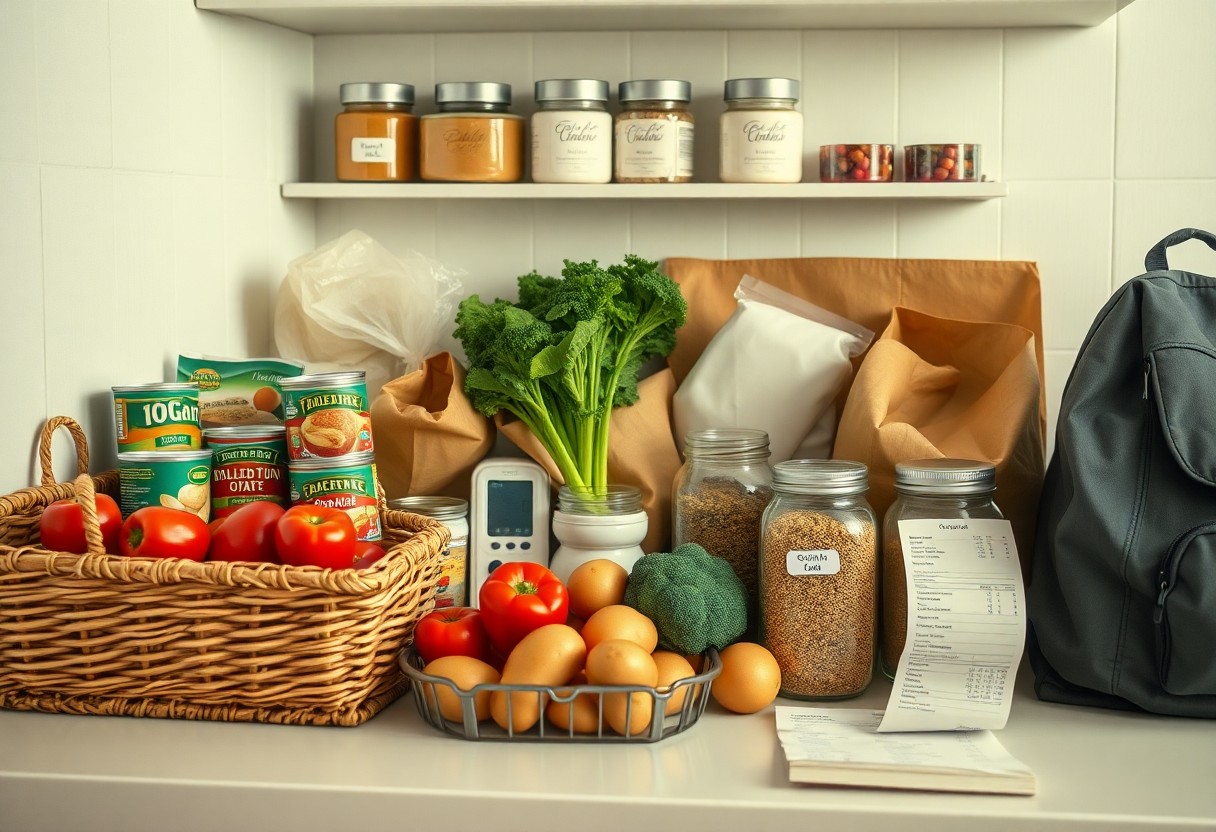
Tips for First-Time Shoppers
Plan for meals and build a categorized shopping list, set a weekly budget like $40-$80, and compare unit price per ounce to find the best value. Bring reusable bags and a cooler for frozen buys, and always check expiration dates on dairy and deli items. Limit trips to one main weekly shop plus a short top-up to cut waste; use store apps for coupons to save 10-30%. Thou follow your list and skip impulse aisles.
- Shopping list organized by meal and aisle
- Budget target per week: $40-$80
- Compare unit price on shelf tags
- Check expiration dates on perishables
- Use reusable bags and a small cooler for cold items
Choosing the Right Store
You can save by matching store type to your needs: discount chains like Aldi or Lidl often beat big-name grocers by 15-40% on staples, while a full-service supermarket gives wider produce choice and loyalty discounts. Farmers’ markets may offer seasonal quality and lower per-pound prices on in-season items. Factor in travel time and delivery fees-apps add about $3-$7-so pick the store that balances price and convenience for your weekly plan.
Navigating the Store Layout
Start at the perimeter where fresh produce, meat, and dairy live, since those sections supply most of what you need for a healthy week. Middle aisles contain pantry staples-compare package sizes and unit prices there. Load heavy items low and fragile ones on top to protect produce, and watch for impulse buys near checkout by sticking to your list to save time and money.
Use aisle signs or a quick store map to plan a 20-30 minute route: produce → bakery → proteins → frozen → pantry reduces backtracking. Read shelf tags for per-unit costs (a 32‑oz jar often beats a 16‑oz), and check endcap deals carefully-some are genuine bargains, others are marketing bundles; always check the per‑serving cost and sell-by dates before buying multiples to avoid waste.
What to Buy: Essentials for Beginners
Focus on versatile, budget-friendly items that let you cook 5-7 meals per week: buy a 2 lb bag of rice, 1 lb pasta, 4 cans of beans, 1 can (28 oz) crushed tomatoes, 1 bottle (16-25 oz) olive oil, a dozen eggs, 1 jar peanut butter, oats, and basic spices (salt, pepper, chili). Include frozen vegetables and 1-2 proteins (chicken thighs or tofu) to stretch meals; prioritize versatile staples and avoid impulse snack buys.
Pantry Staples
Stock long‑lasting basics that form the backbone of quick meals: buy 2-5 lb rice, 1-2 lb pasta, 4-6 cans (15 oz) of beans, 2 cans tomato products, 16-24 oz oil, 1 lb oats, 1 jar (16 oz) peanut butter, flour and sugar if you bake, plus spices like garlic powder and paprika. Keep low‑sodium canned options and check expiration dates to avoid waste.
Fresh Produce
Prioritize 3-5 types of produce that you’ll eat each week: buy bananas (3-7 days), apples (up to 4 weeks refrigerated), a head of lettuce or 5-7 oz bag of spinach (3-7 days), carrots (2-3 weeks), and one seasonal item like berries or citrus. Choose frozen berries or vegetables if you won’t use fresh within a few days; soft berries spoil fastest-use within 2-3 days.
Store produce to extend life: keep apples separate from leafy greens, store herbs in a jar with water, and put berries on the fridge’s top shelf. Buy frozen peas or corn for $0.99-$2 per bag on sale to cut waste. Aim for at least 3-5 servings of fruits and vegetables daily; plan recipes that reuse the same item twice-roast a tray of carrots for two meals, then add leftovers to salads.
Saving Money While Shopping
Pair smart planning with timing: check weekly flyers and compare unit prices so you pick the cheapest option by weight or volume; opt for store brands that are often 20-30% cheaper than name brands; avoid pre-cut produce and single-serve items, which can cost 30-50% more; and stick to your categorized list to prevent impulse buys that commonly add 10-15% to your total.
Utilizing Coupons and Discounts
You should combine digital coupons, store loyalty offers, and cashback apps to stack savings: loyalty points often give 5-10% back, manufacturer coupons can shave $1-$5 off packaged items, and apps like Ibotta or Rakuten sometimes return 1-10% cash. Check weekly circulars, clip coupons before checkout, and apply them to sale items for maximum savings.
Buying in Bulk
You should buy staples-rice, pasta, oats, canned tomatoes-in larger packages to cut the unit cost by roughly 20-50%; compare per‑unit pricing and skip bulk perishables unless you can freeze or consume them quickly, because perishables can spoil and erase savings; consider warehouse clubs only after you calculate whether the membership fee ($60-$120/year) is justified.
When you shop bulk, divide large packs into meal-sized portions and freeze meat within 2-3 days; store dry goods in airtight containers and rotate older items first-most pantry staples last 6-12 months. Always check unit price per 100 g or ounce, factor in waste and storage costs, and use bulk bins to buy small amounts when testing a new ingredient so you avoid throwing out unused food.
How to Store and Preserve Groceries
To extend shelf life and avoid last-minute spoilage, sort items right away: refrigerate perishables within 2 hours (1 hour if ambient is >32°C/90°F), freeze what you won’t eat within a week, and keep dry goods in airtight containers to deter pests. Label with dates, rotate stock using FIFO, and maintain your fridge at ≤4°C (≤40°F) and freezer at −18°C (0°F) to protect quality and safety.
Proper Storage Techniques
Place raw meats on the bottom shelf in sealed containers to prevent cross-contamination and store eggs in their carton away from the door. Set crisper humidity: high for leafy greens, low for most fruits. Keep bread in a cool, dark spot or freeze slices; thaw as needed. Avoid overpacking the fridge so air circulates and temperatures stay steady.
Avoiding Food Waste
Plan meals for 7-14 days, portion before cooking, and store leftovers in shallow containers so they cool fast; refrigerate cooked food within 2 hours and use within 3-4 days or freeze for quality up to 3 months. Label containers with dates and prioritize perishable items in your weekly menu to minimize spoilage.
Batch-cook and freeze single portions, repurpose roasted chicken into tacos or soup, and blanch vegetables 2-3 minutes before freezing to keep texture. Track pantry inventory on a phone note or chalkboard, buy “ugly” produce for discounts, and start a small compost bin for scraps-composting reduces landfill volume and gives you garden nutrients back.
Summing up
Considering all points, you can shop confidently by planning simple meals, balancing fresh and pantry staples, and tracking prices to save money; build a core list (see 30 Items that Should Be On Everyone’s Basic Grocery List …) and adjust quantities to fit your schedule and budget.
FAQ
Q: What should I buy on my first grocery trip as a beginner?
A: Start with versatile staples that make quick meals easy: proteins (eggs, canned tuna or salmon, chicken or a plant-based protein), grains and starches (rice, pasta, oats, bread), dairy or alternatives (milk, yogurt, cheese), frozen vegetables and fruit, a few fresh produce items (onions, garlic, carrots, apples, bananas), pantry basics (canned beans, canned tomatoes, olive or vegetable oil, vinegar, salt, pepper, one or two spices), and basic condiments (mustard, ketchup, soy sauce). Buy small amounts of highly perishable items until you know your usage, pick items that can be used across multiple meals, and plan three simple recipes (for example: stir-fry, pasta, omelet) to guide what you purchase.
Q: How do I plan meals and make a shopping list on a tight budget?
A: Plan 3-5 simple meals for the week that share ingredients, check your pantry before listing items, and set a clear weekly budget. Create a categorized list (produce, proteins, dairy, pantry, frozen, snacks) and prioritize items needed for your planned recipes. Use batch cooking and leftovers to stretch meals, favor store brands and bulk sizes for nonperishables, buy seasonal produce, compare unit prices to find the best value, and use apps or store coupons for sales. Estimate per-meal cost while planning and track actual spending for a few weeks to refine portions and reduce waste.
Q: What shopping and storage tips help save time and reduce waste?
A: In-store, stick to your list, compare unit prices on shelves, and place fresh items (produce, meat, dairy) and frozen goods on the perimeter of the store for balanced meals while checking inner aisles for pantry staples. Avoid impulse buys by not shopping hungry and by using a list ordered to the store layout. Choose frozen or canned alternatives when fresh is expensive, buy larger packages of nonperishables, and avoid pre-cut or pre-packaged items that cost more. For storage, date and label leftovers, freeze portions you won’t use within a few days, use airtight containers for dry goods, and rotate older items to the front. For online shopping, use filters, save favorite items, and compare delivery or pickup fees against time saved to decide what works best for you.