You navigate grocery aisles daily; this guide explains what groceries include-fresh produce, proteins, pantry staples and household items-how they’re categorized, and common shopping habits to streamline your routine. It stresses how to avoid food-safety risks like cross-contamination and spoilage and showcases smart buying strategies that boost your nutrition and reduce costs, giving you clear, authoritative steps to shop with confidence.
Key Takeaways:
- Groceries are the food and everyday household items purchased for home use, covering fresh produce, meat, dairy, bakery, frozen foods, pantry staples, beverages, snacks, and basic cleaning and personal-care products.
- Typical categories include perishables (produce, meat, dairy), nonperishables/pantry (canned goods, grains, condiments), frozen items, beverages/snacks, household supplies and personal care, plus baby and pet necessarys.
- Common shopping habits: plan with lists and budgets, buy perishables more frequently and pantry items in bulk, combine in-store and online shopping for convenience, and use seasonal purchases, sales, and loyalty programs to save.
Understanding Groceries
You handle groceries as the mix of items that keep your household fed, cleaned, and running: fresh produce, proteins, pantry staples, cleaning supplies and personal-care goods. Weekly baskets often contain 15-30 items depending on family size, with perishables like fruit and dairy demanding the most frequent trips. Many shoppers allocate roughly 10-15% of their monthly budget to grocery spending and adjust choices by price, seasonality, and convenience.
Definition of Groceries
Groceries are the consumable and household products you buy for daily life: fresh fruits and vegetables, dairy, meat, canned and dry goods, frozen meals, toiletries and sometimes pet food or cleaning products. You’ll find both food-at-home and necessary non-food items under the same roof, so a grocery run often replaces separate pharmacy or household-supply trips.
Categories of Groceries
Groceries commonly fall into about 8 main categories: perishables (produce, meat, dairy), frozen, pantry/shelf-stable (grains, canned goods), bakery, beverages, household supplies, personal care, and baby/pet products. You’ll notice different buying patterns and storage needs for each category, which affect frequency of purchase and spending allocation.
Perishables typically make up the bulk of your weekly volume and require refrigeration or prompt use; aim to keep refrigerated foods below 40°F (4°C) to limit bacterial growth. For cost savings, buying store brands or bulk quantities can cut costs by 10-30%, while choosing frozen alternatives extends shelf life. Be wary of cross-contamination with raw meat and always check sell-by dates-those are the most dangerous mishandling points in your cart.
Types of Groceries
Grocery categories divide your shopping into practical groups so you can plan meals, storage, and budgets. Common groups include Fresh Produce, Dairy and Eggs, Meat and Seafood, Grains and Dry Goods, and Packaged and Processed Foods. Use lists and storage rules to avoid spoilage and wasted money. Assume that you prioritize perishables and separate raw proteins from ready-to-eat items at checkout and in your cart.
- Fresh Produce – fruits, vegetables, herbs
- Dairy and Eggs – milk, yogurt, butter, eggs
- Meat and Seafood – fresh, frozen, shellfish
- Grains and Dry Goods – rice, pasta, flour, beans
- Packaged and Processed Foods – snacks, canned, sauces
| Fresh Produce | Perishable – store in fridge or cool, use within days to weeks; high vitamin content |
| Dairy and Eggs | Refrigerated – check sell-by dates; eggs last 3-5 weeks in fridge |
| Meat and Seafood | High-risk for bacteria – refrigerate below 40°F (4°C) and cook thoroughly |
| Grains and Dry Goods | Long shelf life when dry and sealed; store in airtight containers to avoid pests |
| Packaged and Processed Foods | Convenient but often higher in sodium and preservatives; check labels for added sugars |
Fresh Produce
You’ll find leafy greens, root vegetables, and seasonal fruits here; buy what you can use within a week to avoid waste. Choose firm, unblemished items and store ethylene producers like apples separately from sensitive greens. Fresh produce loses nutrients quickly after picking, so aim to eat fruits and vegetables within a few days for best flavor and vitamin retention.
Dairy and Eggs
Dairy includes milk, cheese, yogurt, and butter, while eggs provide a versatile protein; keep these refrigerated at or below 40°F (4°C) and check dates on packaging. You can freeze some cheeses and milk for extended shelf life, but texture may change after thawing.
When you shop, compare fat content and ingredient lists-whole milk offers more calories and satiety, while yogurt varieties can range from plain to high-sugar fruit blends. Pasteurized eggs and dairy reduce bacterial risk; if you buy raw-milk products, store and consume them quickly. For bulk buys, portion and freeze to prevent spoilage and maintain quality.
Meat and Seafood
Select cuts based on cooking method-ground meat for burgers, steaks for grilling, fish for quick pans; use or freeze within 1-2 days for fresh poultry and seafood. Keep raw proteins in sealed containers and separate from ready-to-eat foods in your cart and fridge to avoid cross-contamination. Proper chilling dramatically lowers bacterial growth.
Look for sell-by dates and firm texture; for seafood, choose clear eyes and a mild smell. Freeze items at 0°F (-18°C) to preserve quality: most fish keep 3-8 months, while red meat can last 6-12 months frozen. Thaw in the fridge, not at room temperature, and cook to recommended internal temperatures to ensure safety.
Grains and Dry Goods
Staples like rice, pasta, oats, flour, and dried beans form the pantry backbone; store them in airtight containers to extend freshness and prevent pests. Buy whole grains for higher nutrient content, and note that white rice and flours have longer shelf life but fewer micronutrients. Proper storage can keep dry goods usable for months to years.
Label containers with purchase dates and rotate stock using first-in, first-out. For long-term storage, consider vacuum sealing or oxygen absorbers for grains and legumes. Keep flour in the fridge or freezer if you buy in bulk to prevent rancidity and insect infestation; whole-grain flours last only a few months at room temperature due to oil content.
Packaged and Processed Foods
These items include canned goods, boxed meals, snacks, and sauces-convenient for quick meals but often higher in sodium, sugar, and preservatives. Read nutrition labels to balance convenience with health goals and watch for trans fats or added sugars. Canned goods can last years unopened when stored in a cool, dry place.
Keep an eye on portion sizes and ingredients: low-sodium or reduced-sugar options help you control intake, and fortified packaged foods can add vitamins like B12 or iron to your diet. Rotate canned and boxed items so you use older stock first, and discard bulging or rusted cans immediately to avoid foodborne hazards.
Common Shopping Habits
Your shopping rhythm often mixes frequent runs for fresh items with periodic bulk trips for pantry staples; studies show roughly 60-70% of households prefer weekly visits for perishables while using monthly trips to stock nonperishables. You can cut costs by 10-30% per unit when buying in bulk, yet you must balance storage space and spoilage to avoid waste.
Weekly vs. Monthly Shopping
You usually plan weekly trips for produce, dairy, and proteins-buying roughly 3-7 days’ worth reduces spoilage-while reserving a monthly haul for rice, canned goods, paper products, and frozen items. Buying larger packs lowers your per-unit cost through bulk discounts, but overbuying fresh items increases waste; a hybrid approach (weekly fresh + monthly staples) often yields the best cost-to-freshness ratio.
Online Grocery Shopping
You now have options like same-day delivery, curbside pickup, and subscription replenishment; across many markets online orders make up a double-digit share of grocery sales. You gain major convenience and time savings, but should watch for extra fees, substitution policies, and variability in produce selection.
When you order online, inspect perishables immediately and use temperature-sensitive items first-improper handling can cause spoilage or food-safety risks. Schedule deliveries during cooler parts of the day, choose stores with tight cold-chain reputations, review substitution rules, and keep a running shopping list to reduce repeat browsing fees and unwanted add-ons.
Impulse Buying
You encounter impulse triggers everywhere: endcaps, checkout lanes, in-app suggestions, and coupons-research indicates impulsive items can comprise about 20-40% of a typical basket. You can limit overspend by arriving with a list, avoiding shopping hungry, and setting a clear budget before you browse.
Retail tactics like BOGO deals, limited-time signage, and product placement near importants are designed to raise your spontaneous buys; counteract them by using a strict list, pre-authorized spending limits on your card, and muting promotional emails or app notifications to reduce temptation.
Tips for Smart Grocery Shopping
To lower costs and improve meals, you should plan purchases, check labels, and prioritize fresh produce while balancing price and nutrition; use store apps to track deals and compare unit prices, and keep a focused shopping list for fewer impulse buys – see Grocery List Ideas: Health Focused Shopping Tips for healthy templates. Knowing small timing tweaks and brand swaps can save 10-30% per trip.
- Plan meals weekly to reduce waste
- Compare unit prices for best value
- Buy seasonal produce for flavor and cost
- Use store brands for staples
- Avoid impulse buys by sticking to your list
Creating a Shopping List
You should inventory your pantry first, group items by aisle, and list quantities per recipe so shopping takes 20-30% less time; prioritize versatile staples like rice, canned beans, and eggs, add perishable items last, and use a phone app or the printable template from the linked guide to keep your shopping list efficient and action-ready.
Comparing Prices
You can save significantly by checking unit prices (price per ounce or per item) and watching promotions-buying a bulk 5 lb rice bag might cut cost per cup by 40% but weigh storage limits and spoilage for perishables.
Dig deeper: factor in coupon values, membership discounts, and time-limited sales when the math still favors smaller sizes for perishables; calculating per-serving cost clarifies whether a sale truly beats a regular price.
Price Comparison Cheat Sheet
| What to compare | How to compare |
|---|---|
| Unit price | Divide total price by weight/volume to get cost per oz or per unit |
| Per-serving cost | Estimate servings per package to compare real meal cost |
| Shelf life | Adjust value if extra quantity will spoil before use |
Utilizing Coupons and Discounts
You should combine store apps, manufacturer coupons, and rebate apps to cut grocery bills by 5-25%; clip digital coupons before checkout, check expiration dates, and verify item codes at the shelf so discounts apply correctly to your total.
For deeper savings, stack offers when allowed: use a digital store coupon plus a manufacturer coupon and a loyalty discount, but watch for limits, one-per-transaction rules, and minimum purchase thresholds that can void expected savings.
Step-by-Step Grocery Shopping Guide
Start with a focused plan: write a categorized list (use the 17 Grocery List Categories to Make Shopping Easy as a template), set a budget, and pick a time that avoids crowds. Aim to stick to your list, carry reusable bags, and prioritize cold-chain safety for perishables to prevent foodborne risk.
At-a-glance steps
| Step | What to do |
|---|---|
| Preparing for Your Trip | Check inventory, plan meals, list quantities, clip coupons, pick a time. |
| Navigating the Store | Shop perimeter first (produce, dairy, meat), then aisles; use unit prices; avoid impulse bins. |
| Checking Out | Choose fastest lane, scan for discounts, verify receipts, separate perishables for the car. |
Preparing for Your Trip
Before you go, inventory your fridge and pantry, plan 3-7 meals, and add exact quantities to your list so you buy only what you need; studies show meal planning can cut food waste by up to 30%. Bring coupons, reusable bags, and a cooler pack if you’ll be out over 30 minutes to keep perishables safe.
Navigating the Store
Move deliberately: start the perimeter for fresh items, then hit center aisles for staples; compare unit prices (per ounce or per pound) to find the best value. Use a store map or app if available, avoid eye-level premium pricing, and keep raw meats isolated to prevent cross-contamination.
Peak times often affect stock and speed-shopping weekday mornings between 8-10 a.m. usually means fuller shelves and shorter lines. Pay attention to store layout: bulk deals are often on endcaps, seasonal promotions in front, and discounted clearance on lower shelves; scanning unit prices and barcode labels can save you 10-20% versus trusting package size alone.
Checking Out
At checkout, choose the lane that balances speed and accuracy-self-checkout is faster for under 15 items, while a cashier helps catch scanning errors. Scan and apply loyalty discounts, watch for double-charged items, and place cold items in insulated bags or a cooler to maintain safe temperatures during transit.
After payment, review your receipt immediately for price or quantity mistakes and ask for corrections; errors occur in about 1-3% of transactions in some audits. If you use curbside or delivery, confirm temperatures on arrival for perishable items and request replacements within the store’s stated window to ensure refunds or swaps.
Factors Influencing Grocery Choices
Multiple factors shape what you grab at the store: price often leads decisions, while convenience and taste keep repeat purchases. Studies show about 60% of shoppers list cost as a top driver, and sustainability or local sourcing sway growing numbers. You also weigh health benefits, brand trust, and warnings like food safety labels.
- Price
- Convenience
- Taste
- Health
- Seasonality
- Sustainability
Perceiving quality against cost helps you prioritize what stays in your cart.
Budget Considerations
You can stretch your food dollars by tracking unit prices, buying in bulk for nonperishables, and choosing store brands-they’re often 20-40% cheaper than national brands. If you allocate roughly 10-15% of take-home pay to groceries, plan weekly menus to avoid impulse buys and stock perishable items you’ll actually eat. Watch for promotions that cut unit cost but raise temptation to overspend.
Dietary Restrictions
If you follow gluten-free, vegan, halal, or allergy-aware diets, labels and ingredient lists become primary filters. You’ll favor certified products, check for cross-contact warnings, and use apps or store charts to compare alternatives quickly. Prioritize items marked with clear allergen statements to reduce risk and save time on vetting ingredients.
Allergen management matters: common triggers include peanuts, tree nuts, milk, eggs, soy, wheat, fish, and shellfish. You should learn synonyms (e.g., whey = dairy) and inspect manufacturing notes-shared facilities can be dangerous for sensitive shoppers. Consider buying dedicated single-ingredient staples and using price-comparison tools to find safe options that fit your budget.
Seasonal Availability
Seasonal produce typically offers better freshness, flavor, and value; you’ll often pay less for items at peak harvest. For example, tomatoes and berries peak in summer while apples and squash are cheapest in fall. Shopping farmers markets or seasonal sections in supermarkets helps you capitalize on local abundance and lower transportation-related costs.
When planning, factor in storage and preservation: root vegetables and winter squash keep weeks in cool storage, letting you buy in larger quantities, while delicate fruits are best consumed quickly or frozen. You can save by buying in-season in bulk and preserving-blanching and freezing tomatoes or canning peaches extends value and flavor beyond the harvest window.
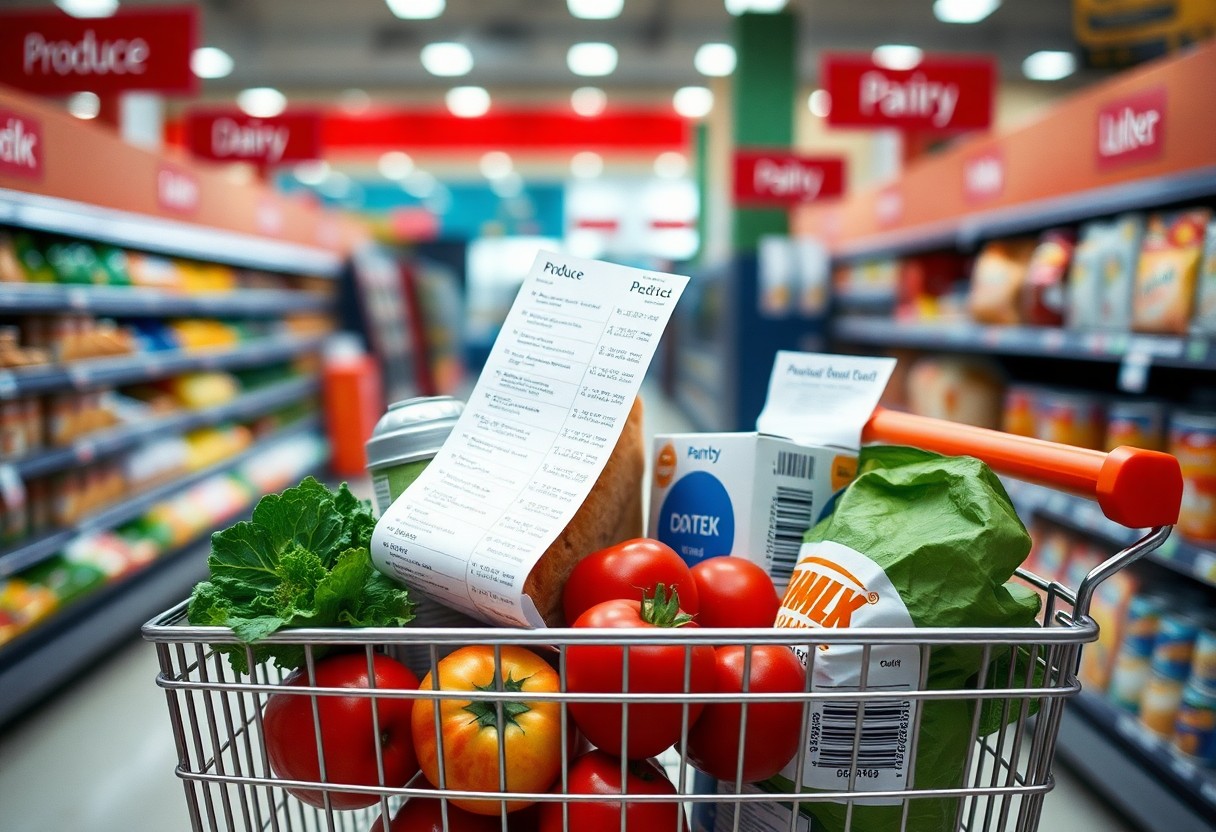
Pros and Cons of Grocery Shopping
Grocery shopping gives you direct control over what goes into your meals, letting you prioritize fresh produce, dietary needs, and cost. You can spend anywhere from $200-$800 per month depending on household size and choices, but beware: unplanned trips often lead to impulse purchases and food waste, which drive costs up and increase spoilage risk.
| Pros | Cons |
|---|---|
| Better price control through sales and bulk buys | Time-consuming planning and shopping trips |
| Choose higher-quality, fresher ingredients | Impulse purchases inflate the bill |
| Manage nutrition and portion sizes | Perishable items risk spoilage and waste |
| Access to specialty and dietary items | Limited options in small or remote stores |
| Opportunity to cook cheaper meals at home | Carrying and storage can be physically demanding |
| Use loyalty programs and coupons to save | Price volatility and seasonal swings affect budgets |
| Control over ingredient sourcing (organic, local) | Requires storage space and proper food safety |
| Plan meals to reduce long-term food costs | Time pressure can lead to poor choices |
Benefits of Buying Groceries
You gain clear control over your food budget and nutrition when you shop smart: buying staples in bulk and cooking at home can cut per-meal costs by roughly 50-70% compared with dining out, while letting you prioritize whole foods, allergens, or organic options tailored to your needs.
Drawbacks and Challenges
You face practical hurdles like time spent planning and shopping, plus the risk that perishable purchases become food waste if not stored or used promptly; small households often struggle with cost-efficiency and spoilage when buying larger packs.
For example, without a meal plan you may discard 20-30% of fresh produce, and mishandling refrigerated items raises food-safety risks-raw poultry left above 40°F for over 2 hours can become unsafe. You also contend with price fluctuations and limited local availability for specialty items, so effective meal planning, proper storage (FIFO rotation), and using sales can reduce both cost and waste.
Final Words
From above, you can see how groceries span fresh, pantry, frozen, and household items, and how shopping habits shape your lists and budgets; use the practical checklist at 30 Items that Should Be On Everyone’s Basic Grocery List … to streamline choices, plan meals, and reduce waste so you shop with purpose and save time and money.
FAQ
Q: What exactly are groceries and which items are typically included?
A: Groceries are the food and household supplies purchased for everyday consumption and home use. Typical grocery items include fresh produce (fruits and vegetables), dairy (milk, cheese, yogurt), proteins (meat, poultry, fish, eggs), bakery goods (bread, pastries), deli and prepared foods, frozen meals and ingredients, canned and jarred foods, dry goods and pantry staples (rice, pasta, grains, flour, sugar), snacks and confectionery, beverages (water, juice, coffee, tea, soft drinks), condiments and sauces, baking and cooking ingredients, baby foods and formula, pet food, and non-food household items commonly sold in grocery stores such as cleaning products, paper goods, and basic personal care items. The exact mix depends on household needs, cultural cuisine, and store format (supermarket, convenience store, specialty market).
Q: How are groceries categorized for shopping and storage, and why does that matter?
A: Groceries are commonly organized into categories that guide buying and storage: perishables (fresh produce, meat, dairy) need refrigeration and quicker use; frozen goods require freezer storage; shelf-stable items (canned, dry goods) can sit in a pantry; ready-to-eat and prepared foods are for immediate consumption; bulk or family-size items are for longer-term use; specialty or dietary items (organic, gluten-free) cater to specific needs. Categorization matters because it informs how to store items safely (e.g., fridge vs pantry), plan purchases to avoid spoilage, and manage inventory at home. Good practices include using first-in-first-out (FIFO) for pantry items, noting expiration dates, separating raw proteins from ready-to-eat foods, and keeping fridge temperatures at safe ranges to extend freshness.
Q: What common shopping habits and strategies help people manage grocery shopping efficiently?
A: Effective grocery habits include planning meals for the week, checking your pantry and fridge before making a list, grouping items by store section to reduce time in-store, and prioritizing perishable items early in the trip. Budget strategies include comparing unit prices, buying seasonal produce, taking advantage of loyalty programs or digital coupons, and buying certain staples in bulk if storage and usage justify it. Shopping frequency varies-some prefer weekly full shops, others top up midweek-choose what fits your meal plan and storage capacity. Consider online ordering, pickup, or delivery to save time and reduce impulse buys. For sustainability and food waste reduction, use reusable bags, plan portions, freeze extras, and compost food scraps. Maintain basic food-safety habits while shopping and at home: keep raw meats separate, avoid temperature abuse with frozen/refrigerated items, and use leftovers within safe timeframes.